The president promised oil would resume flowing through the Strait of Hormuz, though U.S. and Iranian officials differed on the initial agreement’s terms.
Read more Alphonso Davies still limited in practice as Canada prepares to face Qatar at the World Cup
President Donald Trump said Monday that the Strait of Hormuz will fully reopen to shipping traffic by Friday, the day that senior U.S. and Iranian officials plan to meet in Geneva for a ceremony to mark an end to the four-month war and kick off weeks of negotiations about Iran’s nuclear program.
The president celebrated a deal that he said would eventually return oil prices to prewar levels, and said markets were “shooting up like a rocket” in reaction to the decision to end the war.
But core elements of an enduring agreement remained unresolved and subject to talks over the next two months, officials said, with the substance of Iran’s nuclear ambitions punted to future negotiations to speed the reopening of the shipping bottleneck.
Trump, Vice President JD Vance and Iranian parliamentary speaker Mohammad Bagher Ghalibaf virtually signed the preliminary deal Sunday, ahead of a Friday ceremony to be held in Geneva, U.S. officials familiar with the process said, speaking on the condition of anonymity to describe sensitive diplomacy.
But one of the people familiar with the details of the negotiations warned that it would be weeks before shipping traffic returns to normal through the strait as ships test whether passage is safe.
The discordant messages speak to the challenge Trump faces in selling a deal that falls far short of the regime change that he initially embraced.
It is also unclear whether Iran has made any commitments about curtailing its ballistic missile program, an issue on which Iran hawks have long focused. Critics of the deal that President Barack Obama made with Iran to restrict its nuclear program long complained that Tehran’s missile production continued unfettered.
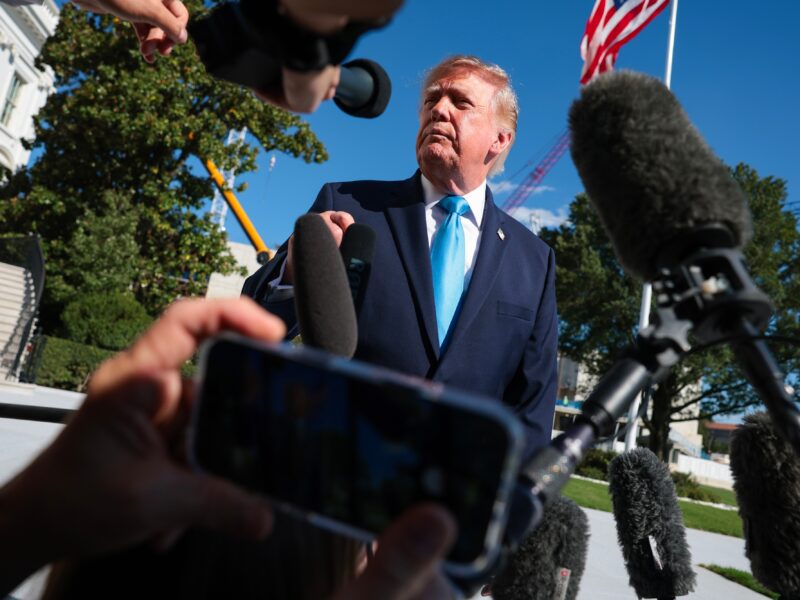
“The main thing is that Iran will not have a nuclear weapon. They fully agreed to that, with strong policing powers,” Trump said Monday in Évian-les-Bains, France, speaking alongside French President Emmanuel Macron ahead of a summit with world leaders.
“The Iran deal that we made is going to bring a lot of, a lot of success to the world, because the oil was really blocked up there for a while,” Trump said, adding that by Friday, the Strait of Hormuz would be “completely open.” The critical waterway saw the transit of 20 percent of global energy supplies before the war.
His optimistic assessment contrasted with that of senior U.S. officials familiar with the negotiations. They cautioned that ships may have “different risk tolerances” about chancing the passage through the strait, where minesweepers are expected to begin work on removing explosives that Iranian forces have laid since March.
“We probably won’t return to normal in two weeks, but we will see a significant increase in strait traffic,” a senior U.S. official said, briefing reporters on the condition of anonymity under ground rules set by the Trump administration.
A spokesman for Iran’s foreign ministry, Esmaeil Baqaei, said Monday that Iran intended to keep charging fees for passage through the strait that would cover navigation services, environmental protection and ship insurance.
Trump’s war on Iran and this week’s tentative peace agreement will be central to talks in Évian-les-Bains, a French resort town on the shores of Lake Geneva where select world leaders are gathering this week. Trump arrived there Monday afternoon and was set to speak to a sweep of European and Persian Gulf leaders over the next two days.
Leaders of the Group of Seven world economies have been hit hard by the spike in energy prices set off by the Iran war, and Trump has blasted allies and partners for what he has said is insufficient support for his military effort.
The details of the deal have not yet been published, leaving American and Iranian officials to spin their own versions of the agreement.
Trump on Monday trumpeted the memorandum of understanding as a major step toward keeping Iran from developing a nuclear weapon and declared a swift resumption of Strait of Hormuz shipping traffic, whose halt has driven up energy prices around the world.
While both countries agreed that a memorandum had been signed, their public statements offered conflicting visions about what was in the document.
A senior U.S. administration official said that the current deployment of U.S. forces in the region would remain during the 60 days of negotiations. “The agreement contemplates a reduction of forces in the region with completion of the final deal,” the official said.
A statement issued by Iran’s Supreme National Security Council said only that as of Monday, “the [U.S.] naval blockade against Iran is terminated immediately and completely.”
A number of issues that Iran has previously listed among its red lines were not addressed in the administration briefing or in Trump’s comments. Tehran has said it has the right to continue uranium enrichment for civilian use, something that the Trump administration has said is a nonstarter.
Iranian officials also suggested Sunday that they would receive billions of dollars worth of previously frozen assets as part of the deal’s signing, something that U.S. officials denied. The Iranians, whose remarks were widely quoted on government-aligned media, offered no window into the commitments they may have made about their nuclear program.
Read more California Gov. Gavin Newsom says DOJ is investigating him and his wife
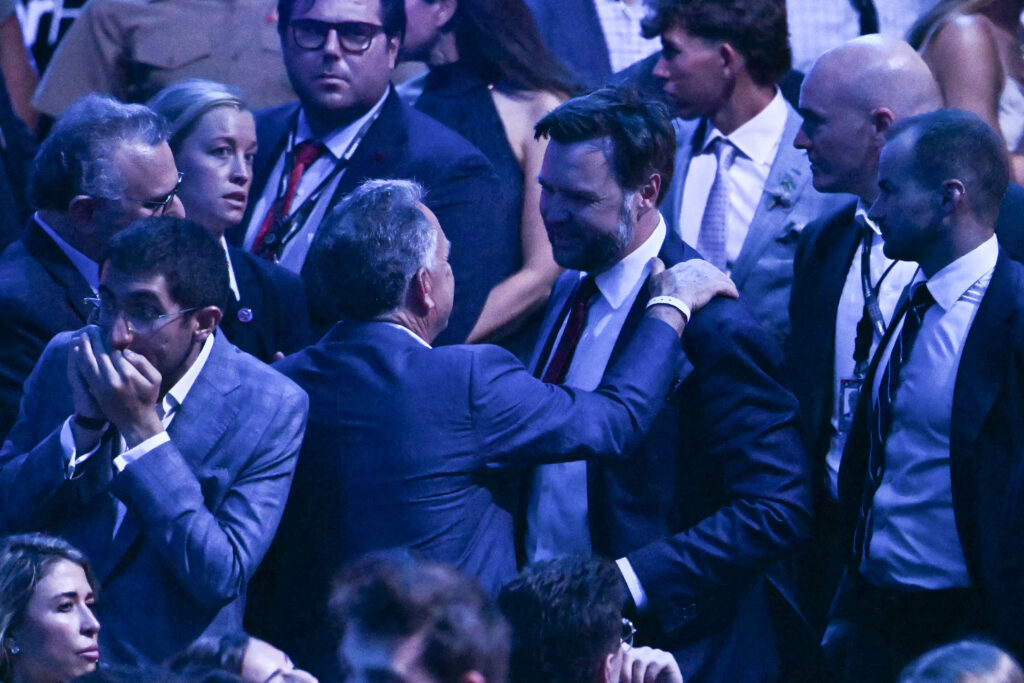
But Vance expressed openness to Iran’s access to $300 billion in reconstruction funds provided by Persian Gulf nations, if it agrees to modify its behavior — a payout that is likely to inflame skeptics of the regime.
“That’s the sort of thing they could have access to, funded by the Gulf coast coalition, so long as they honor their end of the obligation,” Vance told CBS News on Monday.
“I am somewhat concerned that Iran’s view of the agreement seems different than what the American negotiating team is claiming,” Sen. Lindsey Graham (R-South Carolina) wrote on X on Sunday.
U.S. officials said the text of the memorandum would be released within the next 24 to 48 hours, although both Iran and Trump said the release would come only after the official signing ceremony Friday in Geneva.
In his regular Monday news conference, Baqaei, the Iranian Foreign Ministry spokesman, said that the right to enrich nuclear fuel and the existing stockpile of highly enriched uranium would be discussed during the later “technical talks.”
While the fate of the stockpile will be decided in the later talks, Iran has indicated that it is willing to down-blend the highly enriched material inside Iranian territory, according to a Pakistani official who was briefed on the talks that were mediated by Islamabad and who spoke on the condition of anonymity.
Trump has said that the U.S. will help uncover the buried nuclear fuel and then will remove it from Iran. But the Pakistani official said that removal of the stockpile is open for discussion in later negotiations and stressed that “we are talking about the possibility of talks on this, not that Iran is ready on transfer of uranium.”
There was no mention from either side of Iran’s ballistic missile capabilities, which U.S. intelligence has said emerged from the war largely intact, despite some damage.
Secretary of State Marco Rubio has pointed to the destruction of the missile program, which he said was designed to protect development of a nuclear weapon, as a key U.S. goal.
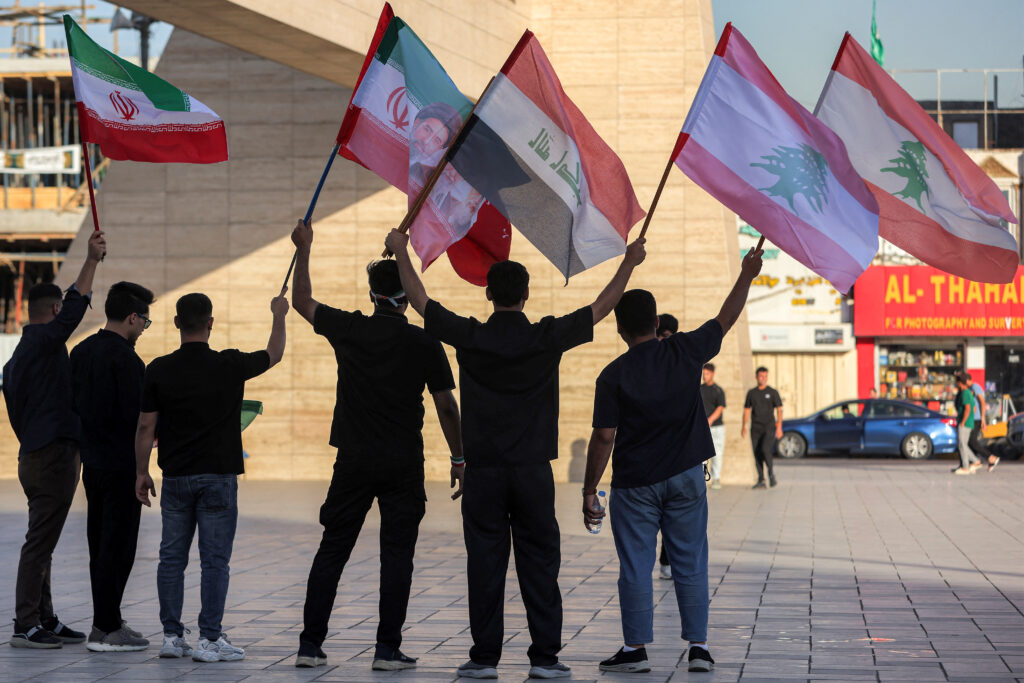
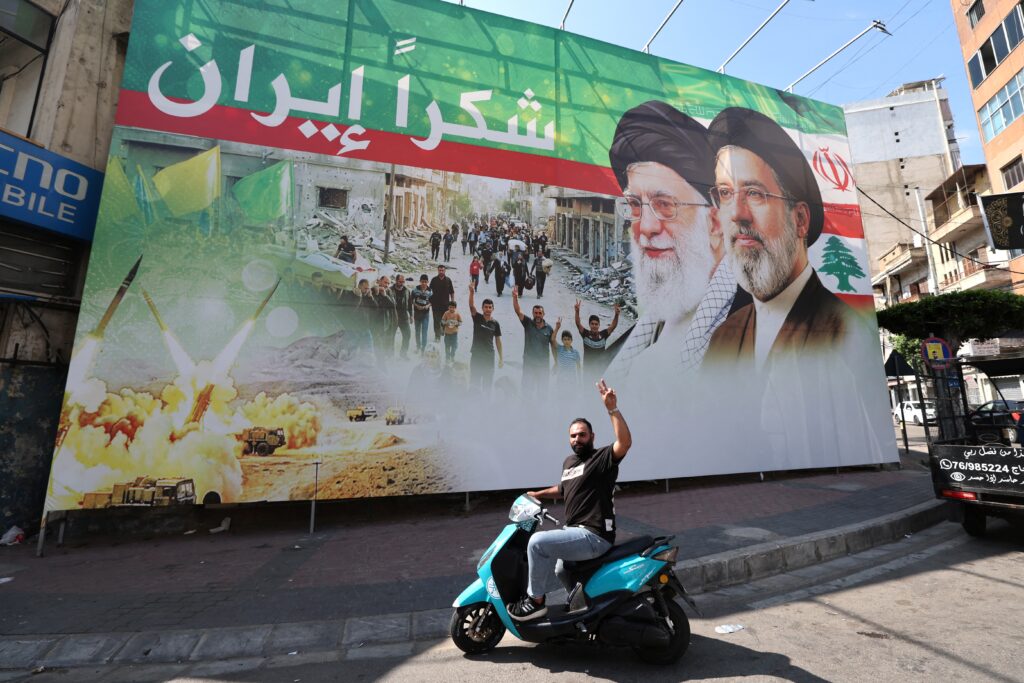
Numerous Iranian officials, meanwhile, emphasized that the deal includes the end of Israeli attacks on Lebanon.
“Under the agreements reached, the war and military operations on all fronts, including Lebanon, are ended immediately and permanently,” said Kazem Gharibabadi, deputy foreign minister for legal and international affairs.
Gharibabadi said that “threats … by Iran” to attack Israel following Sunday attacks on Beirut’s southern suburbs had delayed the signing of the text until the U.S. made assurances on that front. “We did not agree to the MOU until we had incorporated every last point and demand into the text,” he said. “Negotiations continued until one hour before the announcement.”
Baqaei said that “termination of the war in Lebanon” was “an inseparable part of the understanding” and that “the word ‘Lebanon’ is used three times” in the document.
Israel has said it will continue its “self-defense” attacks against Hezbollah in Lebanon, and U.S. officials emphasized that the deal did not include Israeli withdrawal from its occupation of southern Lebanon. In a statement, Iranian President Masoud Pezeshkian said that Israeli unhappiness over the deal “is clear evidence of the success and victory of the Iranian nation.”
In its own statement, Hezbollah said that the U.S.-Iran agreement was a “prelude” to its efforts to completely “liberate” Lebanese territory.
Israeli Prime Minister Benjamin Netanyahu offered tempered comments about the deal Monday, telling reporters that Israel will do “whatever is necessary” to prevent Iran from having a nuclear weapon.
The deal has come under withering criticism in Israel by Netanyahu’s supporters as well as his opponents, many of whom fear it is too soft on Iran.
“This agreement was made by Trump, and he thinks he can combine the opening of the straits with the cancellation of the nuclear program. This is his decision. He is leading it. I expressed my opinion,” Netanyahu said at a news conference.
It was unclear what the agreement says about Iran’s support for proxies across the Middle East, such as Hezbollah in Lebanon and Hamas in Gaza. A senior U.S. official said that the Trump administration wants to cut Iran’s pathways to “funding terrorism, causing regional instability.”
While U.S. officials did not indicate when the 60-day negotiating period will start, Iran’s supreme council said those talks would not begin until “after the implementation of the other party’s commitments under the memorandum of understanding.”
Susannah George in Washington, Shaiq Hussain in Islamabad and Lior Soroka in Tel Aviv contributed to this report.