The United States and Iran have signed an initial peace deal that is expected to open the Strait of Hormuz and waive U.S. sanctions on Iranian oil but reserve some of the toughest negotiations, including on Tehran’s nuclear capabilities, for a 60-day period ahead.
Read more Are we back where we started on Iran?
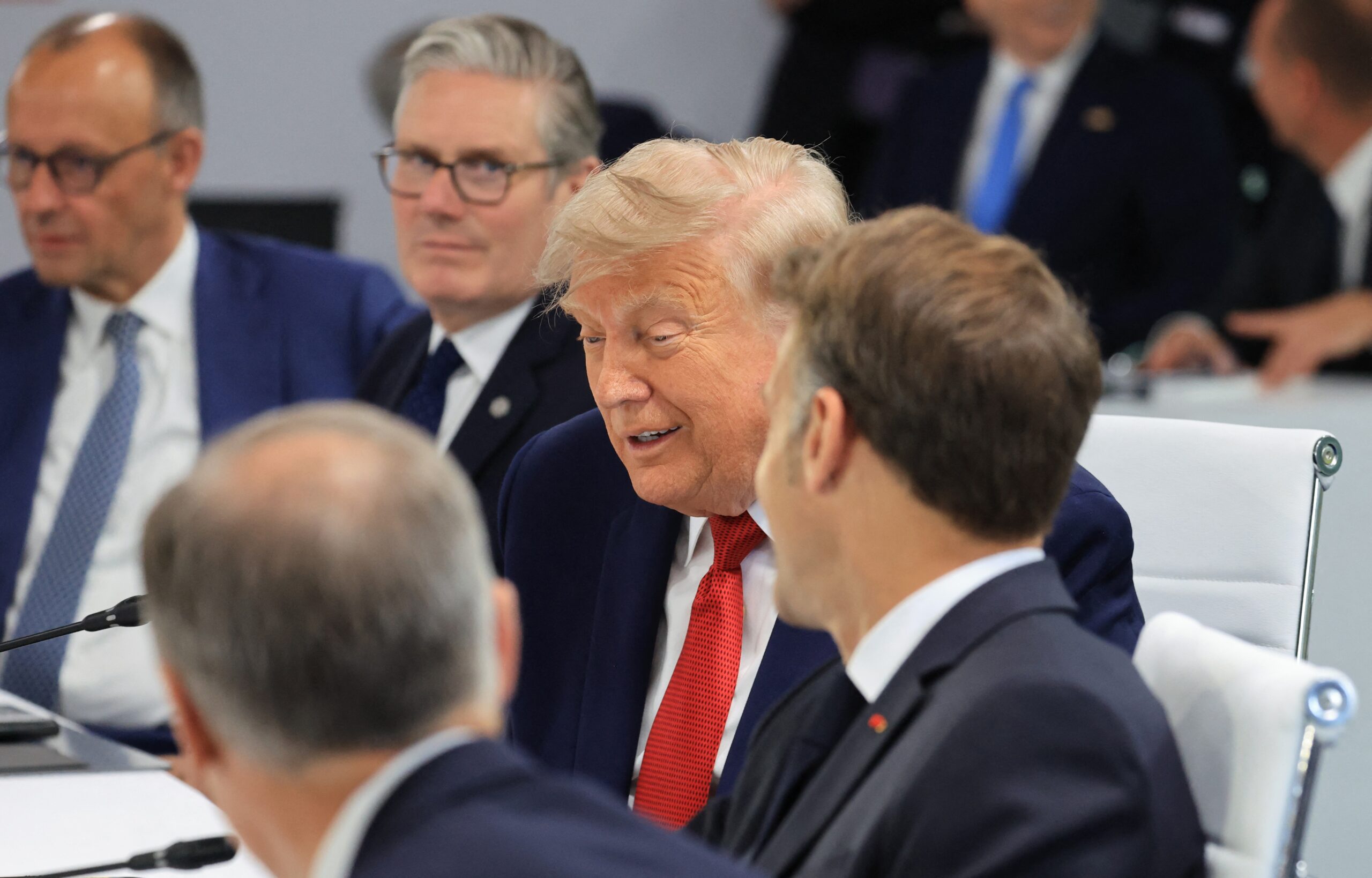
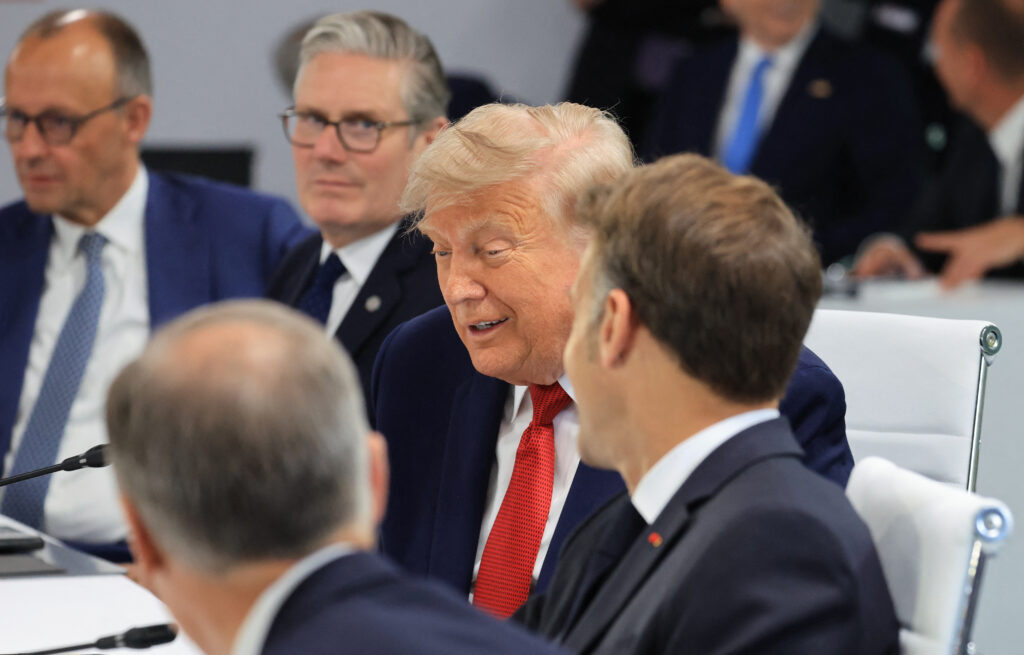
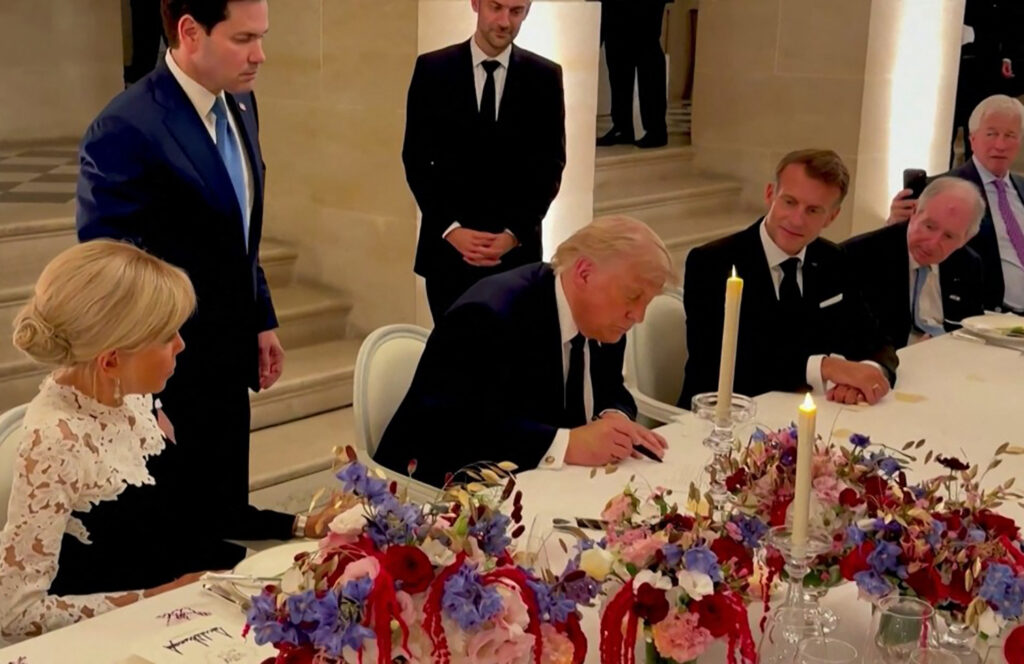
President Donald Trump signed the memorandum of understanding during a dinner at the Palace of Versailles on Wednesday night, capping off the Group of Seven summit in France, seated between French President Emmanuel Macron and his wife, Brigitte, with Secretary of State Marco Rubio standing behind him.
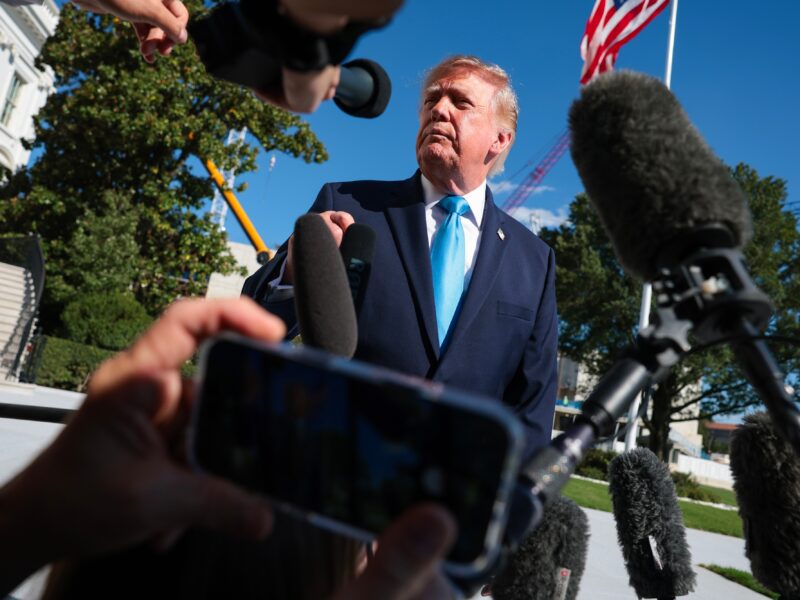
“It’s signed,” Trump told reporters outside the venue early Thursday local time. “Just signed it.”
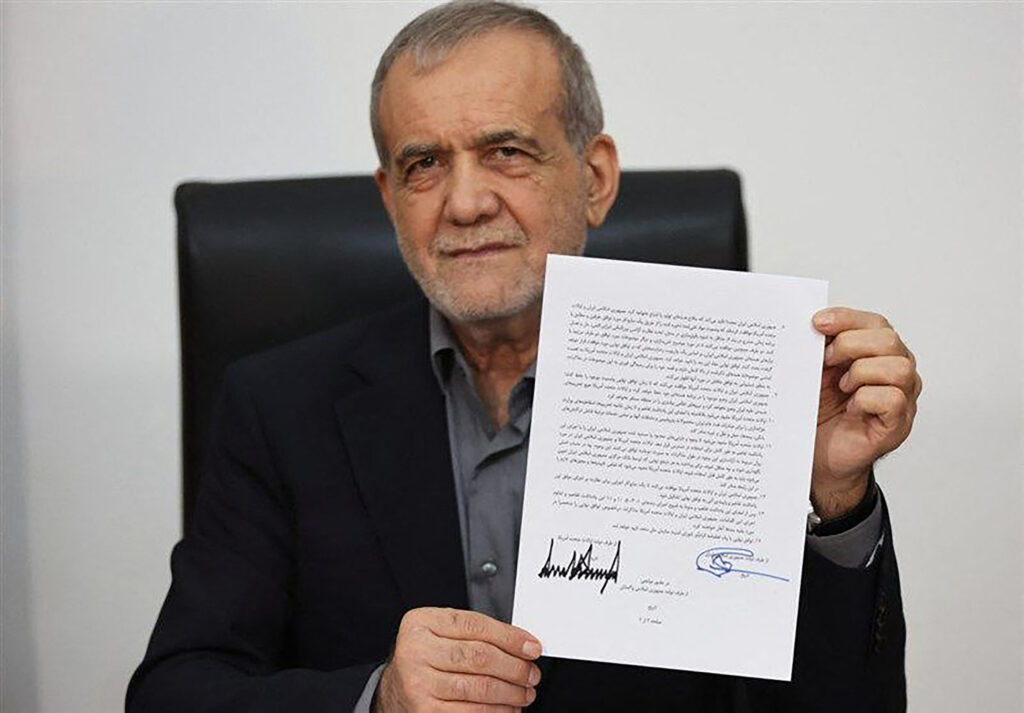
Iranian President Masoud Pezeshkian also signed the agreement, known as the Islamabad Memorandum of Understanding, in the early hours of Thursday, Iran’s state media reported.
The signing of the 14-point memorandum comes after nearly four months of war that has depleted U.S. munitions stockpiles, crippled shipping through the Strait of Hormuz, sent energy prices soaring and proved deeply unpopular in the U.S.
A ceasefire reached in April came under intense strain this month as back-and-forth strikes flared across the region, while Trump veered between threats of further attacks and efforts to end the war.
The deal has been welcomed by some as an end to regional instability and a move that could reduce inflationary pressure. But the bare-bones agreement has also been widely criticized as an acceptance of the status quo from before the U.S. and Israel launched strikes on Iran on Feb. 28. Key sticking points, including Iran’s nuclear capacity, remain subject to negotiations.
Pakistani Prime Minister Shehbaz Sharif, who helped mediate, said the deal would come into “immediate effect,” with Iran beginning to reopen the Strait of Hormuz and the U.S. lifting its naval blockade.
The signing “demonstrates the commitment of both sides to a diplomatic resolution of the conflict,” Sharif said, thanking authorities in the U.S. and Iran as well as in Qatar, Saudi Arabia, Turkey and Egypt who also worked to broker the deal.
Read more Trump fixates on a new competition with Obama: Their libraries
The agreement was set to be signed in person on Friday by Vice President JD Vance and Iran’s Parliament Speaker Mohammad Bagher Ghalibaf in Switzerland, though it was unclear whether that would still take place.
Trump defended the agreement during a 70-minute news conference Wednesday, touting the economic benefits while acknowledging disagreement among advisers over Iran’s ballistic missile program, which isn’t specifically addressed in the initial deal. He also criticized Israel for its actions in Lebanon, where it is fighting Iranian-backed Hezbollah militants, saying that the country has a right to defend itself but that it had been too heavy-handed at times. “They could behave better, and frankly, they could do a better job,” Trump said.
The initial deal declares the “immediate and permanent” end to military operations on all fronts, including Lebanon, and paves the way for a “final deal” in the next 60 days, “extendable with mutual consent,” according to the text of the memorandum shared by a senior U.S. official who read it out on the condition of anonymity.
Its terms include opening the Strait of Hormuz, lifting the U.S. blockade, and U.S. and regional partners developing a $300 billion plan for the “reconstruction and economic development” of Iran. The U.S. Treasury would also waive sanctions on Iranian oil exports and the two countries would “refrain from interfering in each other’s internal affairs” — a far cry from the regime change Trump initially embraced.
Shipping industry officials and maritime experts have said that even if the critical strait that carried around 20 percent of the world’s oil and gas supplies before the war began is opened, high energy prices and shortages could persist for months.
The strait remains studded with mines Iran has laid since the start of the war, and it could take weeks to clear hundreds of stranded vessels. Shipping firms are also concerned about putting vessels and crew at risk of attack, should the peace deal fracture.
Early Thursday, Trump said in a post on Truth Social that critics “who think I haven’t been tough enough on Iran” are “jealous, bad people, or stupid” because oil prices are now falling.
The price of Brent crude, the international benchmark, dropped to $77 per barrel on Thursday, a long way from the four-year-high of $126 per barrel reached in late April but higher than the $69 a barrel before the war began.