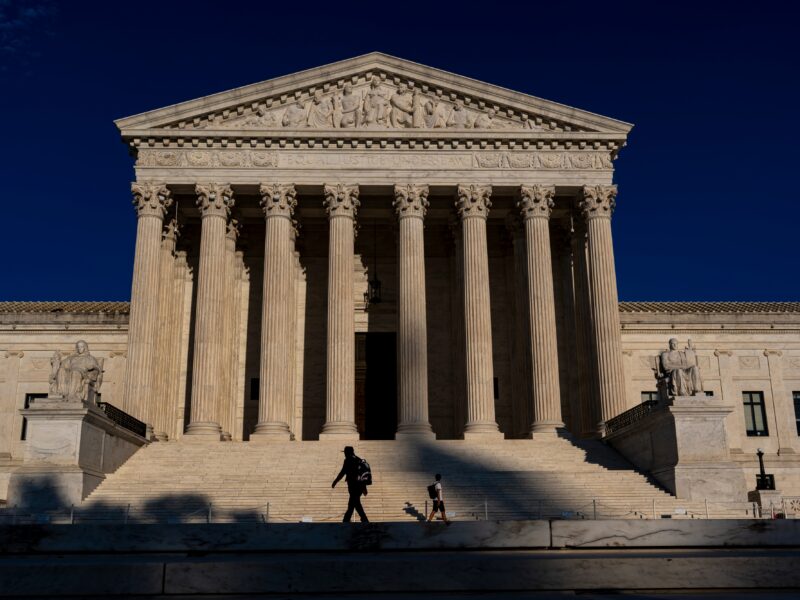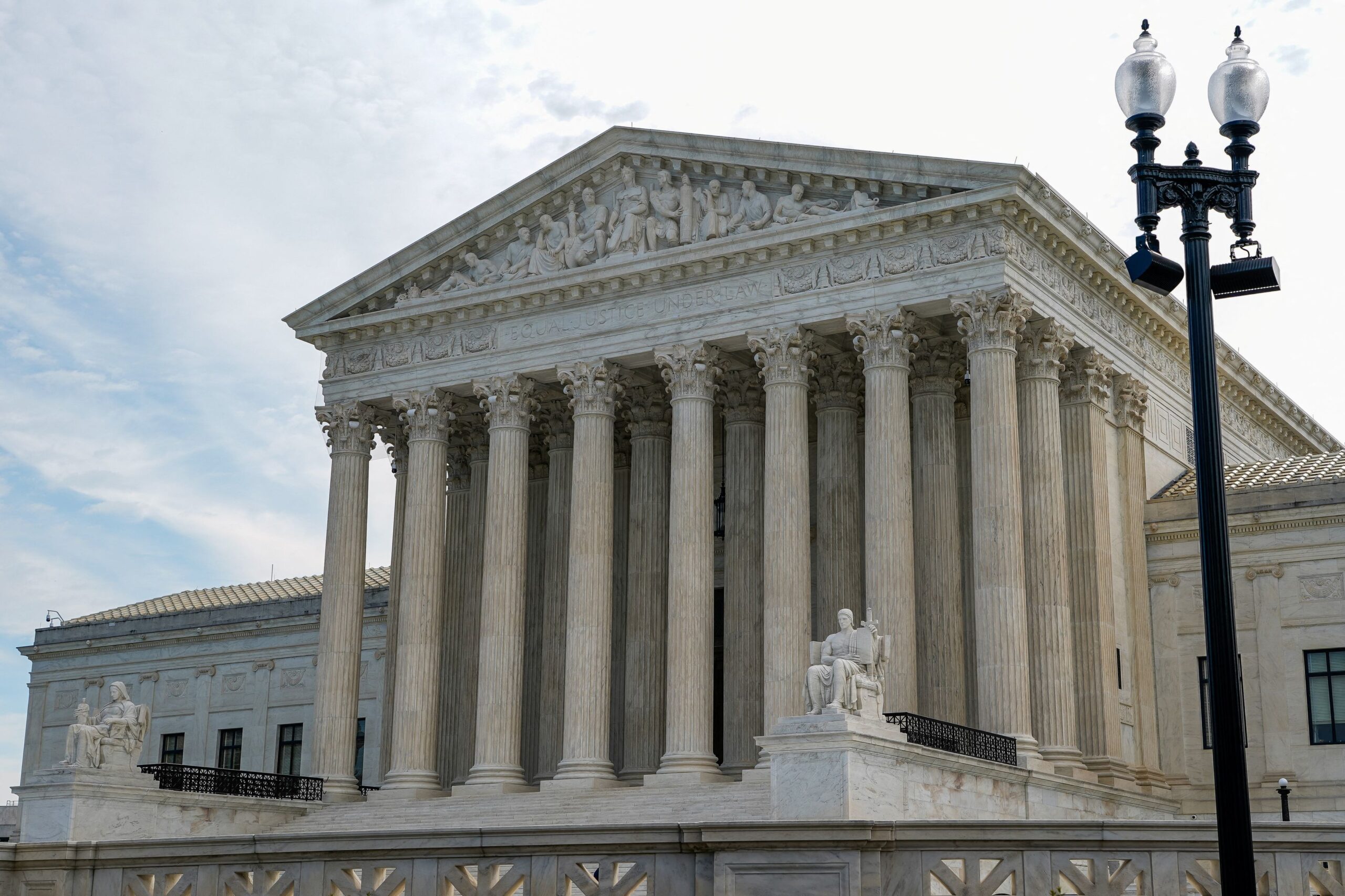
The Supreme Court on Thursday struck down a Hawaii law that sharply restricts where people can carry guns in public, the latest ruling by the high court in recent years rolling back firearm restrictions.
Read more Rubio’s new job? Selling Trump’s Iran deal to a worried Gulf.
In an ideologically split 6-3 ruling, the justices found a statute that requires gun owners to get consent to carry a firearm onto private property open to the public violates the Second Amendment right to bear arms.
The decision could open the door to challenges to similar laws in New York, New Jersey, California and Maryland that were enacted after a major 2022 ruling by the high court expanded the right to carry guns outside the home.
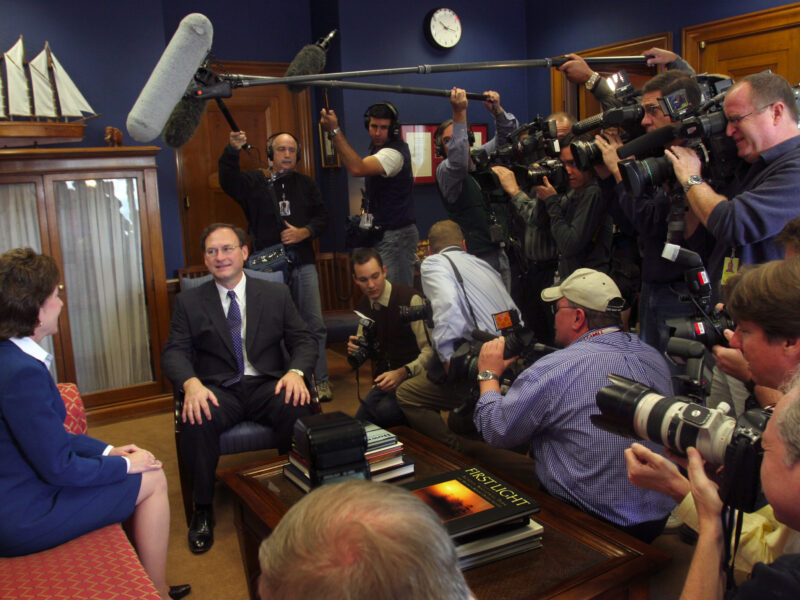
Justice Samuel A. Alito Jr., who wrote the opinion for the conservative majority, said Hawaii’s law was an attempt to circumvent that 2022 decision New York State Rifle & Pistol Association v. Bruen.
“This regime hobbles what the Second Amendment protects: the right of Americans to carry arms for self-defense as they go about their daily lives. We hold that the law is unconstitutional,” Alito wrote.
The ruling came over the objections of the court’s three liberals. Justices Ketanji Brown Jackson and Sonia Sotomayor joined in one dissenting opinion, while Elena Kagan penned her own.
Kagan wrote that the law was consistent with the nation’s history of regulating firearms, while Jackson and Sotomayor held that the right to dictate what happens on one’s property trumps gun rights.
“There is no constitutional right to enter private property without the owner’s permission, let alone with a firearm,” Jackson wrote.
The Hawaii law, which was passed in 2023, made it a crime to carry a gun onto private property open to the public unless the owner provided written or verbal authorization or posted signs explicitly allowing it.
The law also bans the carrying of firearms in 15 sensitive locations, including bars, parks, restaurants that serve alcohol and youth centers. That provision was not at issue in the current Supreme Court case.
Hawaii and other Democratically controlled states were responding to the Supreme Court’s landmark Bruen decision that found people have a right to carry a handgun outside of the house for self-defense.
The conservative majority also held in Bruen that any gun restrictions must have a precedent rooted in American history. The decision has led to a flood of challenges against firearm restrictions and relaxed regulations regarding high-capacity magazines, age limits for firearms purchases and more.
Gun-rights advocates said the Hawaii law was an effort to circumvent the Bruen decision, but advocates of such restrictions worry that invalidating the Hawaii law will lead to the proliferation of firearms in public places.
Shortly after Hawaii passed its law, gun owners with concealed-carry permits and the Hawaii Firearms Coalition challenged the statute in federal court, arguing it illegally constrained their rights.
Read more RFK Jr. urged Iowa candidate to make deal to help GOP win House seat, per audio recording
A federal judge issued a preliminary injunction blocking Hawaii’s law in 2023, but an appeals court panel for the 9th Circuit overturned part of that ruling last year. The ruling created a split among appeals courts because a 2nd Circuit panel struck down a similar New York law.
The Trump administration supported the gun owners, calling the Hawaii law “blatantly unconstitutional.” The solicitor general’s office took the unusual step of urging the Supreme Court to take up the case without an invitation from the justices to take a position.
Alan A. Beck, an attorney for the gun owners and gun-rights group, told the justices during arguments in January that Hawaii’s law amounted to a de facto firearms ban because it would effectively block public carry in large swaths of the state.
“There’s a clear body of evidence this law was passed to undermine Bruen and the Second Amendment,” Beck said.
Neal Katyal, an attorney for Hawaii, countered that the state’s law had precedent in anti-poaching laws and — controversially during arguments — a Louisiana “Black Code” statute aimed at preventing African Americans from possessing firearms.
“There is no constitutional right that every invitation to enter property is a right to bear arms,” said Katyal, who served as acting U.S. solicitor general under President Barack Obama.
Hawaii has a long history of strict gun restrictions, dating from its time as a kingdom before it became part of the United States. One survey found 78 percent of Hawaii residents and 64 percent of Hawaii gun owners said loaded, concealed firearms should not be allowed in businesses.
The case is not the only one dealing with gun regulation this term. Last week, the justices sided with a Texas man who argued he could not be prosecuted under a federal law that prohibits regular users of controlled substances, such as marijuana, from possessing firearms.
Hunter Biden, the son of former president Joe Biden, was convicted of violating the law in 2024. Joe Biden later pardoned his son.
The Trump administration asked the high court to uphold that ban in a departure from its general pro-Second Amendment stance.
In other gun-related cases in recent terms, the Supreme Court overturned a ban on bump stocks — devices that allow semiautomatic weapons to fire hundreds of rounds a minute.
The justices upheld Biden-era restrictions on ghost guns in a major case last term and a ban on those with domestic violence restraining orders from possessing firearms.
Read more Supreme Court lets Trump end temporary protections for Haitian, Syrian migrants
The case is Wolford v. Lopez.