The move comes a month after another judge allowed Trump’s order to stand. The latest ruling sidelines major aspects of the order despite the earlier decision.
Read more Supreme Court strikes down Hawaii limits on carrying guns in public
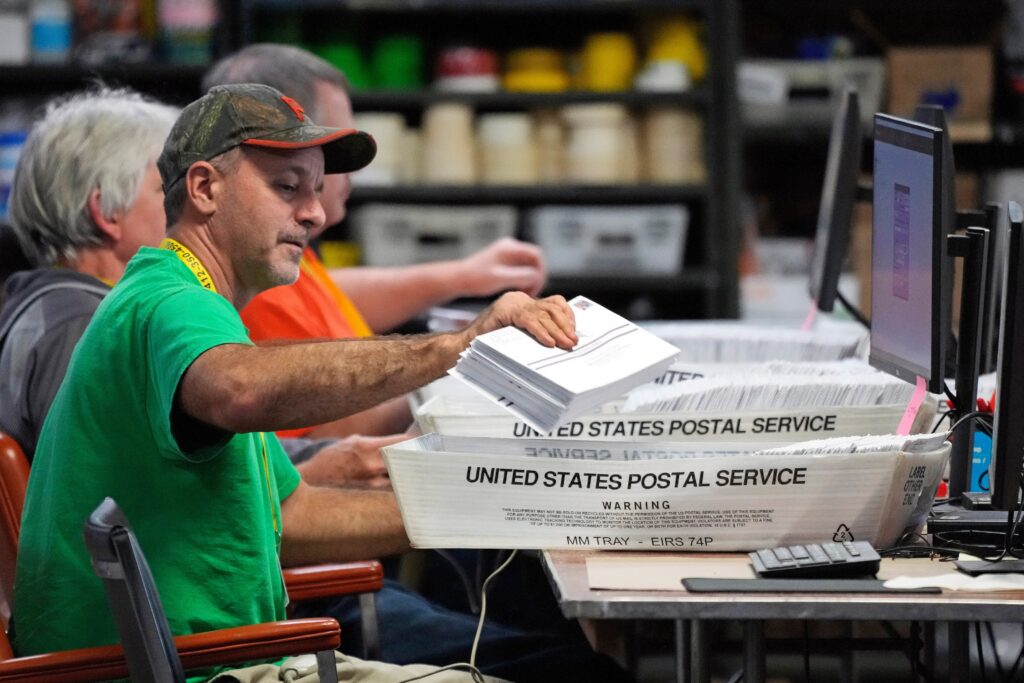
A federal judge Thursday blocked key portions of an executive order from President Donald Trump that sought to limit who can receive mail ballots, delivering a setback to the president as he tries to rewrite voting rules in a difficult political environment.
The ruling came a month after a different federal judge allowed Trump’s executive order to stand. The latest ruling sidelines major provisions of the executive order despite the earlier ruling.
In March, Trump signed the order, which directed the Department of Homeland Security to create lists of citizens and the U.S. Postal Service to compile lists of voters who are eligible to receive ballots by mail. States led by Democrats and others sued, saying the president doesn’t have the power to restrict who can receive ballots.
Judge Indira Talwani of the U.S. District Court for the District of Massachusetts agreed with Democratic state attorneys general and blocked parts of the order. The Constitution gives states and Congress — not the president — authority to oversee elections, she noted.
“The States alone determine voter-eligibility requirements, subject only to the outer limits of the Constitution,” wrote Talwani, who was appointed to the bench by President Barack Obama.
The case is at an early stage and will continue, as will parallel litigation in federal court in Washington. Talwani’s order prevents parts of the order from being implemented ahead of this fall’s midterm elections.
Trump is confident that his executive order will eventually be implemented, White House spokeswoman Abigail Jackson said.
“President Trump is committed to ensuring that Americans have full confidence in the administration of our elections,” Jackson said in a statement.
Read more Rubio’s new job? Selling Trump’s Iran deal to a worried Gulf.
Trump has spent years railing against his 2020 reelection loss and falsely alleging the election was stolen from him. He has blamed mail voting — a method he has used himself — and greatly exaggerated the frequency of voting by noncitizens. Independent reviews have found that voting by noncitizens happens infrequently.
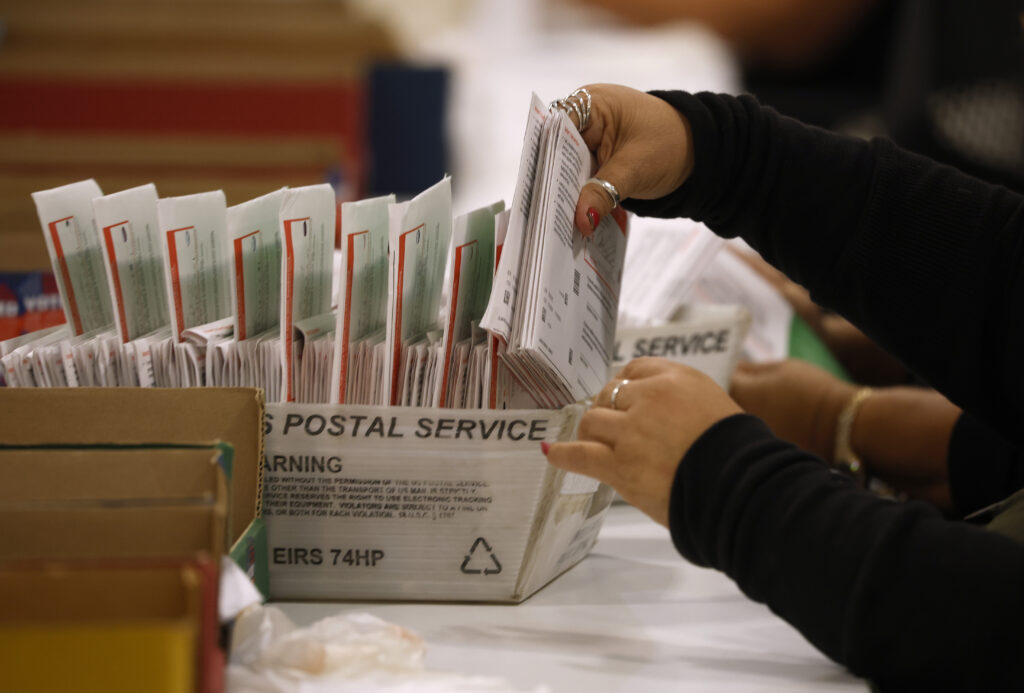
Trump’s executive order directs the Postal Service to assemble lists of voters who can receive mail ballots and to refrain from sending mail ballots to people who do not appear on the lists. Trump’s order also tells the Department of Homeland Security to compile lists of people who are 18 or older and “confirmed to be United States citizens,” and allows states to voluntarily provide lists of voters to the Postal Service. The order does not explain how the lists would be used together, but critics fear they would be riddled with errors and prevent eligible voters from getting ballots.
Talwani agreed, finding that federal agencies “lack the ability to create complete and accurate lists of the U.S. citizens residing in every State.”
The order is also being challenged by the Democratic National Committee and voting rights groups. The judge hearing that case gave the administration an early win in May when he allowed the order to stand.
In that case, Judge Carl J. Nichols of the U.S. District Court for the District of Columbia declined to issue a preliminary injunction because the administration has not yet developed rules, compiled lists or prevented anyone from receiving ballots. Nichols was appointed to the bench by Trump.
Despite his ruling, much of the order is now partially blocked because of Talwani’s decision.
This year’s order is the second one Trump has issued on elections during his second term. Last year, he signed an order aimed at changing the deadlines for returning mail ballots and requiring people to provide proof of citizenship to register to vote. Judges blocked those portions of the 2025 order.
Read more RFK Jr. urged Iowa candidate to make deal to help GOP win House seat, per audio recording