More fighting could keep gas and grocery prices high.
President Donald Trump says the ceasefire with Iran is effectively over, which means the unpopular war he launched in February could be resurging again.
Read more Former Chicago mayor Rahm Emanuel, in Tel Aviv, sharply criticizes Netanyahu
The months-long ceasefire had always been tenuous. But it had opened the door, briefly, to early peace talks and a restoration of shipping through one of the world’s most important oil corridors.
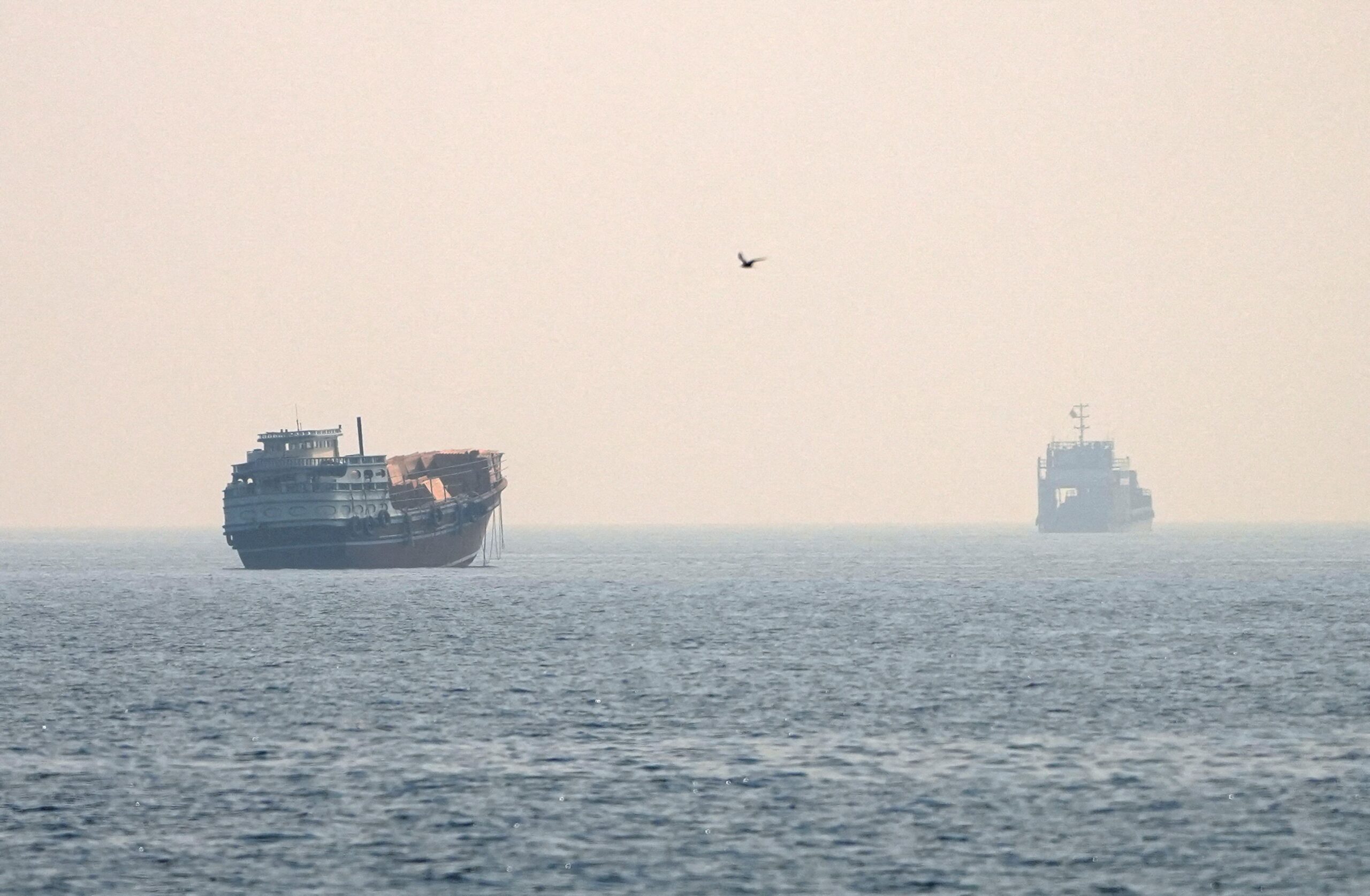
But this week, that appeared to fall apart. Ships were attacked in the Strait of Hormuz, Iran targeted U.S. military bases nearby, and the U.S. bombed Iranian sites in response.
“They’re scum. They’re sick people. They’re led by sick people, and they’re vicious, violent people,” Trump said Wednesday of Iranian leaders. “Far as I’m concerned, it’s just a waste of time dealing with them. They’re liars. … There’s something wrong with them. They’re cuckoo. As far as I’m concerned, it’s over.”
What could more fighting mean for the average American? Here’s what to know.
Maybe not a return to a full-scale war, but rather more tit-for-tat fighting like we’re seeing this week, said Suzanne Maloney, the director of foreign policy at the Brookings Institution, who has advised Republican and Democratic administrations on Iran. “The most likely scenario is an ugly and unstable one,” she said. “No war, but no peace either.”
Trump campaigned against forever wars, and the Iran conflict has been unpopular from the outset as he struggled to explain why the fighting began in the first place. But it might not be all bad for him, said Kimberly Lane Scheppele, who studies the rise and fall of democracies at Princeton University.
She said Trump could try to use the conflict to get what he wants from Congress (which has yet to approve money for the Pentagon) and from world leaders. (Trump was meeting with Europeans and other members of NATO this week, when he declared the ceasefire over. He’s long been frustrated that Europe hasn’t joined in the fighting.)
Read more Ukraine’s Kostyuk extends Wimbledon run as attacks hit Kyiv. She slams IOC decision on Russia
“The military runs in particular families and social groups, which means that most Americans don’t feel the pain of war,” Scheppele said, “but the president gets his world stage and international leverage.”
Gas prices eased last month after the ceasefire raised hopes that shipping through the Strait of Hormuz could recover. But inflation, which was stubborn before the Iran war, didn’t. It’s the highest it’s been in three years, and now gas and food could get more expensive because of the continued fighting. “It slows the descent of the prices at the pump,” said Diane Swonk, chief economist with the tax and accounting firm KPMG. “And it adds a larger tail on inflation.”
That contributes to inequality, Swonk said, because low- and middle-income households have to use more of their paycheck to buy basic goods.
More war could become a major headache for Republicans on the ballot in November. That is especially true if renewed fighting keeps prices elevated into the fall, said Sarah Chamberlain, president of the Republican Main Street Partnership, which supports GOP lawmakers in competitive congressional districts.
She said Republican voters were stomaching higher gas prices for a few months to support Trump, but now the summer driving season is here and there might not be any meaningful relief. “It’s all about the cost of living for voters,” she said. “And if gas and grocery prices come back up, that’s going to be a problem.”
Amber Phillips writes The 5-Minute Fix newsletter, a quick analysis of the day’s biggest political news. Send her an email here, or ask a question that could be featured in an upcoming newsletter.
Read more France coach Deschamps says Olise’s yellow card appeal fails before World Cup matchup with Morocco