The Pulitzer Prize-winning cartoonist skewered presidents from Johnson to Trump, reaching a vast audience through syndication.
Read more Baseball’s All-Stars don’t like MLB’s salary cap proposal but say there’s time to find a deal
When Pat Oliphant assembled his entry for the 1967 Pulitzer Prize for editorial cartooning, he included a dozen cartoons he had drawn for the Denver Post: 11 he was proud of, and one he didn’t think was any good but was targeted to appeal to the jury’s politics.
He won the prize — for the one cartoon he didn’t like, an image of North Vietnamese leader Ho Chi Minh holding a dead body, captioned, “They won’t get us to the conference table … will they?”
Mr. Oliphant was enraged. For years afterward, he condemned the Pulitzers, never again submitting his work for a prize that was awarded, in his view, more on the basis of politics than skill. “It’s a fraudulent award,” he said.
The Pulitzers were just one of many targets for Mr. Oliphant, a self-described “equal-opportunity cartoonist” who took on powerful people, and institutions, with glee.
Across his six-decade career, he was just as likely to go after D.C. Mayor Marion Barry — whom Mr. Oliphant depicted as an Idi Amin-like ruler, the tea-addicted “King of Kolumbia” — as he was President George H.W. Bush, whom he skewered as a purse-carrying wimp and as a would-be Lawrence of Arabia.
“If Pat Oliphant couldn’t draw,” a critic once said, “he’d be an assassin.”
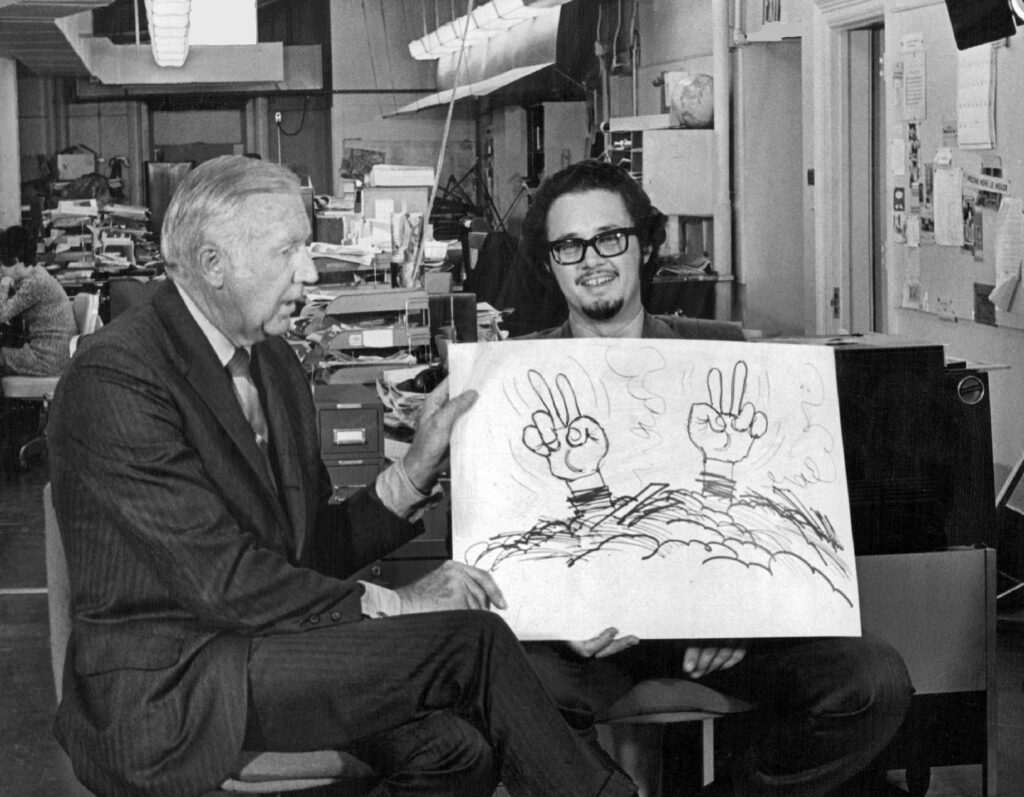
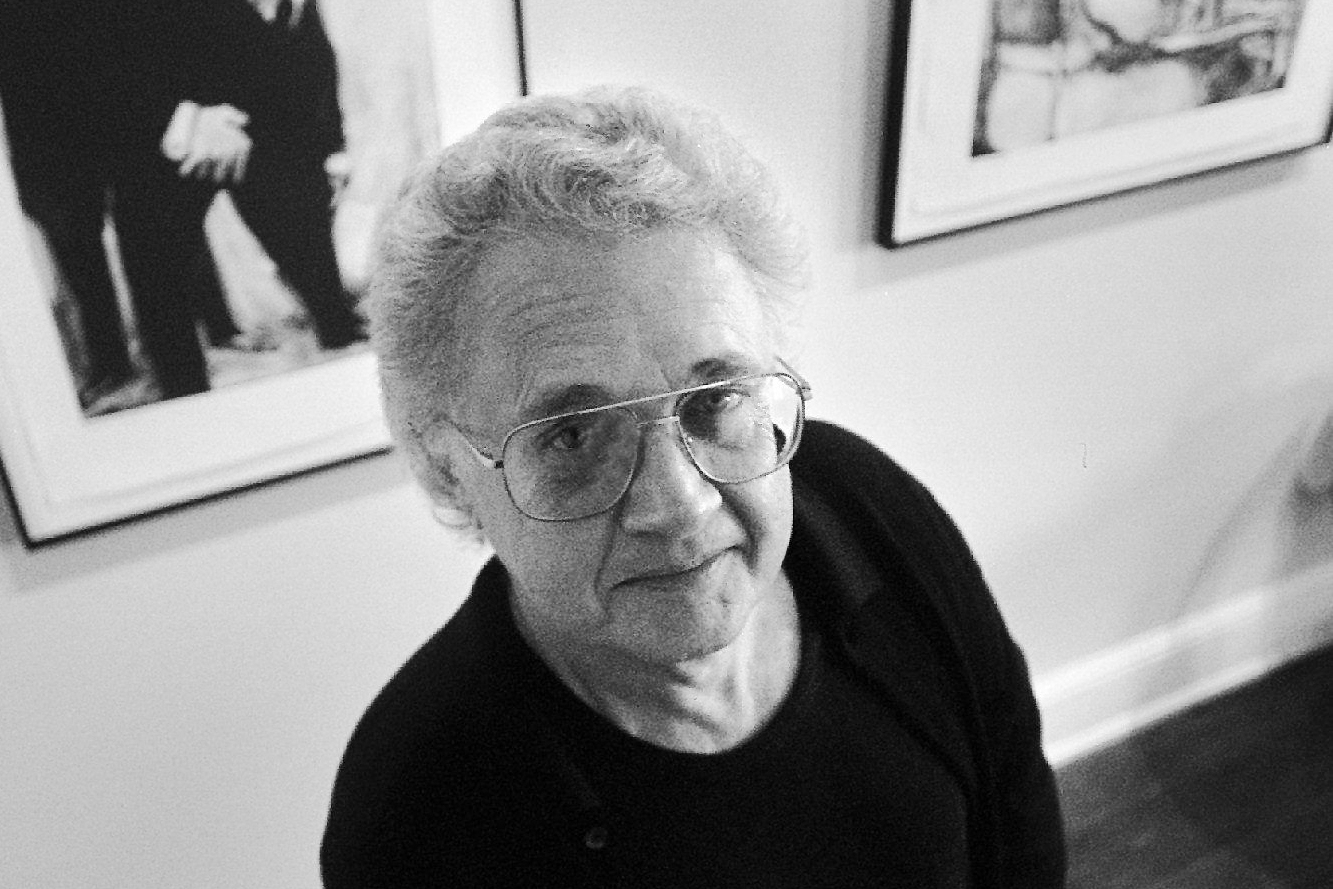
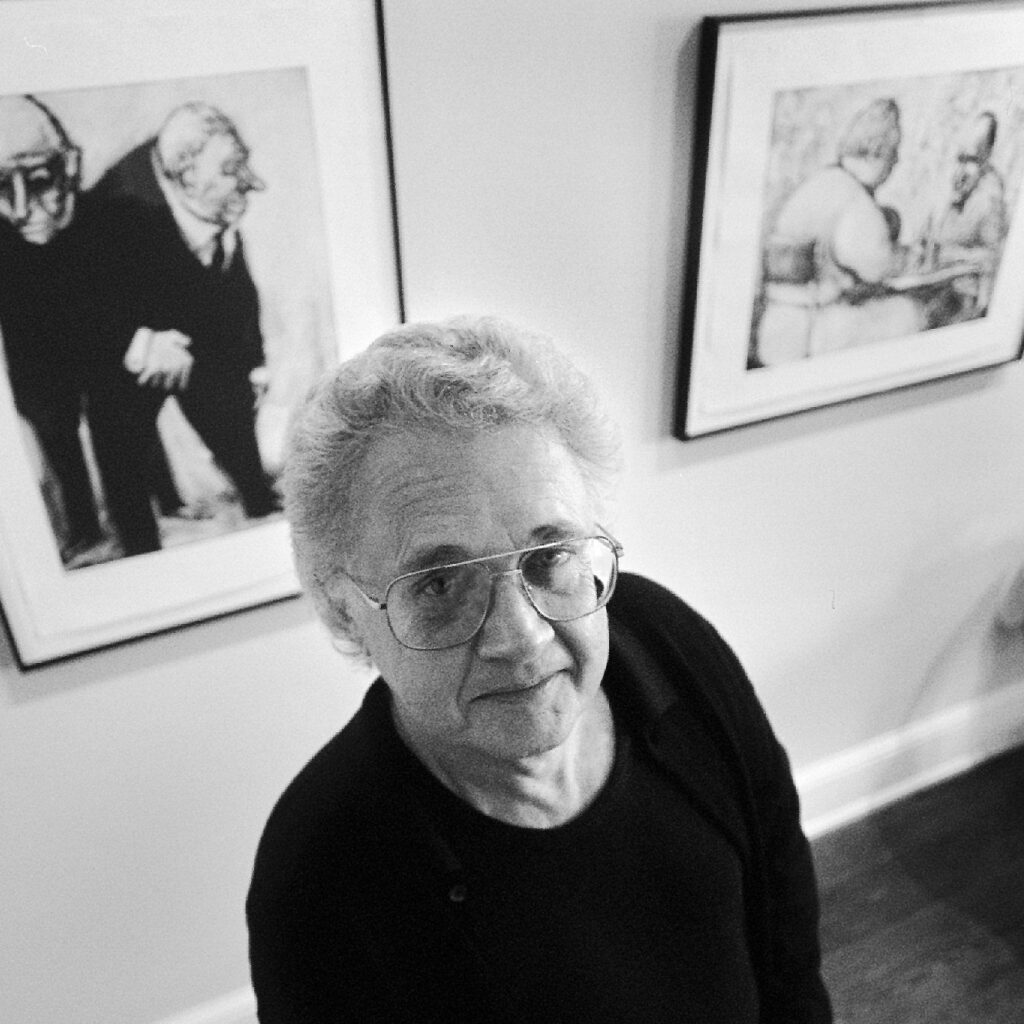
Mr. Oliphant, who helped revolutionize political cartooning in the United States with his slashing humor and sophisticated artistry, died July 13 at his home in Santa Fe, New Mexico, at age 90, according to his son, Grant Oliphant.
By the time he won the Pulitzer, Mr. Oliphant’s comics were reaching an international readership through syndication. His audience only grew after he moved to the Washington Star in 1975 and, six years later, struck out on his own, working independently without being tied to a single paper.
At the height of his popularity, his work appeared in more than 500 newspapers, influencing fellow Pulitzer winners including Tom Toles, Tony Auth, Ann Telnaes and Jeff MacNelly.
“He saw himself as participating in the long tradition of political caricature, going back especially to Delacroix, to Daumier, these major figures of the 19th century,” said Molly Schwartzburg, a Harvard University curator of printing and graphic arts who helped organize a 2020 exhibition of Mr. Oliphant’s work. “His work has a sort of intellectual history that brought an aesthetic seriousness to political cartooning in the 20th century. He’s a trenchant critic of the hypocrisy of politics, and he’s always seeing exactly what the politicians are up to.”
At a time when other political cartoonists were using a vertical or strip format for their work, Mr. Oliphant helped popularize the use of a horizontal panel. He also proved influential in the way he shaded all his cartoons by hand. Twice he was awarded the National Cartoonists Society’s Reuben Award, for cartoonist of the year.
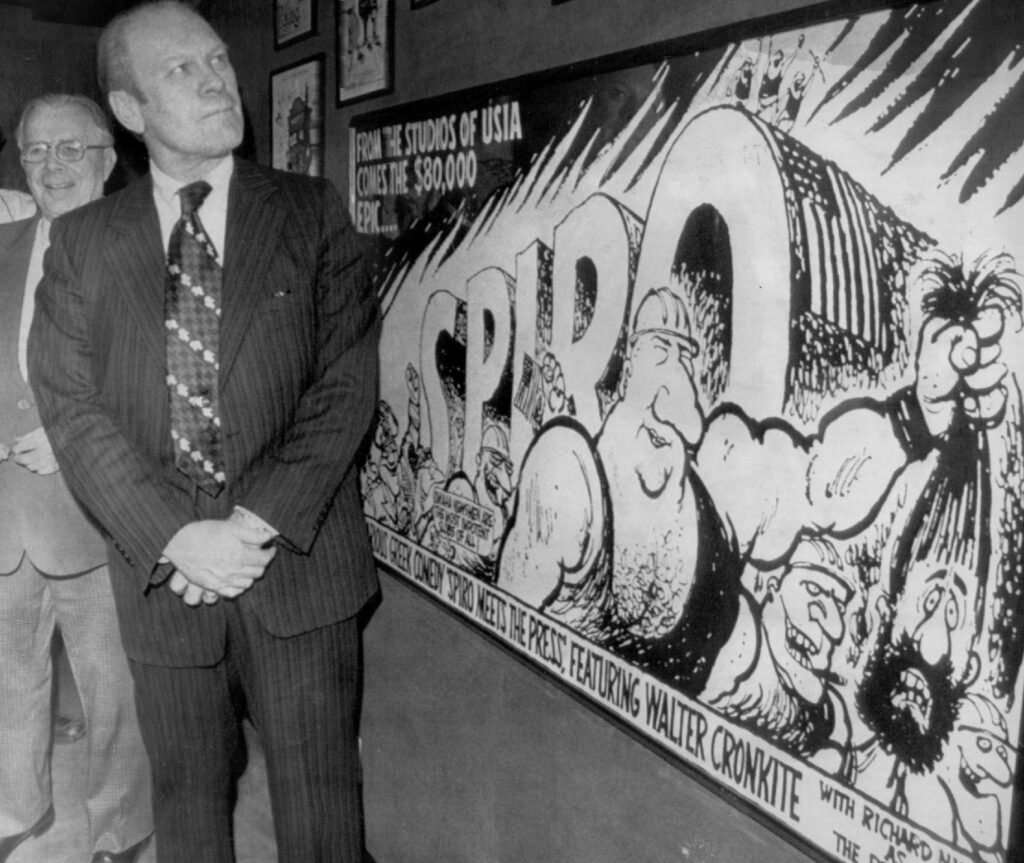
Mr. Oliphant’s work was not without its critics. The Catholic League denounced him as “one of the most viciously anti-Catholic editorial cartoonists ever to have disgraced the pages of American newspapers,” taking particular issue with cartoons he drew about sexual abuse within the clergy. (One memorable example was captioned, “Celebration of Spring at St. Paedophilia’s — the Annual Running of the Altar Boys.”) Other cartoons sparked criticism from the American-Arab Anti-Discrimination Committee, which accused him of racism, and the Simon Wiesenthal Center, which said he demonized Israel.
If there was somebody who could be offended, Mr. Oliphant probably did so. As he saw it, political cartooning was a “confrontational art,” one that thrived on provocation. “We are drowning in political correctness and somebody’s got to kill it,” he told the New York Times in 1997. “It’s the ruination of my business.”
Read more A major bracket shake-up: NCAA women’s tournament to seed the top 16 by true ranking next year
Patrick Bruce Oliphant was born in Adelaide, Australia, on July 24, 1935. As a child, he sought to emulate the work of his father, Donald, a government draftsman. He also took inspiration from his uncle Mark Oliphant, a physicist who worked on the Manhattan Project, was knighted and became governor of South Australia.
“People knew Sir Mark — his reputation was known throughout Australia,” Grant Oliphant said in the 2025 documentary “A Savage Art: The Life & Cartoons of Pat Oliphant.” “And I think part of what motivated my father to become great in his own right was he got tired of always being asked if he was related to Sir Mark, and he wanted to be his own guy.”
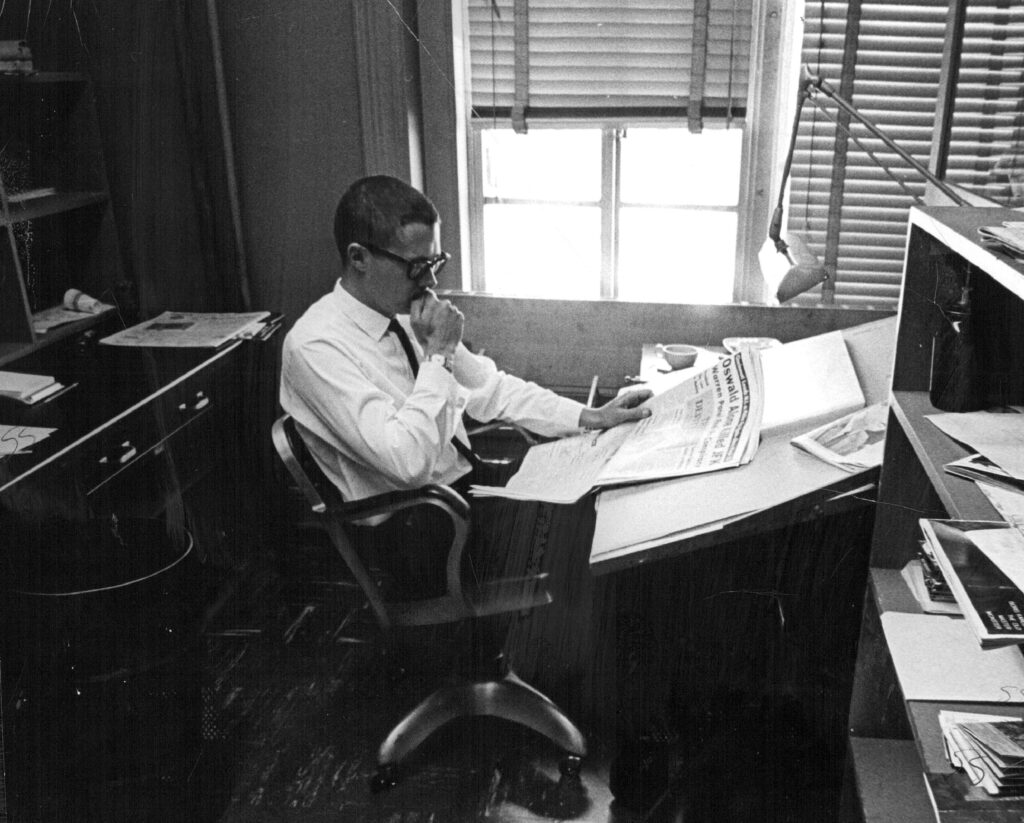
At 18, Mr. Oliphant landed a job as a copy boy at the News, an Adelaide newspaper owned by Rupert Murdoch’s father, Keith Murdoch. He had aspired to work as a reporter, but in 1955 he left the News for its rival, the Advertiser, and began doing minor illustration work, drawing maps and retouching photos. Soon, he said, “drawing won out,” and he left writing behind to be the Advertiser’s editorial cartoonist.
When editors disagreed with some of his cartoons, Mr. Oliphant began adding a tiny character at the margins, Punk the penguin, to voice his forbidden political views.
Inspired by a real-life penguin that had washed ashore in Adelaide, the character remained a staple of his cartoons for decades. It was through Punk that Mr. Oliphant called President Ronald Reagan a “soldier of importune” during the Iran-contra scandal, suggested Ted Kennedy should run away rather than run for president, and quipped that a $10 million book deal President Bill Clinton secured for his memoir was “not bad bucks for fooling all of the people all of the time.”
Mr. Oliphant was eager to leave Australia, which he dismissed as “a country where nothing happens.” He moved to the United States to join the Denver Post in 1964, and within a year his cartoons were syndicated internationally.
After moving to Washington to work for the Star, an afternoon paper that folded in 1981, Mr. Oliphant continued to refine his technique. For years, he attended a twice-weekly figure-drawing class that William Christenberry taught at the Corcoran School of the Arts and Design, developing what his colleague Telnaes once described as “a great sense of composition.”
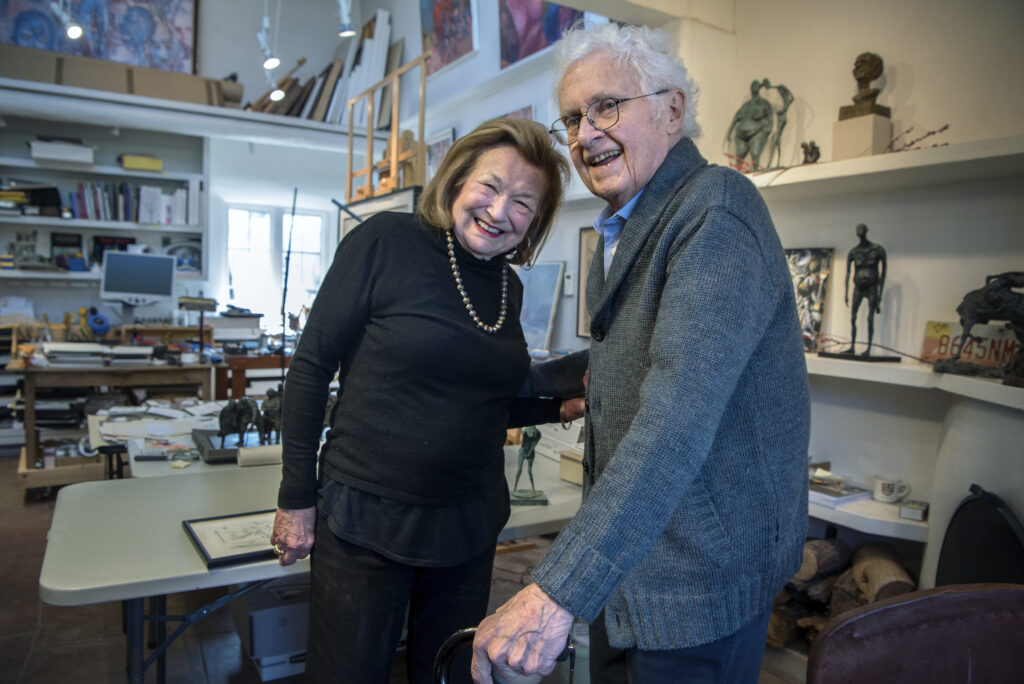
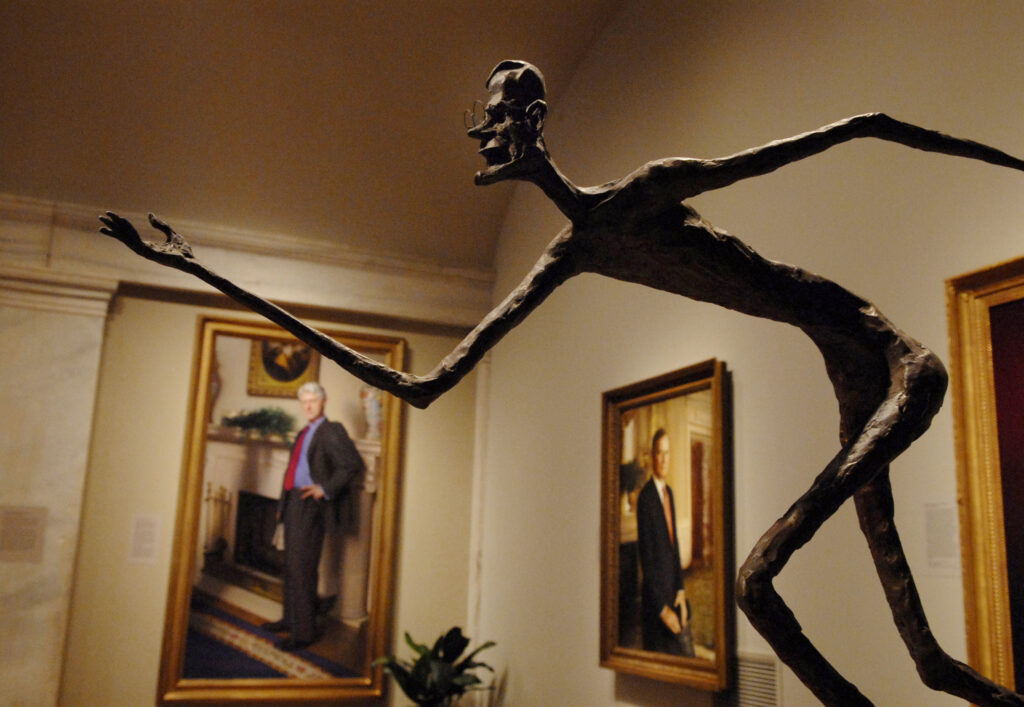
In addition to his political cartoons, Mr. Oliphant made paintings and sculptures, which he exhibited at a Georgetown art gallery owned by Susan Corn Conway. She and Mr. Oliphant married in 1996 and moved to Santa Fe in 2004.
His wife died in December. His previous marriages, to Hendrika de Vries and Mary Ann Kuhn, ended in divorce. In addition to his son, Grant, survivors include two daughters, Laura and Susanne Oliphant; two stepchildren, Pauline and Daniel Conway; a brother; four grandchildren; and two great-grandchildren.
Mr. Oliphant retired from cartooning in 2015, as his eyesight began to fail. But two years later, he made a brief reappearance with two editorial cartoons that were published online by the Nib, mocking President Donald Trump — depicted in a Nazi uniform — and White House strategist Stephen K. Bannon.
“We thought that Watergate was a unique condition. But it sort of pales in comparison to what we’ve got now,” Mr. Oliphant told the Santa Fe Reporter that year.
He had found a dream subject in Trump, he said, but his eyes made it all but impossible to draw. “I’ve been in this business 60 years. And I’ve waited 60 years for this [guy] to come along. And I can’t do anything about it because of my eyes.”
Read more What to know about Lindsey Graham’s passing