Day 2 includes testimony from former attorney general John Ashcroft and a pardon attorney Todd Blanche fired last year.
Read more Schmidt’s final Wallabies test brings hometown start for Carlo Tizzano vs Italy
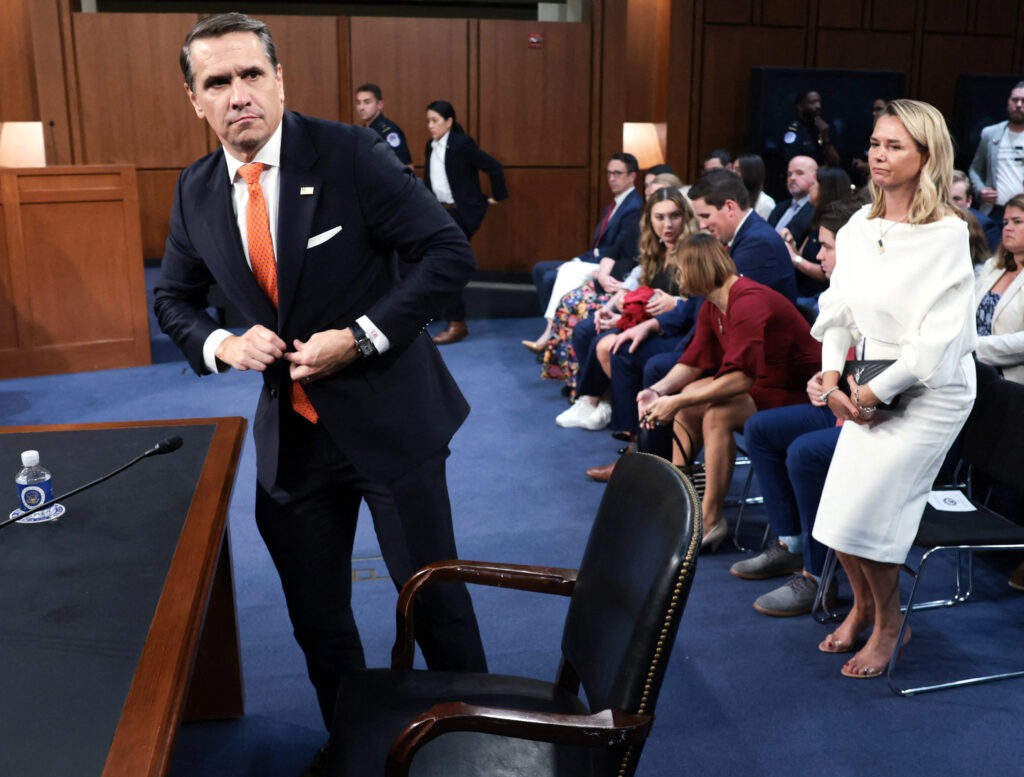
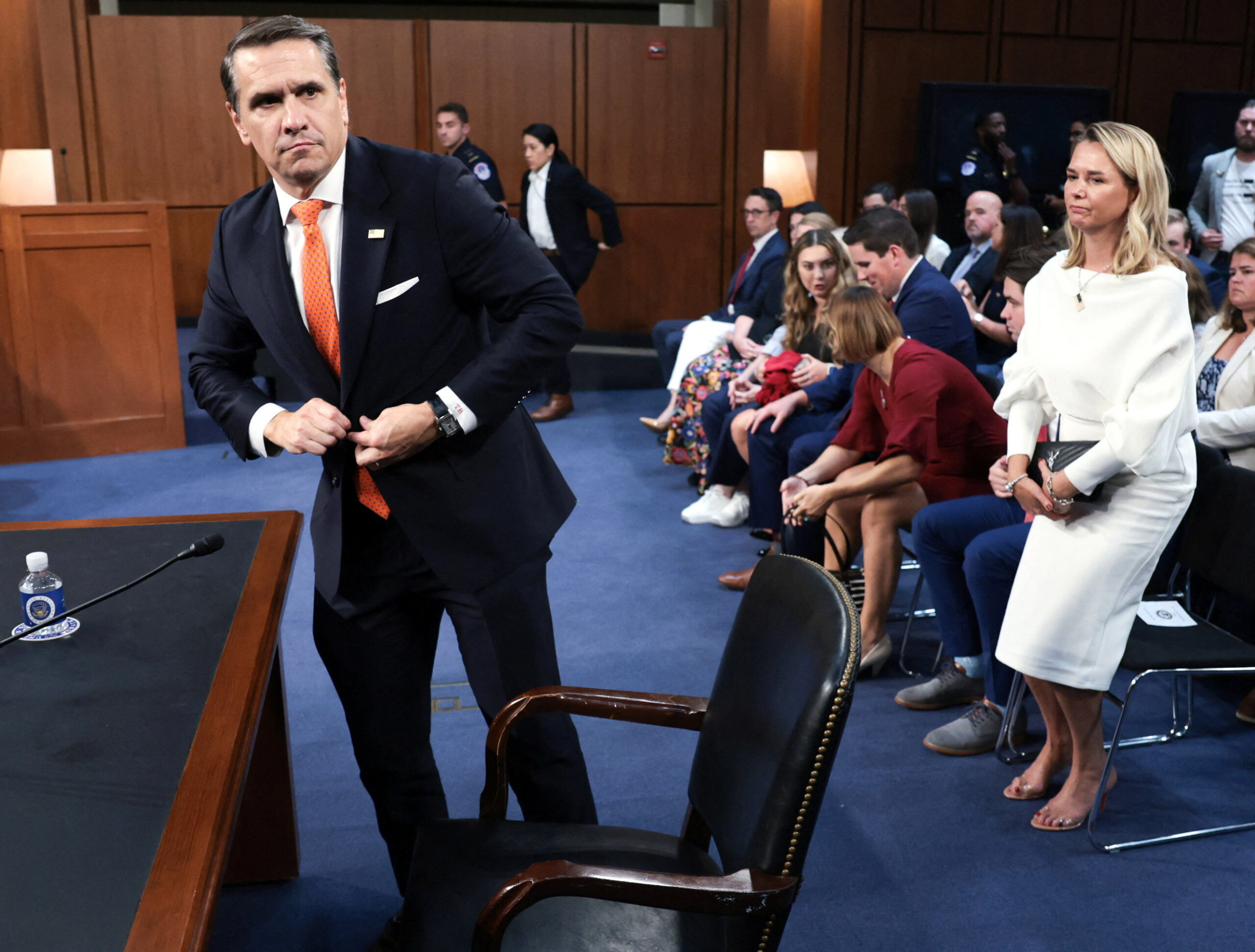
Acting attorney general Todd Blanche’s confirmation hearing to serve as the nation’s top law enforcement officer continues Thursday morning, with testimony from supporters and critics.
Former attorney general John Ashcroft, who served under President George W. Bush, is expected to testify in support of Blanche’s nomination. Liz Oyer, the Justice Department’s former pardon attorney who was fired by Blanche last year, is slated to testify against him, as is a woman who has accused convicted sex trafficker Jeffrey Epstein of abuse.
It’s unclear how — or whether — their statements will influence Senate Judiciary Committee members, who are expected to vote in the coming days on advancing Blanche’s nomination to the full Senate. Committee members spent hours on Wednesday grilling Blanche under oath, pressing him on his tenure as deputy attorney general and then acting attorney general under President Donald Trump.
The senators pressed him on whether, if confirmed, his primary loyalty would be to the Constitution or to Trump, whom he once represented as a private attorney. They asked Blanche about his stance on multiple issues, including anti-trust enforcement, presidential pardons and violent crime.
A single Republican no vote could sink Blanche’s nomination in the committee, making this two-day hearing a high-stakes political event. Here’s a recap of what unfolded during the first day of Blanche’s confirmation hearing.
Blanche repeatedly sidestepped questions about whether he supports Trump’s decision to pardon Jan. 6 rioters convicted of assaulting law enforcement officers. When pressed, the acting attorney general said the president has clear authority to pardon whomever he wants, though did not say whether he personally thought the pardons were a good idea.
Trump’s pardons for those who assaulted police officers when they broke into the U.S. Capitol as Congress was certifying Joe Biden’s presidential win on Jan. 6, 2021, has drawn criticism from Republicans and Democrats. (Trump pardoned virtually all the rioters, but his clemency for those who attacked police officers has drawn the most scrutiny.)
Blanche in his testimony condemned any violence against law enforcement officials and said rioters who committed such violence were rightfully prosecuted, although he did not give his opinion of the Jan. 6 attack itself.
“The Constitution gives the president the full power to pardon any person for any reason he wants,” Blanche said.
Blanche reiterated his view that it is not necessary for him to declare in writing that the administration’s $1.8 billion “anti-weaponization” payout fund is dead and will not be resurrected.
The Justice Department agreed to create the unusual fund to help resolve a Trump lawsuit against the IRS over the leak of his tax returns. The deal prompted a bipartisan uproar, prompting DOJ to scuttle the fund. A federal judge on Monday characterized the deal between the Justice Department and Trump’s lawyers that created the fund as the product of an improper effort to “manipulate the judicial process.“
“I very much disagree with the judge’s insinuations about me,” Blanche said about the judge’s ruling. “And we are going to do what we can to make that right.”
Asked Wednesday by Sen. John Cornyn (R-Texas) whether Trump could sue the Justice Department to resurrect the fund, Blanche conceded he could do so. But he said such a lawsuit still would not force DOJ to create the fund.
“It is a moot issue, meaning there is no weaponization fund,” Blanche told Cornyn. “The weaponization fund is dead. It’s not moving forward.”
If all Democrats oppose Blanche’s nomination as expected, Blanche will need to secure the vote of every Republican senator on the Judiciary Committee for his nomination to move forward. Republicans have an 11-10 majority on the committee, following the recent death of Sen. Lindsey Graham (R-South Carolina).
Read more UK urges FIFA to investigate Argentina over Falklands banner at World Cup
Three GOP senators said they are still undecided, and all three — Cornyn, Thom Tillis (R-North Carolina) and John Kennedy (R-Louisiana) — asked Blanche pointed questions about his record at the Justice Department.
Tillis, who is not running for reelection, seemed convinced by Blanche’s answers. “Thank you. You’ve done a great job today,” he said after questioning Blanche.
Kennedy and Cornyn, however gave little indication of how they would vote. Cornyn seemed particularly skeptical, questioning why the Justice Department would sign off on the IRS agreement. In addition to the fund, the deal also protects Trump, his sons and their affiliated businesses from any prosecutions or audits of past tax claims.
“There’s so much that is unusual about this,” said Cornyn, who lost his reelection bid earlier this year in his state’s Republican primary. Cornyn told reporters after the hearing that he was undecided if he would vote to advance Blanche’s nomination.
DOJ’s release of the investigatory files regarding convicted sex offender Jeffrey Epstein — especially its redactions of certain people’s names — proved to be a thorny issue for Blanche throughout the hearing. Democrats and Republicans have accused the department of blacking out some names to protect powerful people, while at times exposing victims by leaving their names in.
Blanche said any errors were unintentional and quickly fixed.
“We put tons of resources to rectifying those mistakes immediately, including pulling down documents within minutes of being informed there were potential mistakes made,” Blanche said.
Several of Epstein’s accusers attended the Senate hearing. Sen Dick Durbin (Illinois), the top Democrat on the committee, accused the Justice Department of refusing to meet with the victims and called on Blanche to personally meet with the women. Blanche would not commit to meeting with them personally but said that a qualified member of his staff would do so.
Justice Department officials have said the Epstein files do not contain information that could lead to a viable prosecution of anyone beyond Epstein or his convicted accomplice, Ghislaine Maxwell. But Blanche said if they find any information that could lead to the prosecution of someone affiliated with Epstein, he would prosecute that person.
“We will never not talk to victims,” Blanche said. “That narrative is false.”
Blanche played down the post-Watergate norm that insists on distance between the White House and Justice Department to try to ensure that politics do not influence criminal investigations. DOJ, the acting attorney general said, is just like any other executive branch agency that reports to the president.
“The Department of Justice is like every single department in the executive. It is part of the executive,” Blanche said. “We certainly operate with integrity. We certainly operate with the single mindset to serve the American people and do the right thing, but if confirmed, I will be a member of the cabinet.”
Still, he vowed that he would not do anything unethical or unlawful as attorney general, even if the president ordered him to do so.
“That will never happen, but if it were to happen, I would not violate my oath to the Constitution,” Blanche responded when asked whether he would resign if the president gave him an unlawful order.
Blanche, who was formerly Trump’s personal defense lawyer, said the president goes to him for advice, but “counsel does not mean I’m a yes-man.”
But he had a glaring slip-up when a senator asked whether he considers the president a friend. “I’m his lawyer,” Blanche said before correcting himself. “I was his lawyer.”
Read more How an Italian sculptor created the World Cup trophy that became an icon