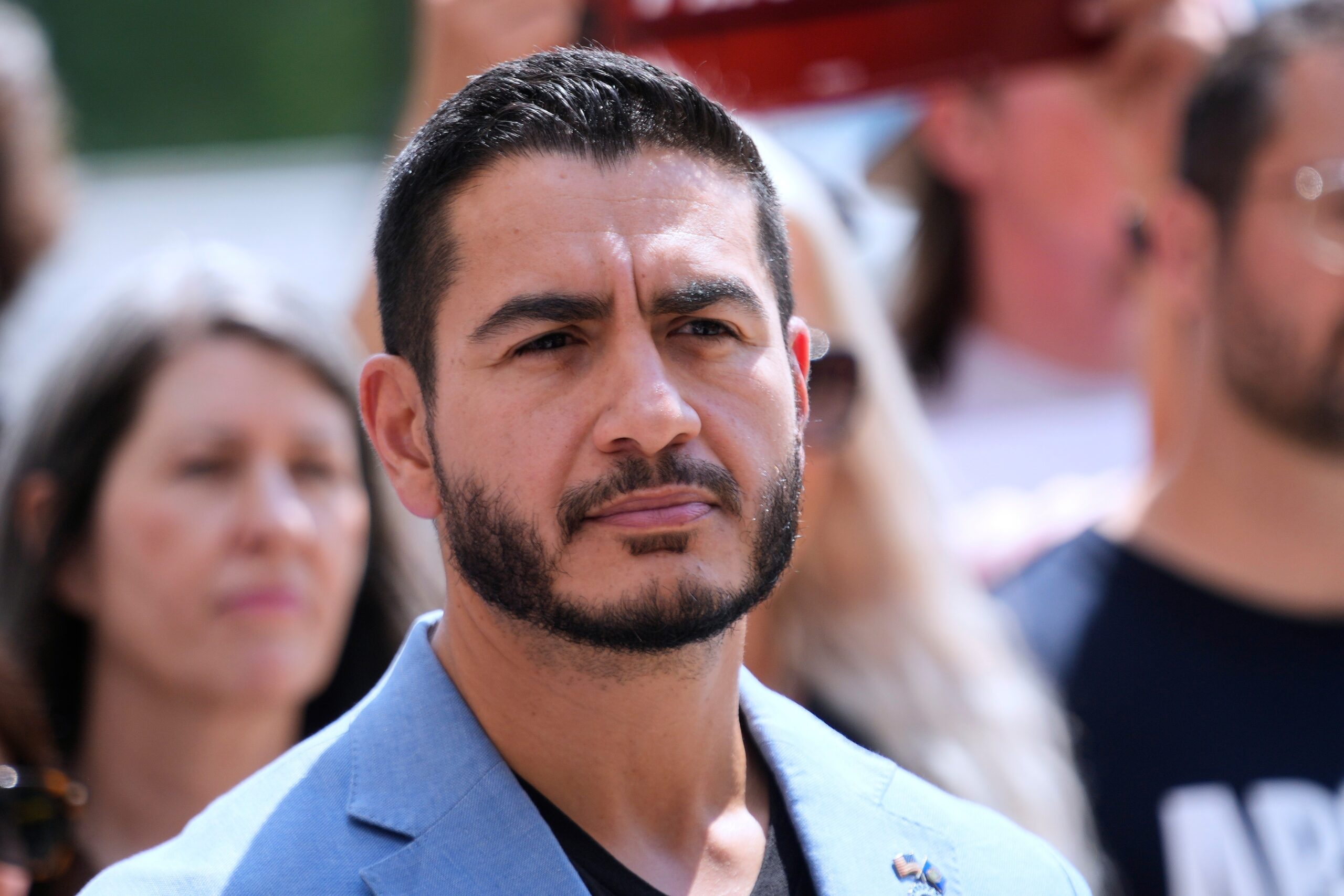
Senate nominee Abdul El-Sayed (D) has had close political ties to Hasan Piker, who has been accused of antisemitism.
Read more Senate hopeful’s ex-staffer shared KKK and Nazi imagery, adding to concerns about his associates
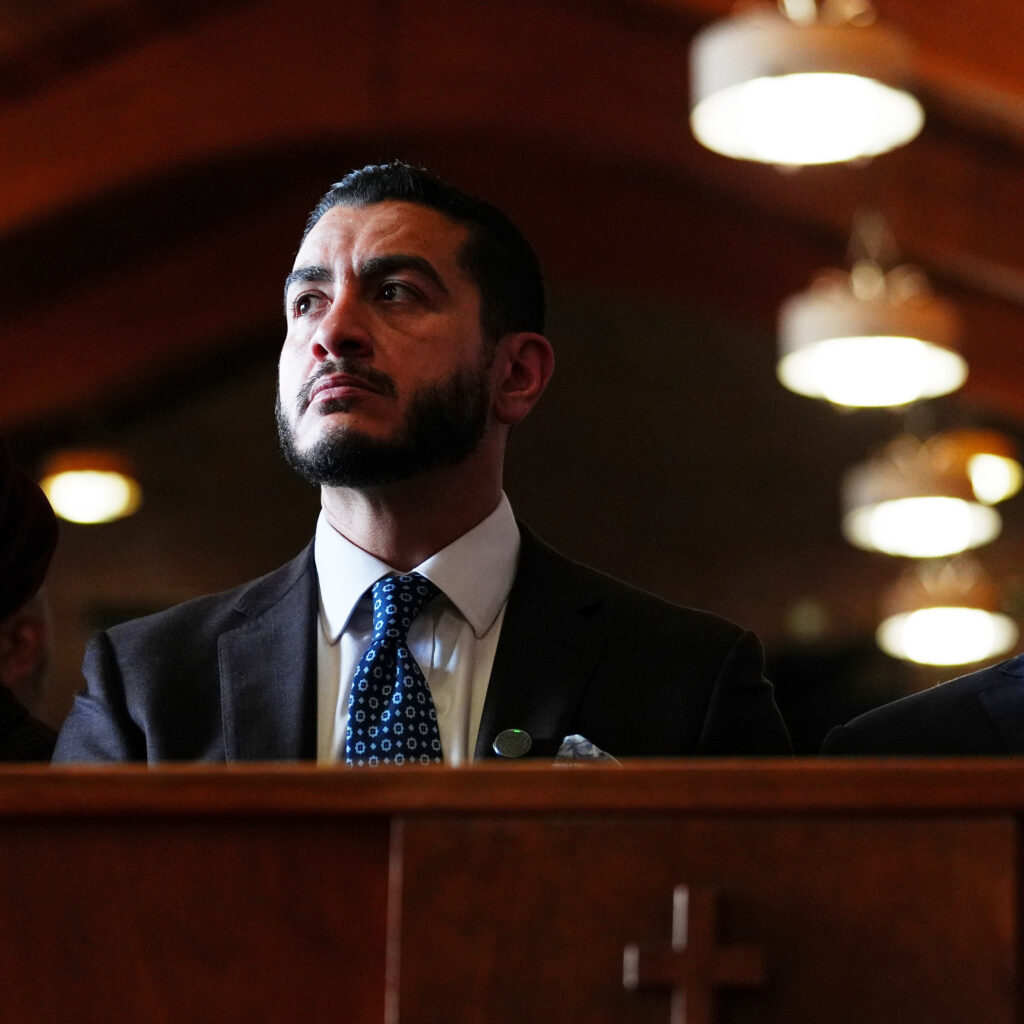
The quest to unite Michigan Democrats after a combative Senate primary hit a snag this week as the party erupted into renewed acrimony over inflammatory comments about Israel and American Jews from left-wing political commentator Hasan Piker.
Though Piker is not running for the Senate in Michigan — he does not even live in the state — his close political relationship with Democratic nominee Abdul El-Sayed has become a potential liability for the candidate. One member of Michigan’s congressional delegation has refused to campaign with El-Sayed because of his association with Piker. It has also held up an endorsement from the Democratic hopeful in another district.
El-Sayed is in a tight race to retain the seat being vacated by Sen. Gary Peters (D-Michigan). Republicans view the state, which President Donald Trump won in 2024, as a key pickup opportunity in their bid to retain control of the Senate, where they have a 53-47 advantage.
The campaign has now been consumed for days with the fallout from Piker’s Aug. 20 live stream on the platform Twitch, where he warned that Israel has become so politically toxic that supporting the country could incite violence against Jewish Americans.
“If Jews in America keep putting this idea out there that they’re singularly invested in Israel, eventually someone will come around and take action — not against Israel, mind you, but against American Jews,” Piker said.
Some Jewish people and their allies, including House Minority Leader Hakeem Jeffries (D-New York), denounced the comment as threatening and antisemitic.
El-Sayed has tried to tamp down the controversy without breaking from Piker, a popular online figure who boosted El-Sayed during the primary and appeared at his final campaign event in Detroit.
“I want to be crystal clear, nobody speaks for this campaign besides me and my campaign spokespeople,” El-Sayed said in a lengthy statement Monday.
Following a campaign rally Wednesday, El-Sayed told reporters he was more interested in talking about the affordability of groceries and access to good schools.
“You would think, if you turned on any media, that this whole campaign is about a streamer in California,” he said. “That’s not what this campaign has ever been about.”
Nevertheless, Piker’s progressive and sometimes controversial views on foreign policy, particularly related to Israel’s war in Gaza, have roiled Democrats as they seek to hold on to a battleground seat.
Critics have repeatedly lambasted El-Sayed for a comment that Piker made on one of his broadcasts in 2019, and subsequently apologized for, that “America deserved 9/11.” Piker had argued that U.S. foreign policy had inflamed tensions in the Middle East. This month, El-Sayed called the comment a “dumb statement” and said he would not “play gotcha politics” over old Piker content.
Though many establishment Democrats have endorsed El-Sayed since he narrowly won this month’s primary over the more moderate Rep. Haley Stevens, vocal holdouts such as Rep. Hillary Scholten (Michigan) continue to criticize El-Sayed for his connection to Piker.
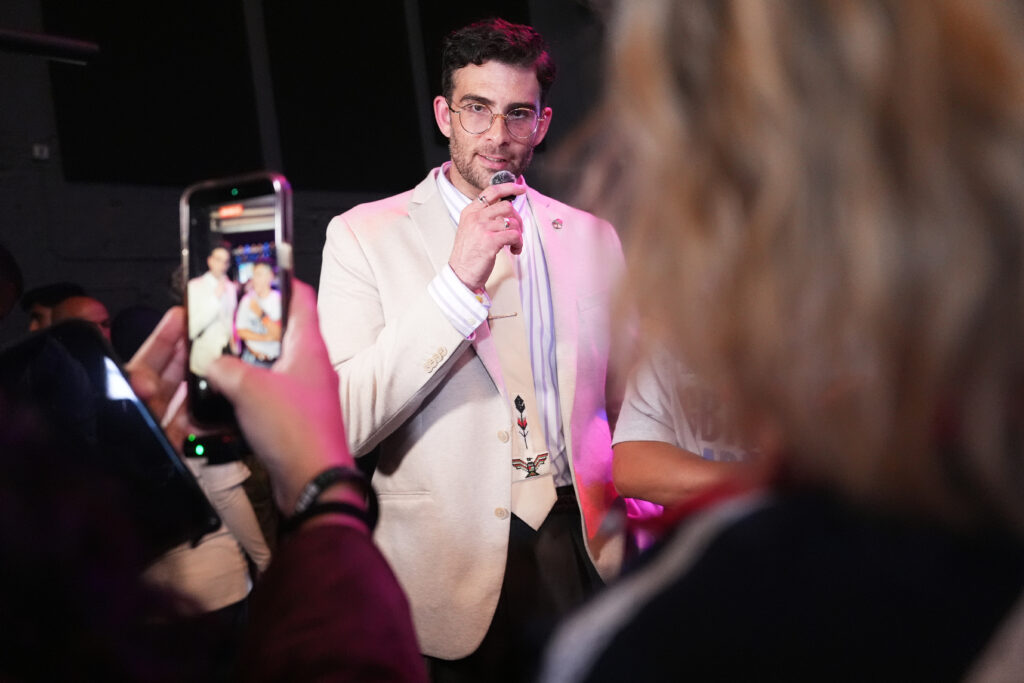
Meanwhile, Republicans are latching on to the discord to paint El-Sayed as a radical who is out of touch with Michigan, in an increasingly contentious campaign that has fueled Islamophobia. GOP nominee Mike Rogers, making a concerted push to win over disaffected Democrats, has referred to Piker as El-Sayed’s “running mate” and suggested that El-Sayed believes the United States deserved 9/11.
“Abdul has always unequivocally condemned terrorism and the September 11 attacks,” El-Sayed spokesperson Roxie Richner said in a statement. “Mike Rogers’ attempts to misrepresent Abdul’s beliefs are bad-faith lies meant to mislead Michiganders.”
El-Sayed is also struggling to repair a frayed relationship with the state’s Jewish community.
The American Israel Public Affairs Committee (AIPAC) unsuccessfully spent more than $30 million during the primary to defeat El-Sayed, who says Israel is committing a genocide in Gaza and the U.S. should end military aid to the country.
While many Democrats agree with El-Sayed, prominent members of Michigan’s Jewish community, which traditionally votes Democratic, have raised concerns about his emphasis on Israel and expressed hurt about a statement El-Sayed made in March that some felt rationalized an attack on a local synagogue.
Read more Trump keeps boosting data centers, even as other Republicans grow critical
Just after the attack, El-Sayed said that “hurt people hurt people.” The Lebanese-born American who was accused of carrying out the attack was reportedly mourning relatives killed by an Israeli airstrike.
El-Sayed has condemned antisemitism throughout his campaign and sought to separate it from his criticism of Israel.
But Piker’s recent broadcast thrust the issue back into the Michigan Senate race.
Piker told The Post in an interview that he was shocked by the extent of the backlash to his comments about Israel. He said he was making a broader point that tying Jewish identity inextricably to Israel in this political moment could be dangerous for American Jews. But critics isolated one sentence, he said, and misconstrued the meaning of his comments to imply he was condoning violence.
“The most heinous interpretation of this is the notion that I’m not a sincere defender against antisemitism, and that I’m actually celebrating or threatening American Jews with violence if they don’t back away from defending Israel, which is not the case,” he said. “There’s no justification for violence of any sort.”
He added that he believes many simply reacted to what they were told he said, rather than actually listening to his full comments.
Piker said some establishment Democrats who do not agree with El-Sayed but are reluctant to criticize him directly may be “using me as a stand-in to cause a big fuss.” But he does not expect that most voters care or that it will hurt El-Sayed’s campaign in the long run.
“It’s at most a distraction, and that’s not good,” Piker said. “Because every moment that Abdul has to spend talking about me, talking about his affiliation, is a moment where he’s not talking about Donald Trump, is a moment where he’s not talking about Mike Rogers.”
During the stream, Piker criticized Jeremy Moss, the Democratic nominee for a House district representing suburban Detroit, who is Jewish and a supporter of Israel. That prompted a response from Moss and then the statement from El-Sayed, who expressed his “commitment to Jewish safety.”
“I believe all Americans deserve the right to advocate for what they believe without fear of violence,” he said.
That was not enough for Scholten, who reiterated that she would not campaign with El-Sayed if he continued to associate with Piker.
“Abdul El-Sayed had a prime opportunity to cut ties with Piker and directly disavow his words, but he did not,” she said in a statement. “There is a lot of work left to do to unite the party.”
A spokesperson for Scholten’s campaign did not respond to questions about what it would take for El-Sayed to earn the congresswoman’s endorsement.
Moss, who has not endorsed El-Sayed either, was more conciliatory, acknowledging they are engaged in “continual dialogue in our shared fight against MAGA extremism” and clarifying that he does not support Rogers, even as he condemned Piker.
“These important conversations do not fit neatly in the confines of a tweet or a reel,” he said in a statement. “I’m grateful that Abdul and I are having them.”
Some Democrats have had enough of the hand-wringing over Piker. At El-Sayed’s campaign rally Wednesday, Rep. Debbie Dingell (D-Michigan) said it was just giving fodder to Republicans.
“It’s not what November is about,” she said. “We’ve got to stop letting them try to divide us.”
Read more Democrats want to draw more safe House seats. It could cost Black lawmakers.