The New World screwworm spread from southern Mexico to Texas in two years when the administration cut staff and funding.
Read more Commanders rookie Sonny Styles has the green dot and the green light
When health authorities found New World screwworm in a Maryland resident last August, alarmed beef industry leaders rushed to assess how to limit the market impact of a flesh-eating parasite best known for infesting cattle and other livestock, emails obtained by The Washington Post show — conversations that began six days before the U.S. Department of Agriculture publicly disclosed the case.
Now that the U.S. has 12 confirmed cases in cattle, goats, sheep and a dog in Texas and New Mexico, alarmed ranchers and local officials are questioning whether USDA is being transparent about the scale of the outbreak and doing everything possible to contain it.
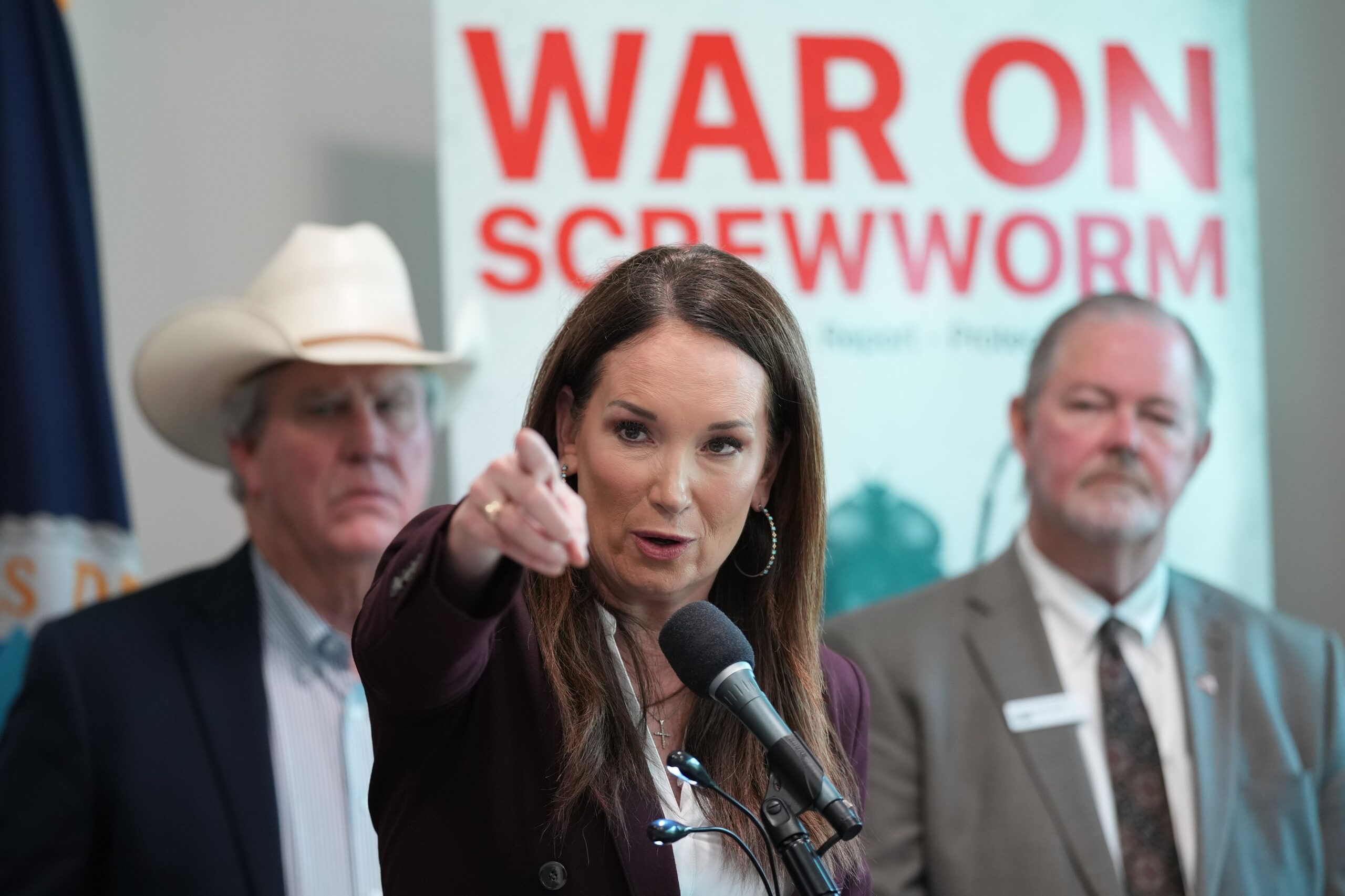
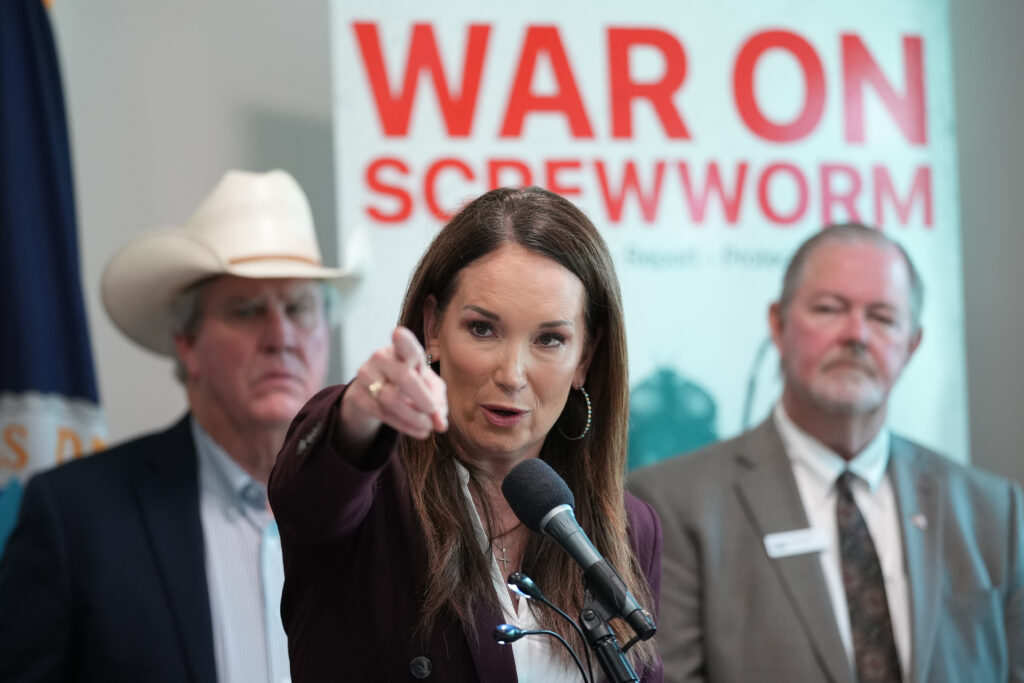
Agriculture Secretary Brooke Rollins has publicly downplayed the danger and pointed fingers at the previous administration, even as experts say the reemergence of a grisly pest confined to South America for decades has exposed shortcomings in the government’s ability to respond. Eradicating the outbreak requires targeted releases of sterile flies, but the U.S. won’t have enough sterile flies until a new facility comes online next year at the earliest.
“This is not a simple show up, stamp out, depopulate and leave,” said Dudley Hoskins, undersecretary of marketing and regulatory programs. “It will take us some time and ultimately what we need is more sterile flies.”
USDA has not declared an emergency, a step experts encouraged and that the agency’s own response playbook said would mobilize more federal resources. Another Cabinet-level agency, the Department of Health and Human Services, already did so last year. A senior USDA official, who was not authorized to speak publicly, said the agency is continuously evaluating the issue and already has the powers it needs without declaring an emergency.
Affected farmers are not getting enough information from USDA about what happens to their herds if they’re put into a containment zone, said John Paul Schuster, a rancher and county judge in Kinney County, Texas, between Mexico and Zavala County, which has three confirmed cases. An infestation could prevent him from taking cattle to market and require expensive treatments.
“I really like Brooke Rollins but young lady, you dropped the ball on this one,” Schuster said. Rollins is widely viewed as having future political ambitions in her home state of Texas, and critics suspect her of minimizing the crisis to make it look like she has the situation under control. A person close to Rollins said she does not talk about running for office.
Senate Democrats called on USDA to consider using the Defense Production Act to boost sterile fly and to compensate affected producers for losses from having to quarantine and treat their animals or delaying their time to market, similar to past programs to cover losses from the avian flu. Otherwise, producers may be reluctant to report their cases and suffer the economic damage.
“You can’t quarantine something you’re not aware of,” former Agriculture secretary Tom Vilsack, a Democrat, said. “You’re depending on folks’ willingness to self-report.”
Texas Agriculture Commissioner Sid Miller, a Republican who lost his primary in March despite Trump’s endorsement, said ranchers may be trying to avoid detection. “Everybody says, ‘Well hell, I’m not doing that,’” Miller said. “Calling it a quarantine scared the hell out of everybody.”
Rollins rejected Miller’s suggestion as “unserious” and “dangerous.” A second senior USDA official said the agency is reviewing whether and how to provide compensation to affected producers.
“If people think they’re going to fix the problem by hiding it, they’re just going to make it worse for themselves and everybody else,” the official said.
Last August, around the time of the human case in Maryland last year, administration officials discussed an emergency response involving multiple agencies but decided against it, according to a former administration official involved with the discussions. Instead, Rollins and the White House set up a New World Screwworm Directorate within USDA to lead the response and coordinate with other departments.
The directorate grew from 10 to 100 staff, the first senior USDA official said. But USDA’s Animal and Plant Health Inspection Service (APHIS), whose responsibilities include screwworm detection and treatment, lost nearly 2,000 employees last year, more than 20 percent of its workforce, as the Trump administration downsized the federal government.
Former officials said the cuts eroded the agency’s expertise and left fewer people available to deploy in an emergency. Many senior officials felt threatened in their jobs and resigned or retired, leaving successors with less than a year on the job.
“The staffing reductions at APHIS overall are a big problem,” said Kevin Shea, a retired APHIS administrator and 45-year veteran of the agency. “It hurts the ability to respond to new outbreaks.”
The first senior USDA official said the administration has a plan to scale up the response to involve officials from HHS and the Defense Department if necessary.
Read more These American women are making history as referees at the men’s World Cup
As in other parts of the administration where officials overshot, some of the cuts were reversed. USDA fired and quickly rehired National Animal Health Laboratory Network staff, and restored some jobs at the hard-hit plant protection and quarantine program.
The Trump administration’s dismantling of the U.S. Agency for International Development also cut about $382 million from the United Nations Food and Agriculture Organization, including the Global Health Security Program targeting diseases and pests such as New World screwworm.
“It’s much more expensive than if we’d dealt with it the first time,” said Katy Padilla Stout, the Democratic candidate for Congress from the Texas district where the cases have been found. Tony Gonzales resigned from the seat in April, and Gov. Greg Abbott (R) has not scheduled a special election to fill it.
“Until it’s a complete crisis it’s not going to get the attention it deserves from this administration,” Padilla Stout said. The Republican candidate, Brandon Herrera, did not respond to a request for comment.
Some officials involved in the response worry that the outbreak may already be larger than the confirmed case count suggests, according to an experienced veterinarian involved in the response. That concern stems in part from the first known U.S. livestock infestation, discovered in a young calf in South Texas with no known connection to other cases. The nearest previously known infestation was dozens of miles away.
“How it jumped that far, we don’t know,” the veterinarian said. Some USDA officials believe additional cases are likely to be discovered in the coming months, even as containment efforts expand.
Questions also remain about the infested dog in New Mexico. USDA initially said the dog traveled south of the border, then officials reversed themselves. The state veterinarian, Samantha Holeck, said there was a language barrier at the clinic that treated the dog, and an interpreter later helped establish that the dog never left home. Officials are still trying to determine how the dog became infested, Holeck said.
The first senior USDA official said the scattered outbreak is consistent with data from Mexico, explaining that the fly tends to hitchhike on animals rather than travel in a swarm.
The rancher with the first case, Robbie Graff of La Pryor, Texas, praised USDA’s response in a June 11 news conference with Rollins. He said USDA started dropping flies within two days, the infested calf made a full recovery, and he hasn’t had any more cases.
“If you see something please turn it in,” he said.
Unlike many livestock diseases, New World screwworm can infest virtually any warm-blooded animal. Cattle, sheep and goats can become infested, but so can deer, feral hogs, raccoons, squirrels and the exotic game animals common on some Texas ranches.
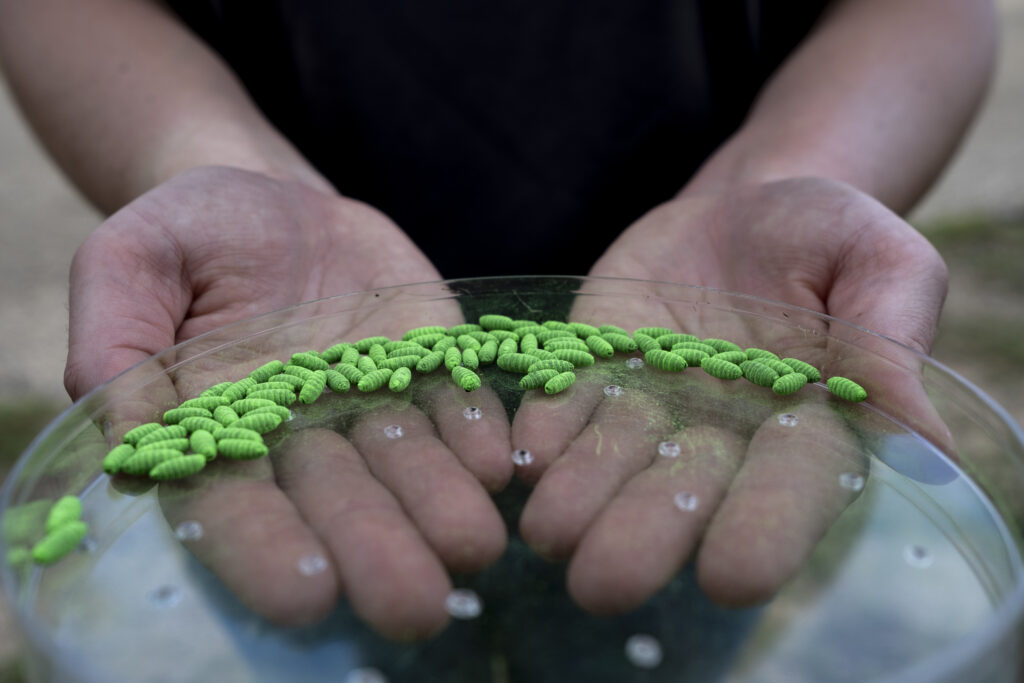
Female flies lay eggs in open wounds or body openings of warm-blooded animals, and when the eggs hatch, the larvae (maggots) burrow in and feed on living tissue. That feeding causes painful, foul-smelling wounds that can become serious if they are not treated early.
Recent data suggests human infestations are uncommon — roughly one reported human case for every 100 reported animal cases. But experts say that ratio can fluctuate significantly depending on local conditions and how thoroughly cases are detected and reported.
The risk to the general U.S. public remains low, but elevated for those traveling to or living in areas with known outbreaks, such as Central America and Mexico. Officials emphasized that the food supply remains safe because cattle are inspected before slaughter.
A jointly operated U.S.-Panama facility is currently producing about 100 million sterile flies a week, operating at full capacity. USDA is helping establish a second production facility in Mexico that is expected to eventually produce another 100 million flies a week. Last year, USDA announced another production facility in Texas with an eventual weekly capacity of 300 million flies, but it’s not expected to start operations until some time in 2027.
Even once the supply of sterile flies reaches 500 million a week, pushing the parasite back through Mexico and restoring the natural buffer that kept the fly in South America will likely take years, not months, current and former officials said.
“Even under the best of circumstances we’re talking about years,” Shea, the retired APHIS administrator, said. “It’s not hopeless, we know how to do this. But it’s going to be painful and costly.”
Read more Spencer Carbery signs multiyear extension as Capitals’ coach
Andrew Ba Tran contributed to this report.