Rural approval of the president falls to a new low amid rising bankruptcies and trade uncertainty, and some farmers accuse the GOP of making a hard business harder.
Read more Why democratic socialists like Lewis George in D.C. keep winning in cities
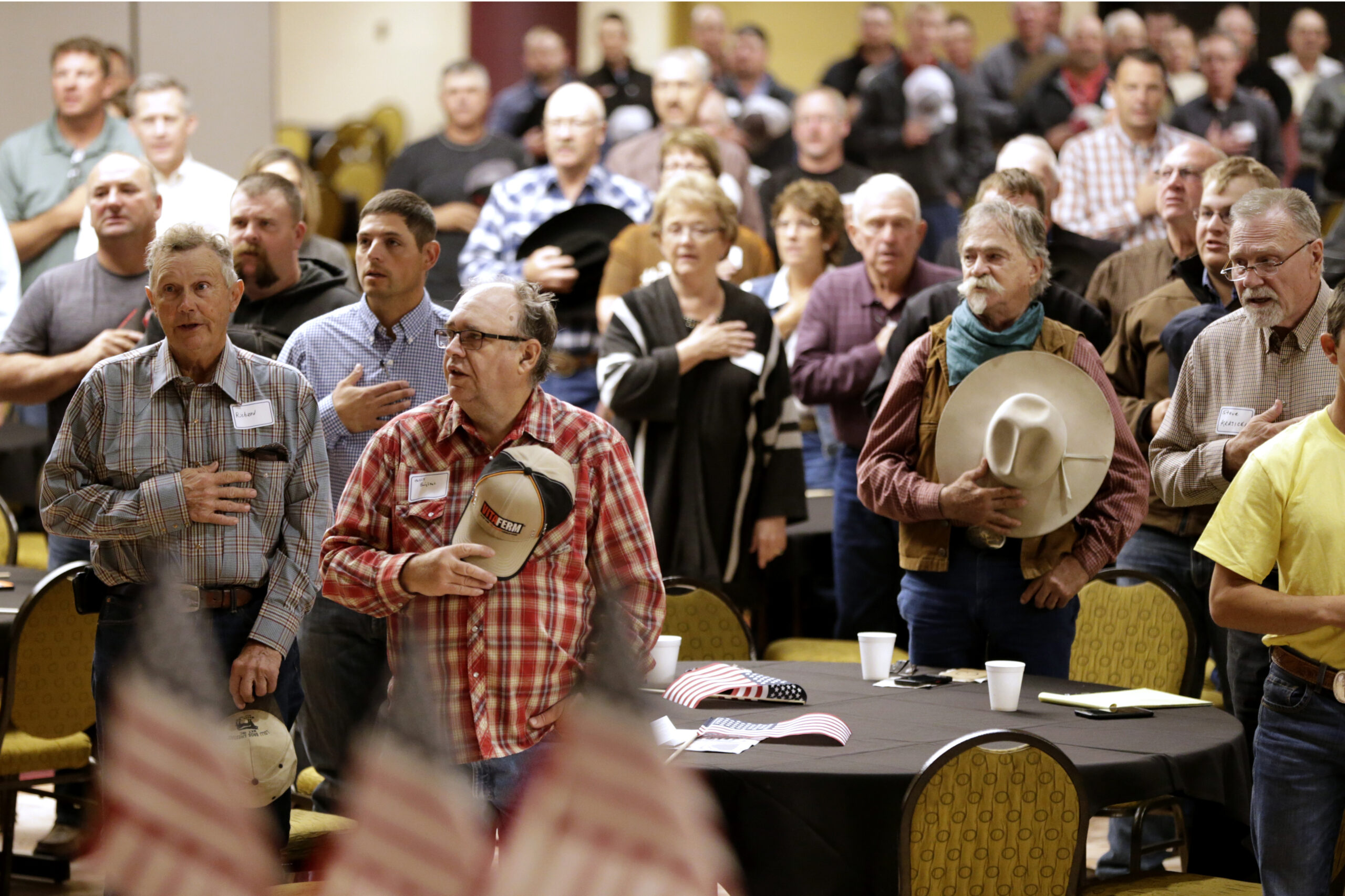
Scott Thomsen is a fourth-generation Nebraska farmer and three-time voter for President Donald Trump. For years, he voted Republican, drawn to the party’s message of fiscal restraint.
Not anymore.
“I’m pretty disenfranchised as a voter right now, and I think I’m not the only one,” Thomsen said. “Either I’m going to completely sit these elections out, or I’m going to vote down the line, incumbents out.”
Farmers, one of Republicans’ most loyal voting blocs, are increasingly voicing discontent with the party’s policies, which they say are making an already precarious business even harder.
For years, the costs to be a farmer have been too high and the prices at which they sell their crops have been too low, squishing margins and forcing many to operate on a loss.
Now, heading into this year’s midterm elections, farmers are facing multiple headaches as a result of Trump actions: price spikes in fuel and fertilizer due to the war in Iran, volatile markets from the president’s trade wars, and a new, uncontained parasite threat to cattle.
The multiple crises in the agriculture sector have not yet translated to a massive conversion to Democrats, but they have energized some Democratic bids in rural areas and forced Republicans to defend their handling of rural issues. If farmers decide to stay home in November, that could have outsize consequences in a year when Republicans are fighting uphill to maintain control of Congress.
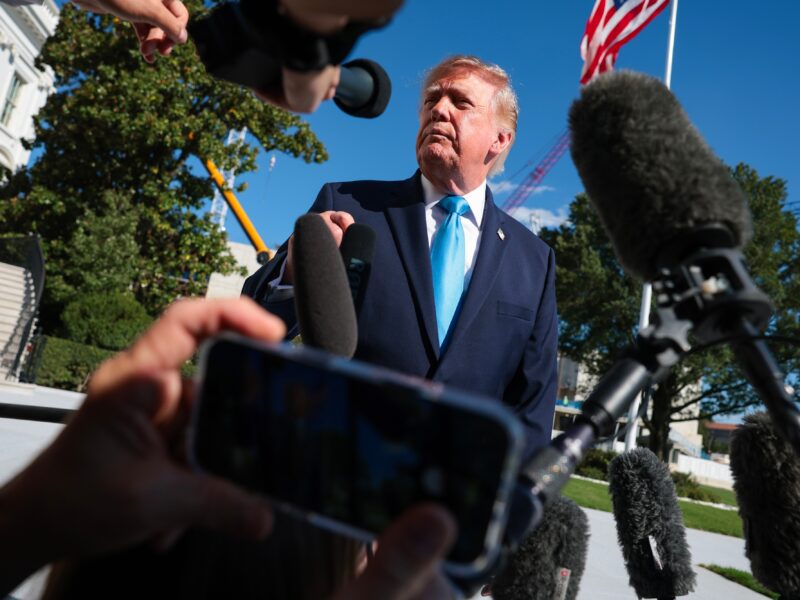
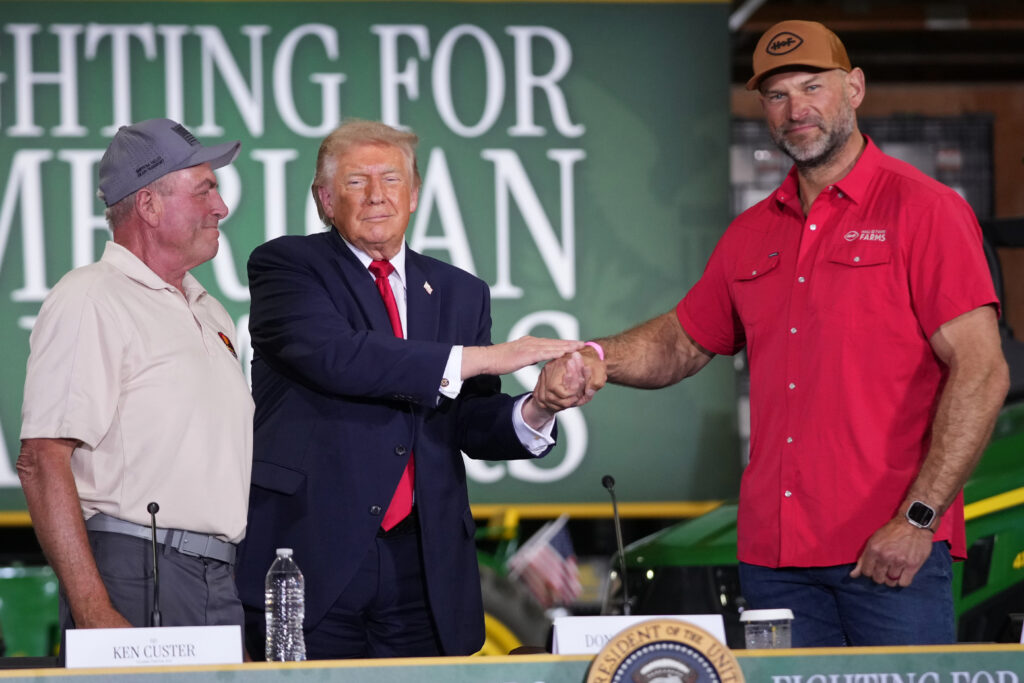
Trump visited Wisconsin this month in an attempt to assuage farmers’ concerns and highlight relief payments by the administration to help carry farmers through the current market.
Approval for the president among rural Americans dropped this month to 50 percent — a new low, according to a Reuters-Ipsos poll. That’s a sharp decline from the 60 percent approval shortly after Trump’s second inauguration.
“A lot of farmers today have lost and are losing faith and are feeling betrayed,” said Joe Maxwell, president of Farm Action Fund, a group that supports candidates in both parties. “They’re not seeing an ‘America First’ agenda.”
More than 300 farms filed for bankruptcy last year — up 46 percent from the year before and the second year in a row that the number has climbed, according to the American Farm Bureau Federation. The U.S. Department of Agriculture forecasts that total farm sector debt will rise to $624.7 billion this year — the highest on record — to weather current economic conditions.
The conditions echo the 1980s farm crisis, when Democratic candidates leaned heavily into farmers’ tight margins to win in rural states, said Cory Haala, a history professor at the University of Wisconsin at Stevens Point who wrote a book on the party’s wins in the Midwest. 1986 saw the elections of Democrats Kent Conrad in North Dakota and Tom Daschle in South Dakota on messages focused on helping farmers crushed by collapsing crop markets.
Similarly, a handful of Democratic candidates today are tapping into farmers’ frustration as they campaign for House seats in red states such as Iowa, Nebraska and Wisconsin. Democratic Senate candidate Josh Turek in Iowa and independent candidate Dan Osborn in Nebraska are highlighting the economic pinch afflicting the agricultural sector.
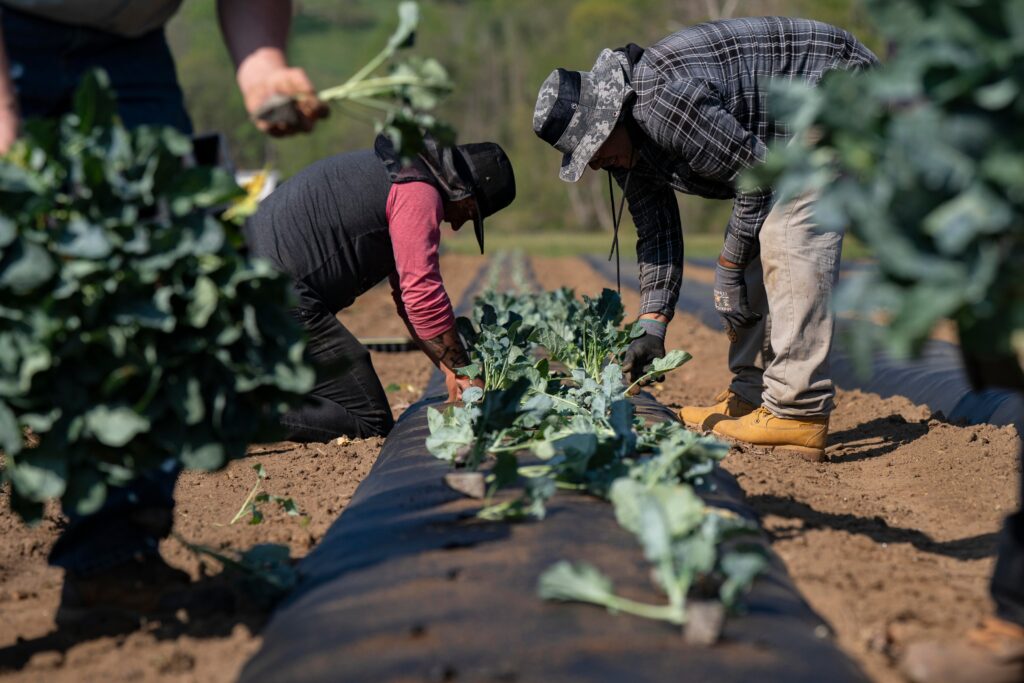
Rebecca Cooke, a Democrat running in a competitive House district in rural Wisconsin, said she’s frequently asked about Trump’s actions adding market volatility for farmers, including the war in Iran and tariffs on China.
“Farmers don’t want government handouts, which Trump is proposing to give money back to people,” Cooke said. “They want stable marketplaces to be able to sell their goods to the world.”
Still, candidates have voiced concerns that the party isn’t doing enough to court disaffected farmers.
“There’s clearly an opportunity for Democrats,” Maxwell said. “The question is, will the Democrats seize that opportunity to make a difference at the ballot box?”
Farming has always been a risky business. Unpredictable weather, disease and changes in demand can foil plans made months in advance to breed calves for beef or plant crops. White-knuckling through hard years is part of the job and gives a sense of resilience if there’s hope that conditions will get better.
Read more Flesh-eating maggot outbreak puts Trump administration response under scrutiny
That mentality helped farmers weather the tariffs that were imposed on China during the first Trump administration and sustained under President Joe Biden, and that effectively obliterated one of the United States’ biggest markets for soybeans and ceded production over to South America.
But patience is wearing thin as more farms shut down, said Bill Armbrust, a cattle farmer in Nebraska.
Farmers, Armbrust said, “have been rationalizing all of this chaos and saying it’s all going to be better later, but now they’re seeing that they may not be in the business any longer later.”
Even the cattle industry — a rare corner of agriculture that has seen success in recent years — is under threat with the emergence of the New World screwworm. The pest, which was eradicated from the U.S. in 1966, popped up in Texas in the past month, adding costs for cattle ranchers who have to routinely check their animals to prevent its spread.
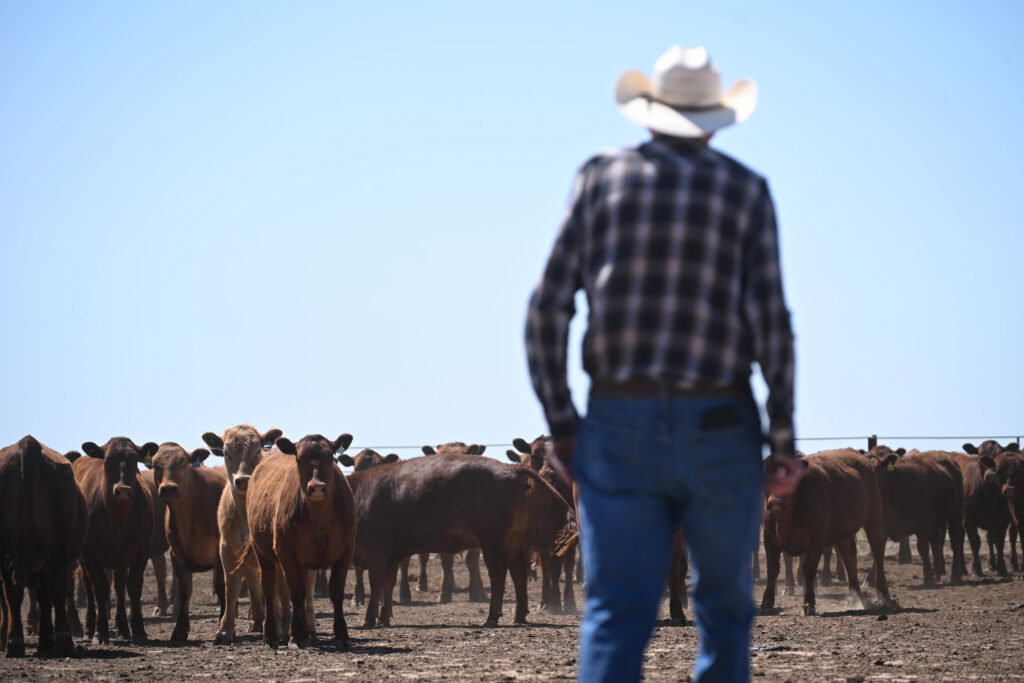
Checking for screwworms is often practically unfeasible with the vast swaths of land required in cattle rearing, said Justin Belcher, a fifth-generation cattle farmer in West Texas. To hire the required manpower to check his animals for the screwworm would evaporate what margins he has left.
“If we did that, we wouldn’t be making any money at all whatsoever,” Belcher said. “This would not be a business at that point. This would be a hobby.”
USDA under the Trump administration has drawn scrutiny for its response to the screwworm, particularly after the White House requested significant cuts to the agency’s budget and the U.S. DOGE Service shuttered some of its operations. Texas Agriculture Commissioner Sid Miller, a Republican and fiercely loyal Trump supporter, has publicly fumed at Agriculture Secretary Brooke Rollins, saying she hasn’t been aggressive enough in addressing the screwworm threat to cattle ranchers. The parasite can also infect domestic pets.
Miller advocates using a system employed in the 1960s to eradicate the worms that involves baiting and killing the pests.
If more beef is taken off the market because of infections in cows, that could further drive up supermarket prices at a time when affordability is registering as voters’ top concern in upcoming elections. America’s cattle herds are already at their lowest levels in more than seven decades.
“They’re very, very frustrated with the way this has been handled and that we’re not doing enough,” Miller said of cattle farmers. “It could have some adverse effects in the midterms.”
Rollins has said USDA has been aware of the growing screwworm threat for years and worked with governments in Latin America to contain its spread. She has denied that DOGE cuts affected the administration’s response to the screwworm.
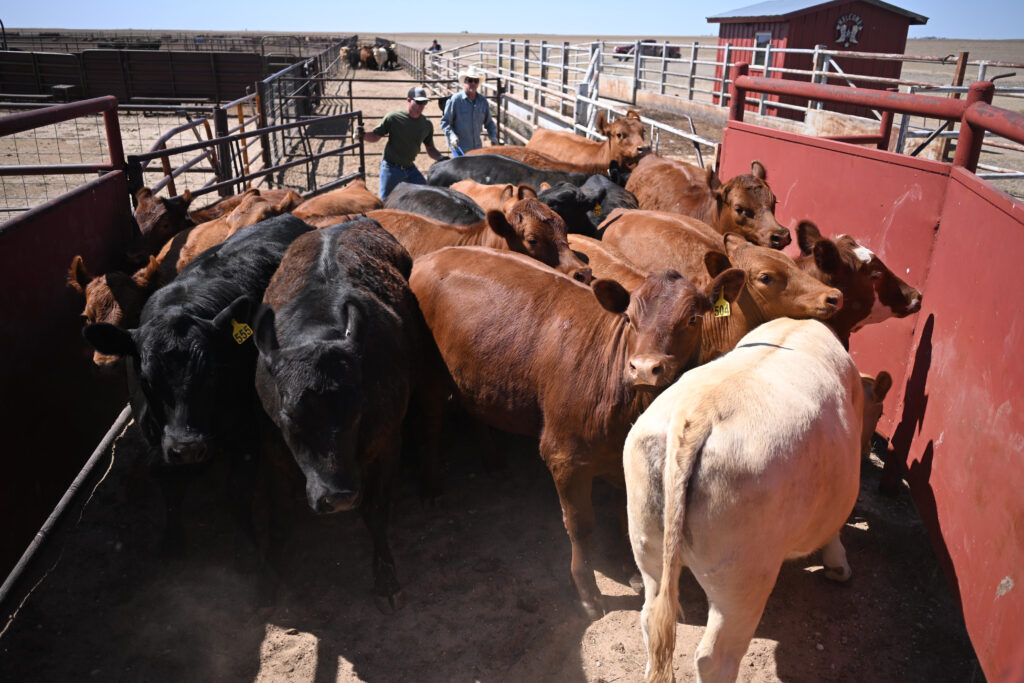
Despite the increasing financial stress, several farmers who spoke to The Post said that the administration has earned credit for some of its efforts to help the industry and that some of their frustrations predate the Trump presidency.
The administration won plaudits from farmers for closing the border with Mexico to cattle in an attempt to curb the spread of the screwworm. The border closure has also helped sustain high beef prices, helping cattle ranchers stay profitable. Trump also negotiated a commitment from China to purchase 25 million metric tons of soybeans annually, helping expand the market for farmers reeling under reciprocal tariffs.
Republicans’ One Big Beautiful Bill, which Trump signed into law last year, provided subsidies for crop insurance and raised reference prices for crops to keep up with increased costs. The administration also introduced $12 billion in bailouts this summer to help farmers while they wait for the agricultural benefits in the One Big Beautiful Bill to go into effect later this year.
Thomsen said that he appreciates the bridge payments in the short term but that they don’t address longer-term inflation concerns. Ballooning costs mean he has to hold on to equipment longer, like his sprayer, which broke down this week from age, limiting his ability to protect his crops with herbicide.
He said he’s hedging by cutting costs where he can in case conditions change again. China could back away from its soybean promise. Inflation from the war in Iran could continue even if the peace agreement announced this week reopens the Strait of Hormuz. The screwworm could spread.
“There’s just a lot of uncertainty right now,” Thomsen said. “So you’ve just got to try to keep yourself protected as well as you can.”
Read more Commanders rookie Sonny Styles has the green dot and the green light