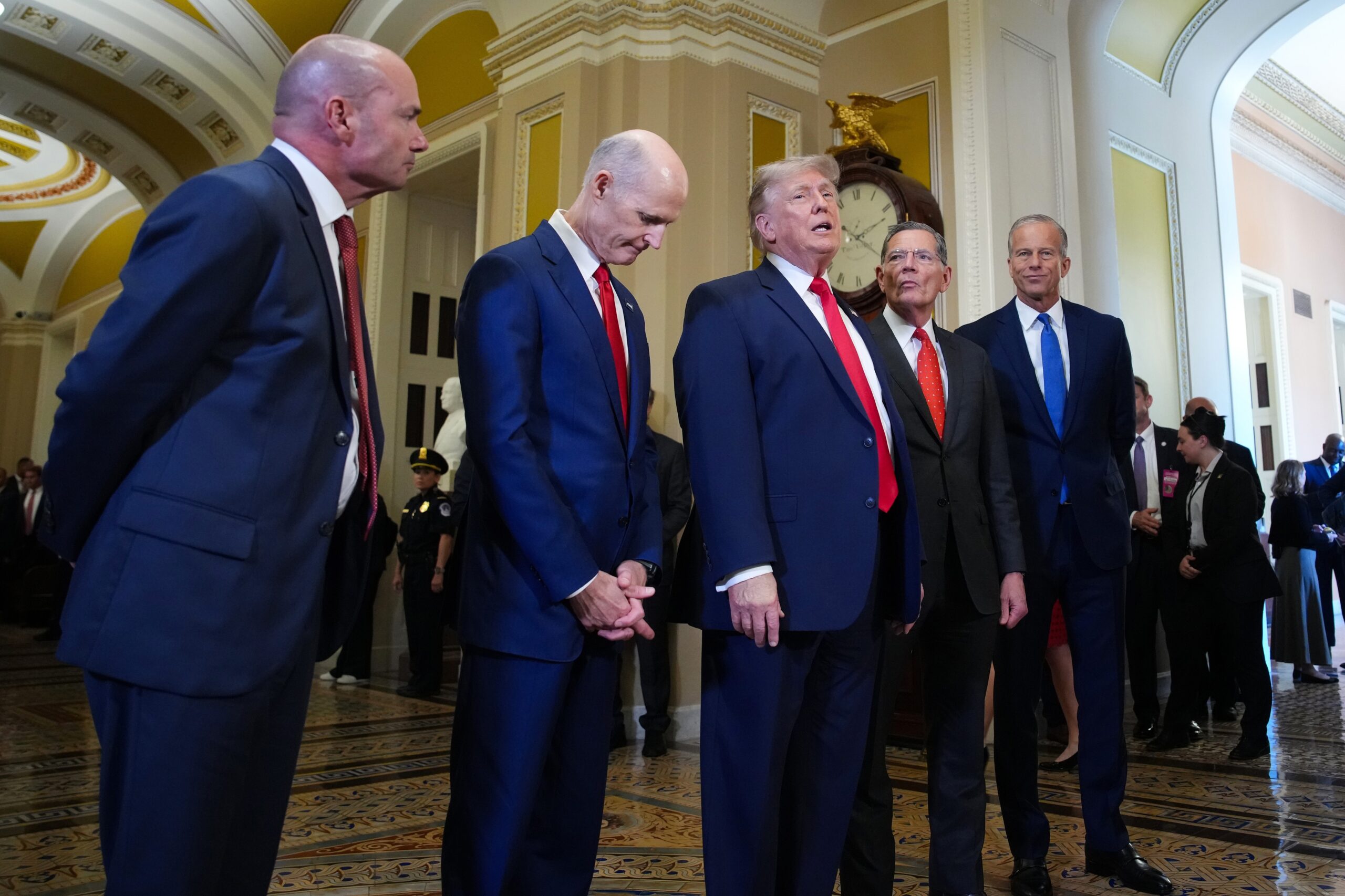
Much of the meltdown can be traced to President Donald Trump’s demand to pass voter identification legislation.
Read more Nationals to wait as long as possible on trade decisions as deadline nears
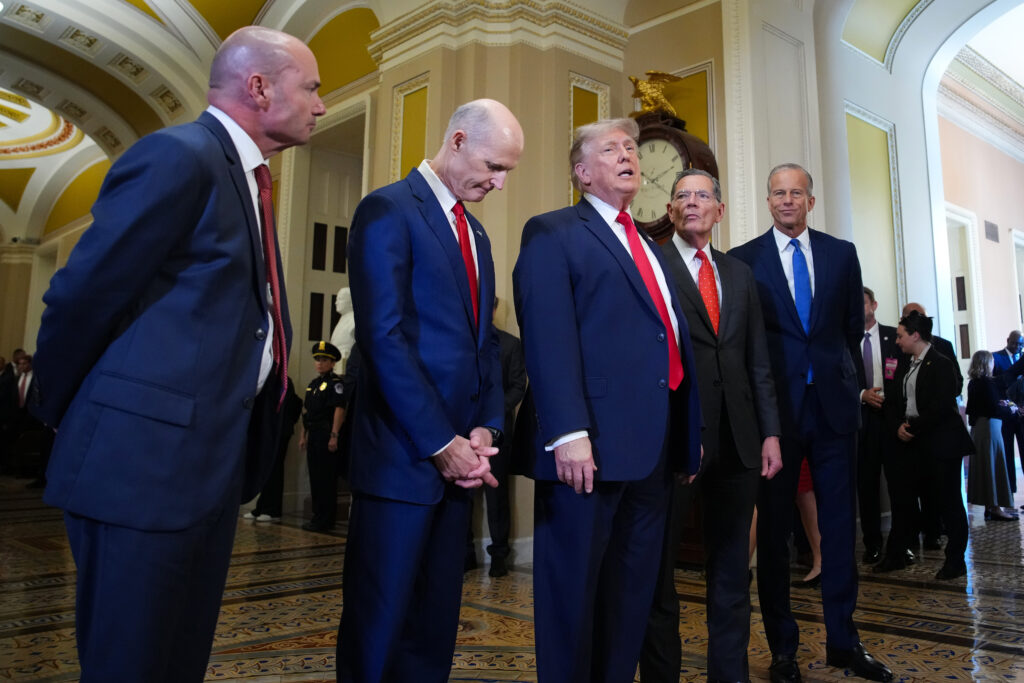
Republicans in Congress left Washington for the Fourth of July holiday in a slump.
A conservative rebellion so paralyzed the House this week that Speaker Mike Johnson (R-Louisiana) sent lawmakers home early without action on a must-pass defense policy bill. Senate Republicans departed last week after a contentious meeting with President Donald Trump in which he implored them to adopt voting restrictions that they have said repeatedly do not have enough support to pass.
Even a hard-fought victory that Republicans were preparing to celebrate — a housing affordability bill that passed with widespread bipartisan support — is now caught up in drama as Trump is withholding his signature to gain leverage on the elections bill.
The Republican infighting, despite unified GOP control of Congress and the White House, is threatening not only Trump’s agenda, but also basic governance. Lawmakers will have little time when they return to Washington on July 13 to clear a growing backlog of bills they want to pass before the midterm elections, when Republicans are in danger of losing control of one or both chambers.
Mike Madrid, a Republican strategist who has long been critical of Trump, said the party needs “some trophy to bring home” to voters who are increasingly sour on the economy and the direction of the country, but they appear unlikely to come up with anything substantial.
“The problem is they don’t have a president who is going to cooperate on this. He just doesn’t seem to give a damn about Congress’s fate,” Madrid said. “I don’t think there’s any bill before Congress that saves the Republicans from the mess they’ve gotten themselves into.”
Much of the meltdown can be traced to Trump’s demand that Congress pass the Save America Act, the voting bill that he has argued would “guarantee the midterms” for Republicans.
The measure would require Americans to prove their citizenship when they register to vote and to show photo identification when voting. Trump has also pressed to add provisions that would bar most mail voting, prohibit transgender athletes from playing in women’s and girls’ sports, and restrict gender transition surgeries for minors.
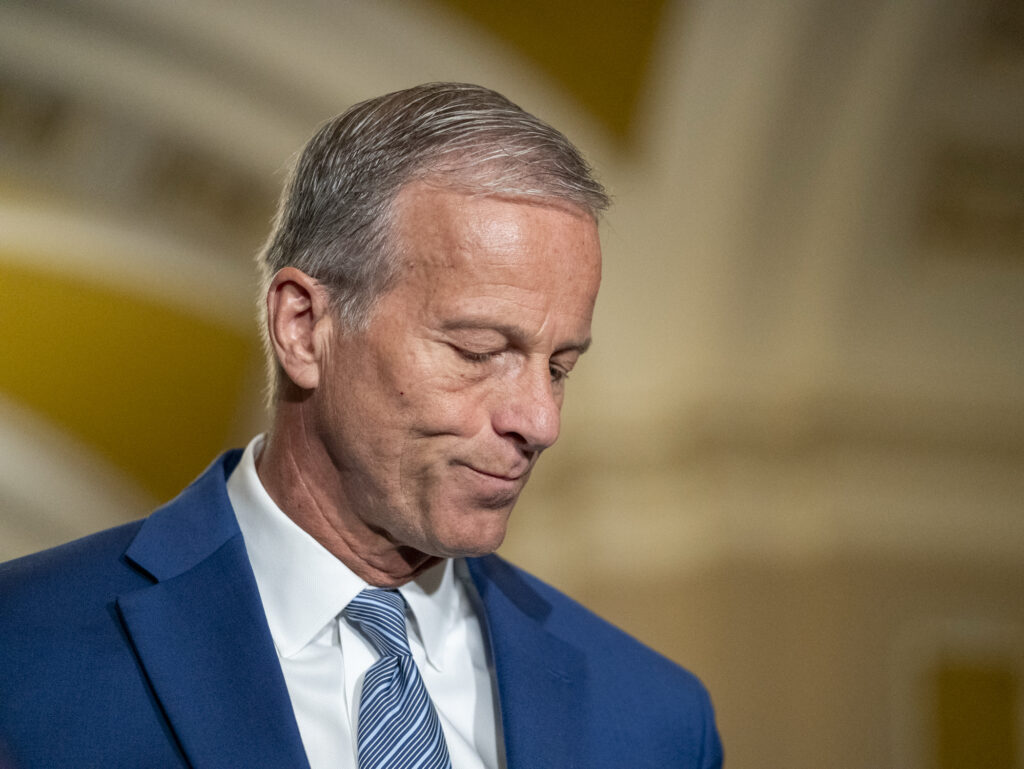
Senate Majority Leader John Thune (South Dakota) and other Republicans have said for months that the bill, a version of which passed the House, does not have enough support to pass the Senate.
Trump appears undeterred. He said this week that he will not sign the housing bill, which some Republicans are eager to run on, until Congress passes the Save America Act, though he could allow it to become law without his signature. He described the housing bill to reporters as “unimportant.”
“To me, compared to the Save America Act, just about everything is a big yawn,” Trump said.
Some Republicans in Congress have applauded Trump’s decision not to sign the housing bill as he pushes them to pass the Save America Act. Others have said they are bewildered. Trump’s aggressive advocacy for the bill has riled up the conservative base, making it harder for Republicans to enact their other priorities.
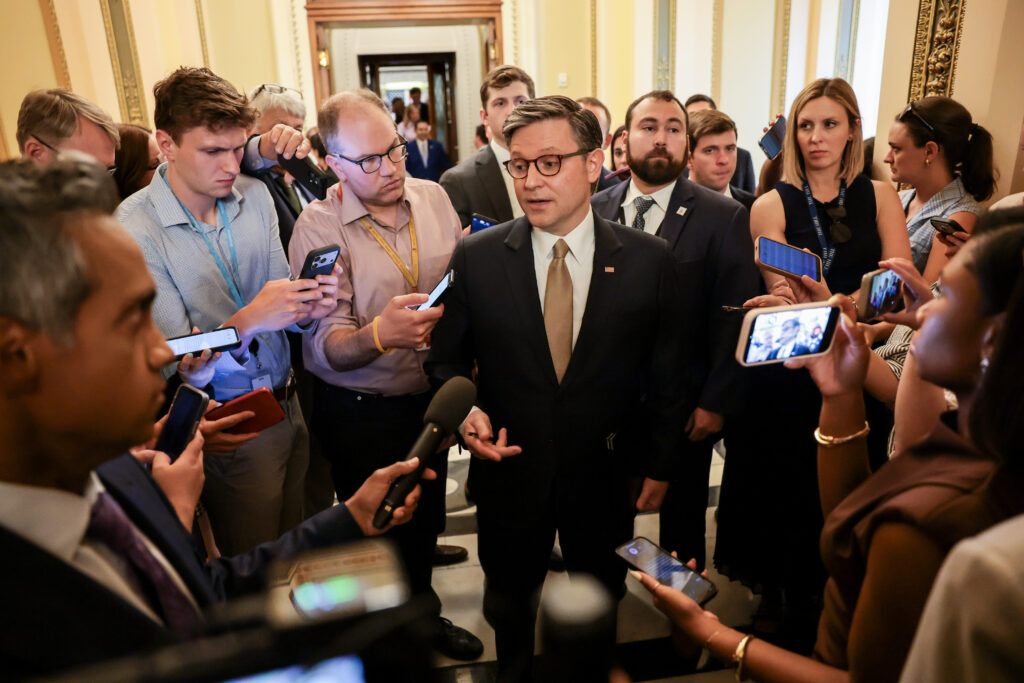
This week, a band of House Republicans led by Rep. Anna Paulina Luna (Florida) blocked the chamber from taking up the defense policy bill over her demand that it include provisions from the Save America Act. The gambit was not successful. It instead forced Johnson to cancel the vote and send lawmakers home early.
“They impeded and stopped the progress of the week. It is not helpful,” Johnson said. “We’re moving really important legislation for the people, and we don’t have time to waste because we’re coming up on an election and the end of the Congress.”
Luna signaled Thursday that she would not back down, as she lashed out at Thune.
“Thune is intentionally trying to roll the House,” she wrote on social media. “This is why until the SAVE America Act is passed, the House MUST put it on all MUST PASS PIECES OF LEGISLATION.”
Some supporters of the Save America Act have also voiced concern that Republicans fighting Republicans does not help the party.

Sen. Ron Johnson (R-Wisconsin) said Thursday that he wants to pass the voting bill — but that Republicans need to make clear to voters that Democrats are blocking it, rather than blaming fellow Republicans.
“We need to be very careful about how we approach election integrity, what our message is there — making sure that our supporters understand it’s not Republicans that are preventing that from being passed,” Johnson told reporters. “It’s Democrats.”
Other Republicans warned that futilely pushing legislation that cannot pass will not help them in November.
Democrats have a strong shot at retaking control of the House in the midterms. They face a tougher road in the Senate, where they must flip at least four Republican-held seats, though recent polling shows Democratic candidates running competitively in the states they would need to win to take back control.
“Promising the moon and stars and yet destining Republicans for failure is a very effective way to demoralize our base and elect more Democrats in the midterms,” Sen. John Cornyn (R-Texas) wrote on social media.
Read more Riyad Mahrez retires from the Algeria national team after World Cup elimination
Abigail Jackson, a White House spokeswoman, said Trump could push for the Save America Act at the same time that he moves forward with the rest of his agenda, including lowering gas and prescription drug prices and bringing back jobs from overseas.
“The President knows how critical this issue is for the American people and he will not stop fighting until it is passed — but he can walk and chew gum at the same time,” Jackson said in a statement.
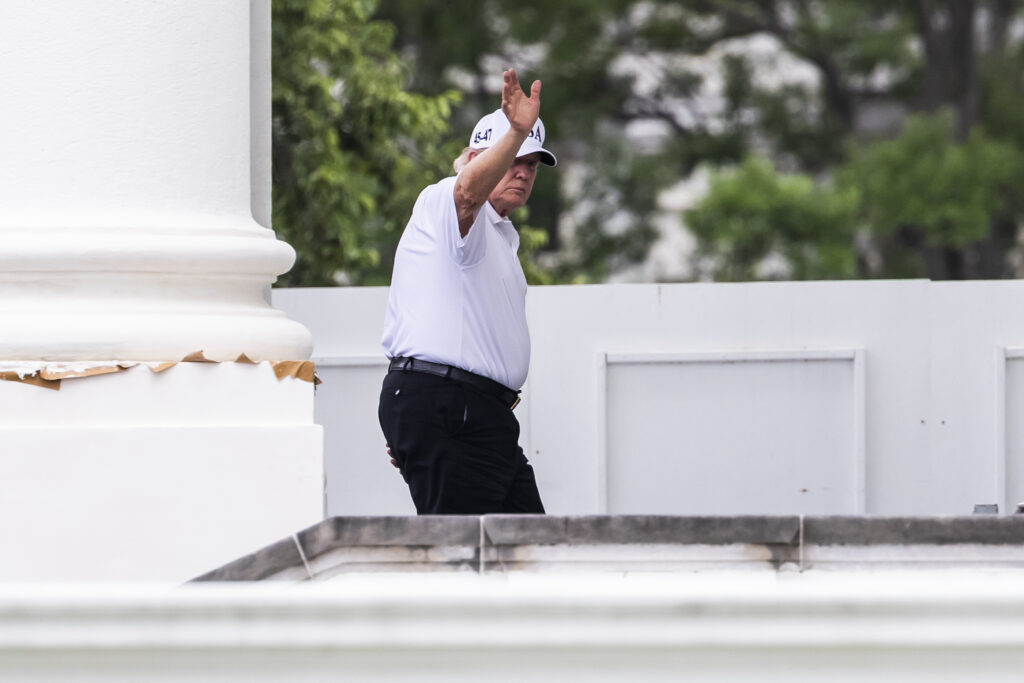
Republicans can point to some victories that their candidates are touting. They are celebrating the first anniversary this week of a massive tax and domestic policy bill, known as the One Big Beautiful Bill Act, which cut taxes on overtime wages and tips, among other achievements. The housing bill will become law automatically next week even if Trump refuses to sign it — though not if he vetoes it, which would send it back to Congress.
But Madrid, the Republican strategist, argued they will not do much for GOP candidates weighed down by weak economic indicators, including high gas prices tied to an unpopular war in Iran that the Trump administration cannot seem to bring to an end.
“There is no voter in America who is going to go, ‘Well, they passed the One Big Beautiful Bill. Let me vote for them because they’re trying their best,’” he said.
Trump’s relentless focus on the Save America Act has complicated Republicans’ efforts to pass other major legislation ahead of the midterms.
Some members want to push a legislative wish list through reconciliation, a special budget process that would circumvent the threat of a Democratic filibuster in the Senate. House Majority Leader Steve Scalise (R-Louisiana) said this week that such a bill could include affordability measures, defense spending and parts of the Save America Act.
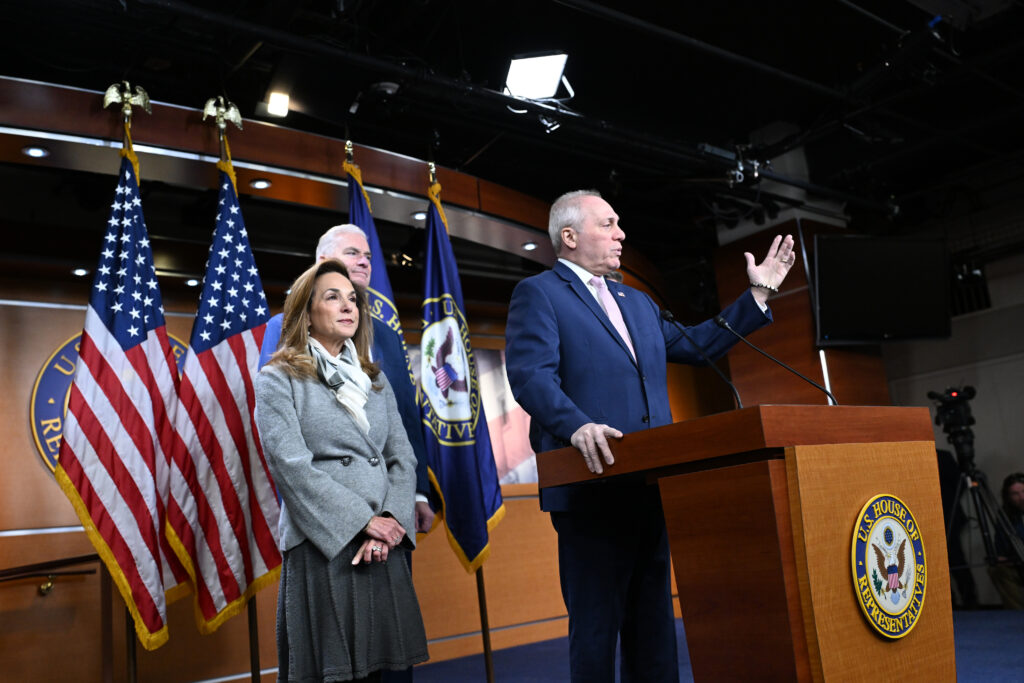
Newt Gingrich, the former Republican House speaker, said he was not sure that Republicans in Congress have enough time to pass another bill through reconciliation, but that trying to pass more legislation could help them in November even if they fail.
“It reminds the country you have a party trying to pass things and a party trying to stop things,” Gingrich said. “And then the country gets to decide.”
Republicans are struggling to agree on what they would include in a reconciliation bill, however, and they are running out of time to act. The Senate is scheduled to be in session for only seven weeks ahead of the midterms, and the House for just six weeks.
Republicans have a long to-do list during those weeks.
Trump asked Congress last week for $88 billion in additional funding for the Pentagon to help pay for the Iran war and fund other priorities, which immediately ran into Democratic opposition. The Defense Department sent top officials to Capitol Hill on Wednesday for a tense meeting with lawmakers of both parties, who asked for more information about the request.
Republicans could try to pass the money through reconciliation if Democrats refuse to vote on it, but the process would be arduous and time-consuming.
Many lawmakers in both parties are also eager to renew a surveillance law that expired last month. Trump impeded the process by naming Bill Pulte, the director of the Federal Housing Finance Agency, as acting director of national intelligence.
Democrats, who distrust Pulte and view his lack of national security experience as disqualifying, refused to renew the law as long as Pulte remains in the role.
Trump then held up the Senate’s confirmation of Jay Clayton, his nominee to become the permanent director of national intelligence, to give Pulte time in the role. Now Republicans are waiting on Trump to allow Clayton’s confirmation to move forward before they can reauthorize the surveillance law.
When the Senate returns, Republicans will also work to confirm Todd Blanche, Trump’s nominee for attorney general, consuming more valuable floor time.
Thune said the Senate could also take up other priorities, including an agricultural policy bill, a crypto regulation measure and legislation on athlete sponsorship opportunities in college sports. Passing the agriculture legislation, known as the farm bill, could help Republicans running in rural states and districts in November.
Johnson, the House speaker, told reporters that House Republicans will continue to work to pass the defense policy bill, even as he voiced frustration that a handful of his members blocked it this week. Operating with a slim 219-212 majority, he can only afford to lose a few Republicans on any given vote.
“This is life with a small margin, small majority,” Johnson said, “and we’ll work through it.”
Noah Robertson, Jarrell Dillard, Mariana Alfaro and Anna Liss-Roy contributed to this report.
Read more For two brothers on different teams at the World Cup, identity is complicated