Partisanship around the country’s big anniversary has put Democrats in a bind: They want to criticize the president without appearing unpatriotic.
Read more Belgium coach Garcia says he was not criticizing African teams with World Cup comments
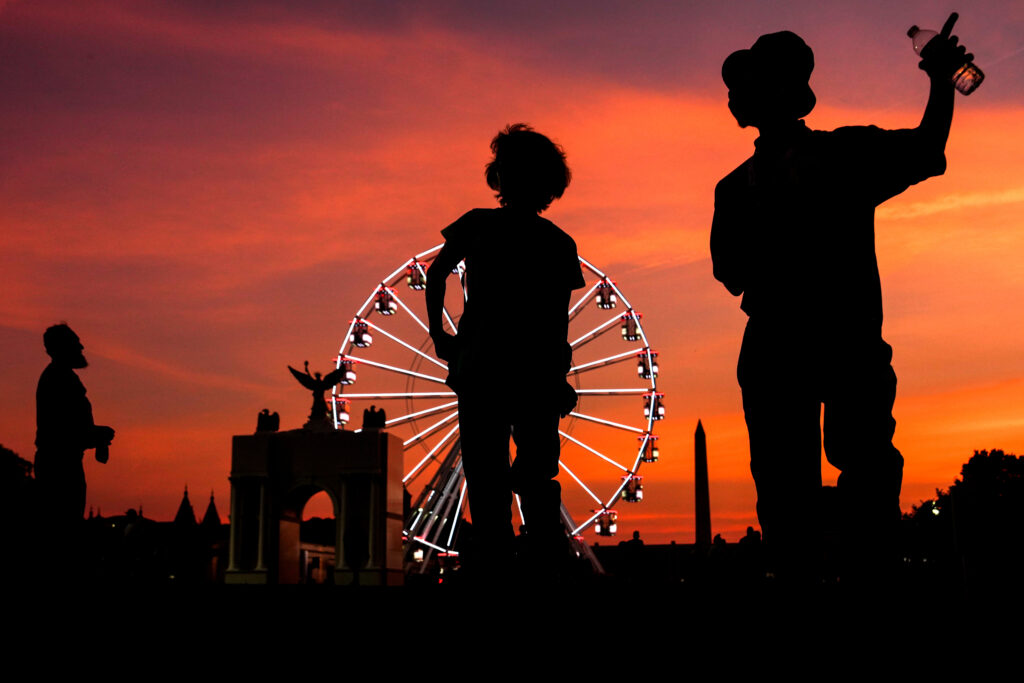
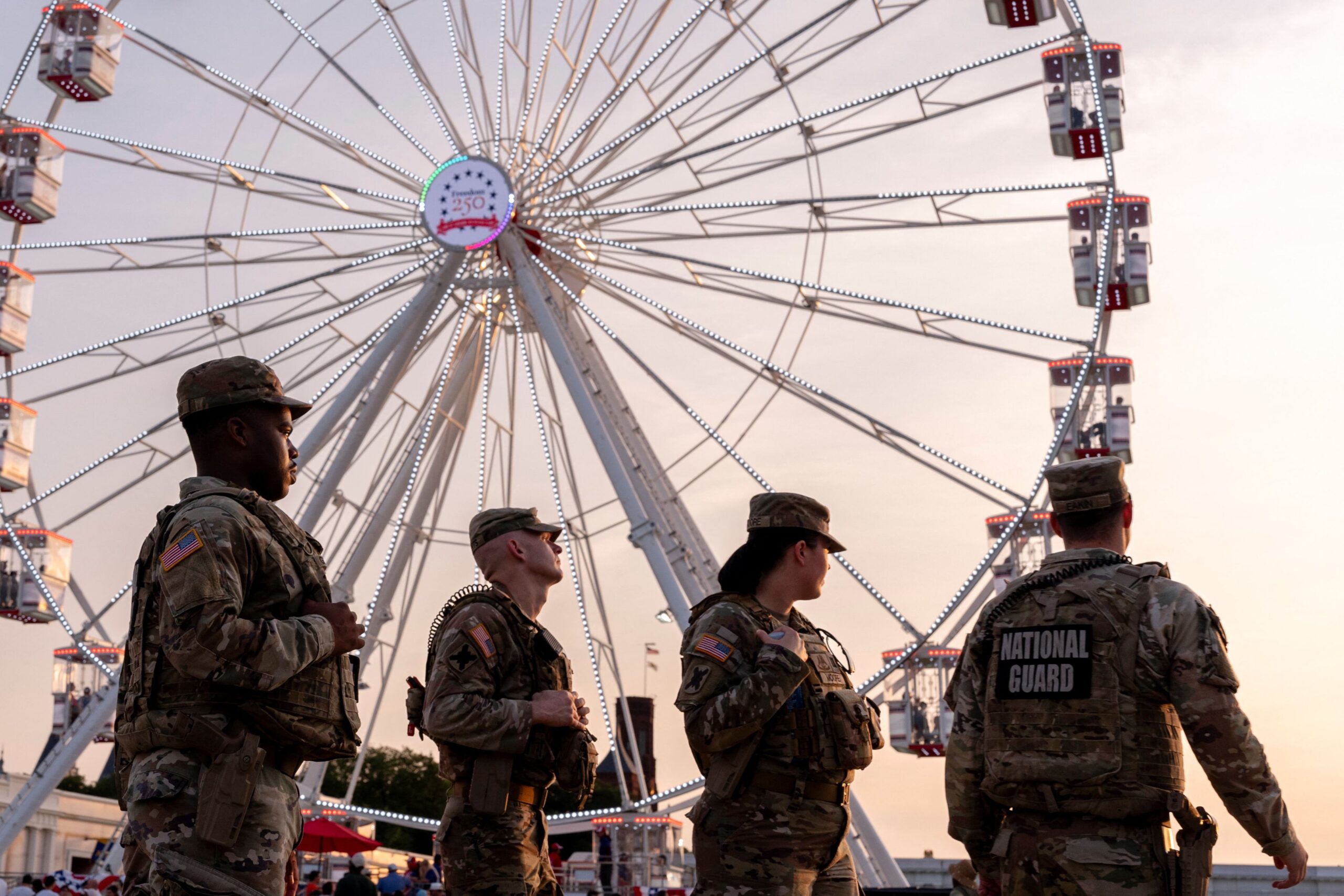
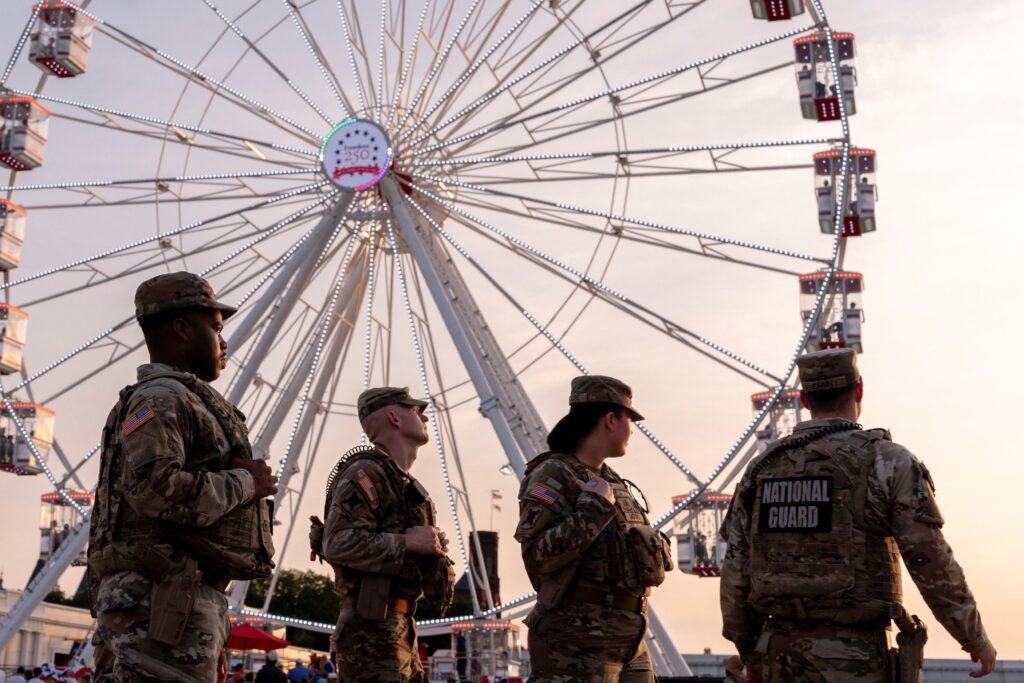
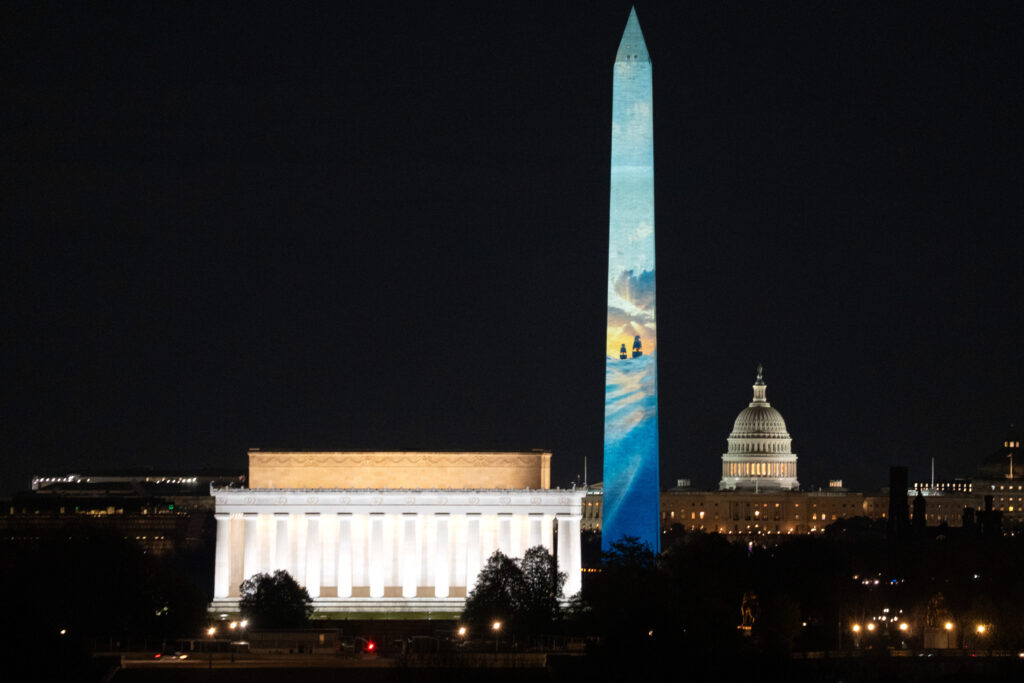
This weekend’s 250th anniversary celebrations have taken on the overtones of a partisan fight, with President Donald Trump placing himself at the center of the capital’s events by touting military displays, patriotic music and fireworks adorning the “most spectacular TRUMP RALLY of them all.”
The high-profile festivities have forced Democrats, who have long been viewed as the less overtly patriotic party, into a bind. They want to show opposition to Trump without looking like they’re unwilling to celebrate the United States.
Many Democratic leaders have responded by emphasizing state celebrations — museum exhibits, naturalization ceremonies and community service projects — and leaning into rhetoric that attempts to advance their definition of patriotism as a counterpoint to Trump’s.
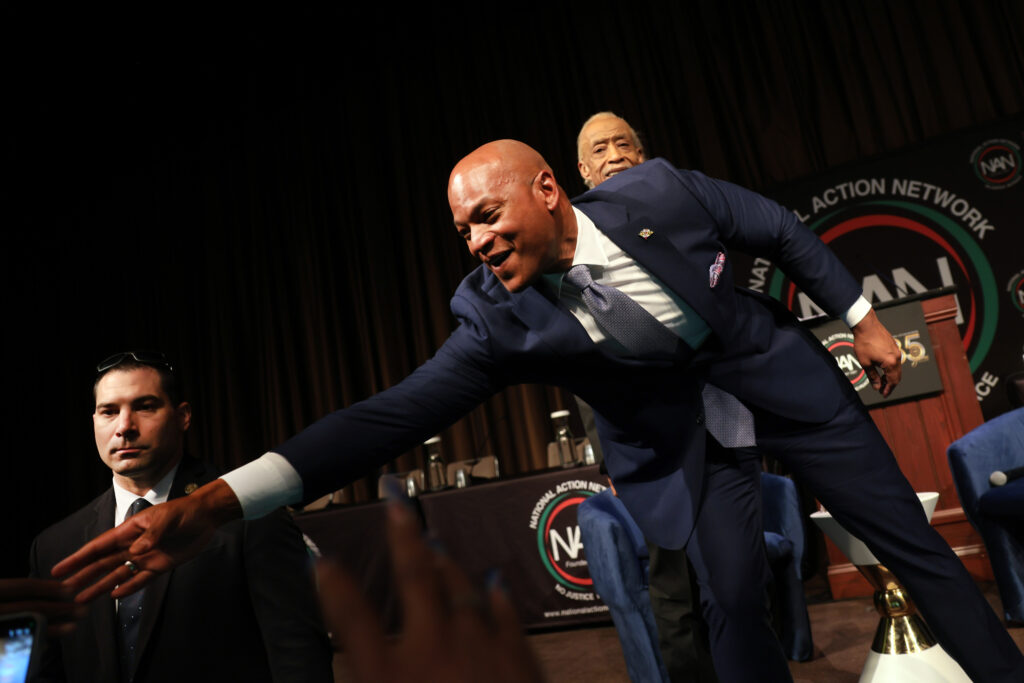
“This is a time for Democrats to stop ceding the flag, to stop ceding patriotism to another political party, because patriotism … is something that is owned by all of us,” Maryland Gov. Wes Moore (D) said in an interview.
Moore, a military veteran and potential presidential candidate, will be speaking on Saturday at Maryland’s State House in Annapolis, 30 miles from Trump’s D.C. rally. He has been trying to encourage his party to connect patriotic symbolism with deeper themes such as sacrifice, equality and helping America live up to its ideals.
But Democrats are at odds over how to define patriotism. Some focus on democratic governance in the face of what they say is Trump’s antidemocratic agenda. Others have pressed Americans to reexamine slavery and inequality, to live up to the country’s professed vision. A third path ties patriotism to an economic message that mirrors the party’s rhetoric ahead of this year’s midterm elections.
Republicans have for decades sought to claim the mantle of patriotism and national unity through associations with symbols such as the American flag, the national anthem and the military. Just 18 percent of Americans view the Democratic Party as “very patriotic,” compared with 31 percent who say that about Republicans, according to a June YouGov poll.
In the Trump era, Republicans have also cast discussions of historic injustices as unpatriotic, tossing another political grenade at what they say is Democrats’ obsession with identity politics.
Pennsylvania Gov. Josh Shapiro (D), another potential presidential contender, argues for confronting such attacks head-on.
“I don’t think it is patriotic to whitewash our history the way Donald Trump does, or to rip away people’s individual liberties and freedoms the way Donald Trump routinely does,” he said in an interview. “I choose to look at this a different way … to treat people, all people, with dignity and respect.”
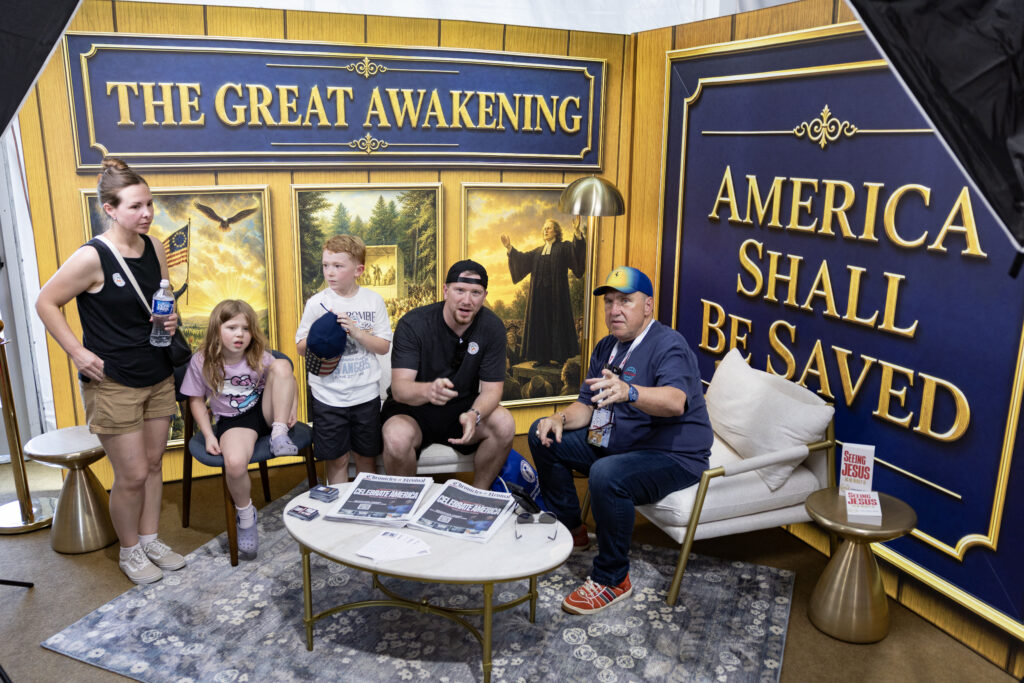
Shapiro accused Trump of politicizing the national celebration but said that as governor, he is bringing people together with Pennsylvania’s events. Shapiro declined to send a delegation to the Great American State Fair on the National Mall, citing the $700,000 cost to participate in what he called “Trump’s fair,” and adding that patriotism does not belong to the president.
“Our celebrations here will not be about any one party, will not be about any one person,” he said. “People will have a moment to take stock of our history and rededicate themselves to the work ahead.”
Yet Democrats are falling into a trap by boycotting Trump’s events, said John Brabender, a Republican strategist who worked as a media consultant for the Trump campaign.
Read more Republicans’ agenda in Congress stalls with their majorities in peril
“It would have been smarter to say, ‘Look, we might disagree with the president on a lot of things, but we still believe America is the strongest, best country in the world, and we think we should use this time to come together and share all we have in common,’” Brabender said. “Instead of saying, ‘I’m taking my ball and going home.’”
Matt Gorman, another GOP strategist, accused Democrats of leveraging patriotism in election years and then acting like sore losers when they are not in charge.
Democrats would be “beating their chest” about the celebration had Kamala Harris been elected in 2024, Gorman said. They “can’t separate their disappointment with not being in power with being proud of their country,” he added.
Democrats, though, argue that Republicans are describing a version of patriotism that no longer matches how many Americans view their country.
Patriotism should focus on upholding the Constitution and caring about the nation’s well-being, rather than Trump’s “macho, ‘we’re going to kick everybody’s ass’ kind of patriotism,” said Democratic pollster Anna Greenberg. Trump’s presidency has changed the conversation, she argued, with many Democrats now viewing patriotism through the lens of constitutional rights, due process and democratic institutions.
Voters increasingly trace patriotism to economic security and the American Dream rather than the flag and other symbols, according to Democratic strategist John Anzalone, the chief pollster for Joe Biden’s 2020 presidential campaign.
“They’re patriotic, they understand where their values derive from in terms of our country and the founding of it, but they feel that the American Dream on the financial side, and that level of patriotism, politicians have let them down on,” he said.
Rebecca Bennett, a former Navy helicopter pilot running for Congress in a swing district in New Jersey, is seizing on a similar message.
On the campaign trail, she describes her life as “a version of the American Dream” and talks about patriotism in the form of ROTC, the GI Bill and a Veterans Affairs loan that helped her family buy a home.
“When you love something, you fight for it,” said Bennett in an interview.
Republicans have used patriotism as a cudgel for decades: Richard Nixon during the Vietnam War and Ronald Reagan during the Cold War. George H.W. Bush made the flag a centerpiece of his 1988 campaign. Democrats have frequently been accused of being insufficiently patriotic, including Barack Obama over whether he chose to wear a flag pin.
Yet Democrats argue that Trump has warped the playing field by increasingly tying patriotism to personal loyalty.
“You can still love your country and want it to be more perfect, exactly as our Founding Fathers envisioned,” said Rosie Rios, appointed by Biden as the chair of America 250, a congressionally chartered initiative to mark the nation’s semiquincentennial. July Fourth “should be about common American values that unite us — like community, service and innovation.”
Read more Nationals to wait as long as possible on trade decisions as deadline nears
Scott Clement contributed to this report.