The contractor has sought to shave off more than a month of the planned timeline, requiring 24/7 work, documents show.
Read more DOGE is officially over. The debate over government cuts isn’t.
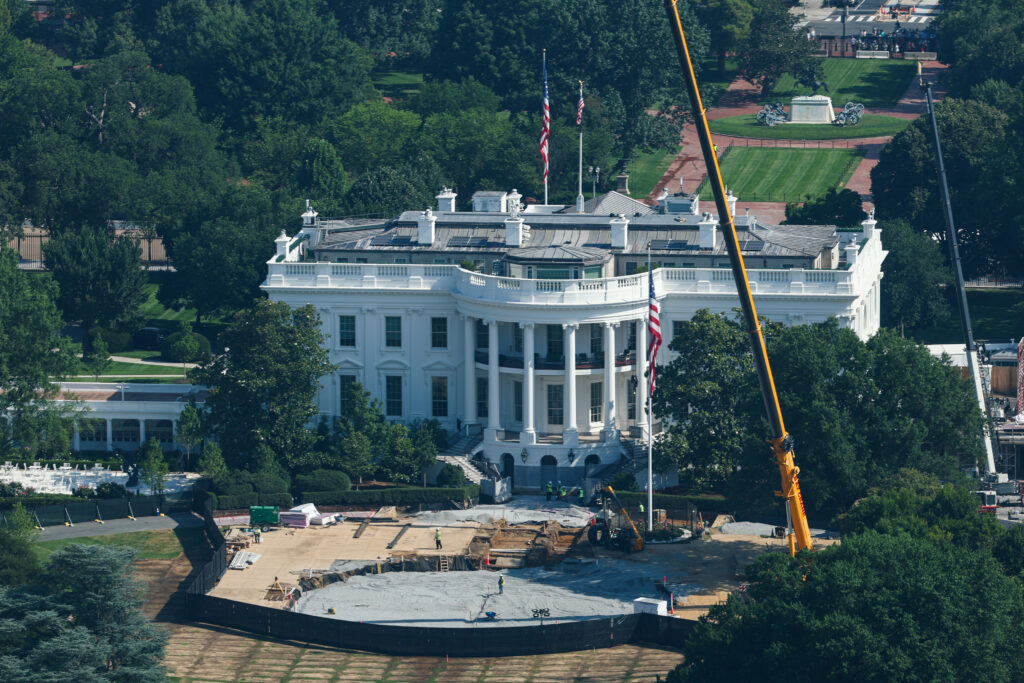
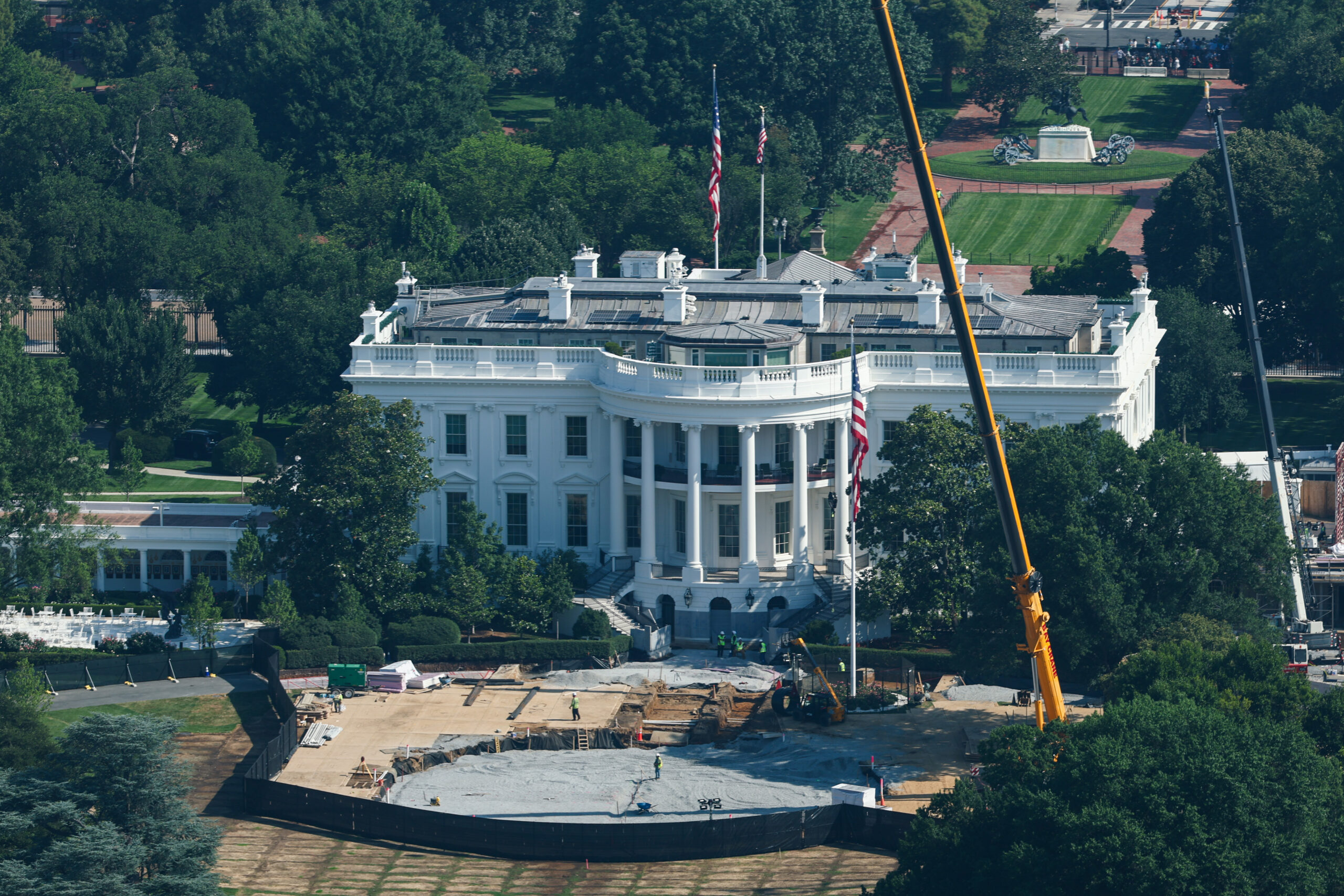
The White House sped up construction of a new helipad and related work in anticipation of an “upcoming state visit,” requiring crews to work around-the-clock and driving the cost up by $875,000, according to a contractor’s records obtained by The Washington Post.
The $13 million project also includes work on the nearby South Portico and an adjacent portion of the White House driveway, which will be retopped with white stone, the contracting records show.
Workers have been on-site since last Monday, when construction on the helipad got underway, according to three people who spoke on the condition of anonymity because they were not authorized to discuss the project publicly.
A spokesperson for Clark Construction confirmed work had begun on the project and referred questions to the White House, which declined to comment on specific details of the project.
President Donald Trump told reporters Monday morning that he had decided to build a helipad to address a long-running problem: The new generation of helicopters designated for use as Marine One — the call sign for whichever helicopter is transporting the president — runs the risk of burning the lawn.
A June 12 letter from Clark and an updated project plan that the company sent to the Trump administration capture the contractor’s efforts to shave more than a month off the planned construction timeline.
The move came after the contractor received a last-minute directive from the government to conclude work no later than Sept. 17, the documents show.
The documents obtained by The Washington Post do not name the foreign leader planning to visit the White House, but officials requested the accelerated construction timeline days after Trump invited Chinese President Xi Jinping to visit Sept. 24.
Clark’s accelerated plan “included 24-hours, 7-days per week for working hours,” the contractor’s documents show.
In the latest example of Trump’s deep involvement in efforts to reshape the White House and its grounds, the president was personally engaged in several aspects of the helipad project, from price negotiations to design minutiae, according to emails exchanged between Clark and the White House in December.
Trump offered input on how far to extend the driveway and requested adding a slight slope to the pavers to facilitate better drainage, according to emailed notes from a Dec. 19 meeting with the president.
“POTUS wants to look at the option of a curved curb for the drive,” the email noted.
On Monday, Trump told reporters at the White House that the planned helipad will have “the seal of the White House — it’s beautiful, the eagle, and it’s carved out of granite.” He said the manufacturer of the new generation of Marine One helicopters, Sikorsky, would cover the cost of what he referred to as a $5 million or $6 million helipad.
The president did not address the planned work on the South Portico or the driveway in his comments. He also did not discuss the project timeline.
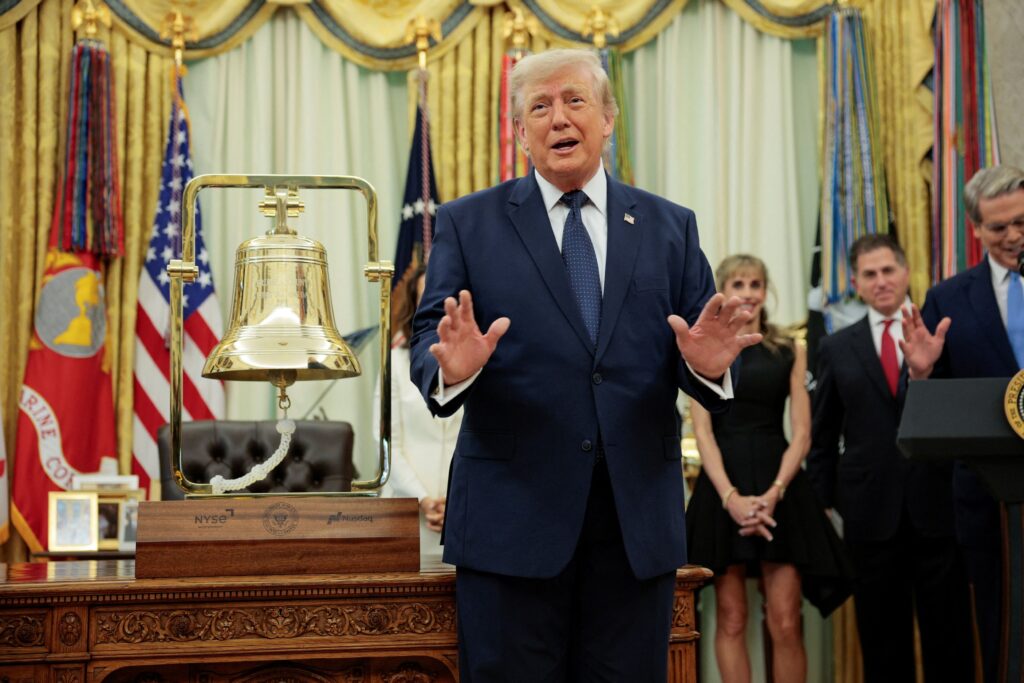
The administration’s rush to complete the helipad and driveway construction in time for the state visit is reminiscent of Trump’s push to finish changes to the West Wing, including repaving a path to the Oval Office, before King Charles III visited the White House in April.
“We had it completed for King Charles,” Trump said in the Oval Office a few days later, saying that the British monarch was impressed by the project. “He loved it, and he’s seen some nice stonework.”
The highly anticipated visit by Xi would follow Trump’s trip to Beijing this year and reflects years of diplomacy between the two global powers — including efforts to smooth over tensions after last year’s trade battle sparked by Trump’s tariffs. The White House has not announced other state visits for that time period.
Some diplomatic concerns argue for finishing the helipad and driveway project quickly: The highest-status foreign dignitaries are customarily received on the White House’s South Lawn. Trump has previously welcomed Charles; Saudi Arabia’s crown prince, Mohammed bin Salman; and other leaders there for state visits.
Read more The year in review: Influential people who have died in 2026
Current and former White House and military personnel have also said that finishing the helipad quickly would provide some national security benefits. Trump has not been able to use his customary Marine helicopters for White House departures and landings since May, when the Ultimate Fighting Championship (UFC) began construction of a large arena on the White House’s grounds. That structure covered a large part of the South Lawn, where helicopters have landed and taken off for years.
Clark, the largest general contractor in the D.C. metro area, has become Trump’s go-to for White House construction projects, some of which have been conducted using no-bid contracts. The company’s work includes overhauling Lafayette Square and building a new East Wing complex and ballroom. Clark estimated in March that the total construction costs for the ballroom project were likely to be $600 million, more than half from taxpayers, The Post previously reported.
The projects have been panned by Democrats and outside historical preservationists, who have said Trump should seek public comment before making changes to the White House, following long-established processes. Some GOP allies have said Trump should spend less time on construction and be more focused on policy matters that could boost Republicans’ chances in this fall’s midterm elections.
The White House tapped Clark for the helipad project in December under an existing contract that President Joe Biden’s administration awarded to the company in 2024 for repairs or renovations to the executive residence and its grounds.
Lockheed Martin, whose Sikorsky division builds the helicopters, plans to donate $5 million to cover part of the cost of the helipad project, a company official said last month. The company has not said if it will donate more than that, given the escalating cost of the project.
The president was involved in planning the helipad and driveway renovation from the start, including personally negotiating a $4.5 million subcontract for stonework, according to the December emails between Clark and White House.
The helipad plans show a 100-foot-wide presidential seal made of stone and a white-stone sidewalk connecting the helipad to the White House’s South Portico.
The South Portico and an adjacent portion of the driveway will also be paved with white stone, planning documents show.
The president has planned other changes to the driveway, which wends through the White House grounds and was designed by landscape architect Frederick Law Olmsted Jr. nearly a century ago. The loosely circular route would need to be adjusted to fit the length of Trump’s planned White House ballroom, according to renderings presented by Trump’s handpicked architect for the ballroom project this year.
Documents show Clark selected at least 11 subcontractors for the helipad project through a competitive bidding process, including one of its wholly owned subsidiaries. Several had previously been engaged by Clark for work on the ballroom addition.
On May 11, records show, Clark sent the White House a final construction plan detailing work on the helipad project beginning July 6 and concluding Oct. 20. The schedule, which was obtained by The Post, “included working hours from 0500-2400, Monday through Saturday,” six days a week, from 5 a.m. to midnight.
“Extended hours beyond those stated may be required to be accepted upon request and coordination,” the document noted.
One week later, on May 18, “the Government informed Clark of an upcoming state visit requiring Clark to achieve a new substantial completion date of September 17, 2026,” Clark division president Jared Oldroyd wrote in the June letter updating the construction plan.
Shaving a month off the construction timeline would require “24/7 work” and site preparations would have to begin immediately following the UFC event at the White House on June 14, according to the documents Clark shared with administration officials.
The accelerated plan noted that concrete work for the driveway and portico could be shortened from three weeks to two by “utilizing 24/7 access/working work hours.”
The site excavation team would also have to “work 24 hours per day in lieu of 19 hours per day,” contracting records show.
Twelve more workers and an additional foreman would be added to the stone fabrication and construction team to meet the new deadline, the documents show.
On June 30, with work already underway, a White House official signed paperwork authorizing the $875,000 needed to cover the cost of accelerating construction.
Read more Monaco hires Filipe Luis to give Folarin Balogun a new club coach
Dan Lamothe contributed to this report.