Democratic socialist candidates swept key primary races in New York Tuesday, accelerating their rise within the Democratic Party while more traditional center-left candidates and moderates backed by corporate interests prevailed in other contests.
Read more After clashes, Senate Republicans prepare to talk it out with Trump
Results of primaries across four states Tuesday cemented the growing influence of New York Mayor Zohran Mamdani’s brand of progressive populism while demonstrating its potential limits outside of large East Coast cities.
New York City voters nominated three left-wing U.S. House candidates endorsed by Mamdani, boosting his clout as a political kingmaker and ousting two incumbents in the process. Comparatively moderate Democrats prevailed in other primaries, including in Maryland and Utah.
Artificial intelligence, cryptocurrency and pro-Israel groups also figured heavily in Tuesday’s contests.
Here are five takeaways from Tuesday night’s primaries in New York, Maryland and Utah, and runoff in South Carolina.
The biggest winner of the night in New York was arguably someone not on the ballot: Mamdani.
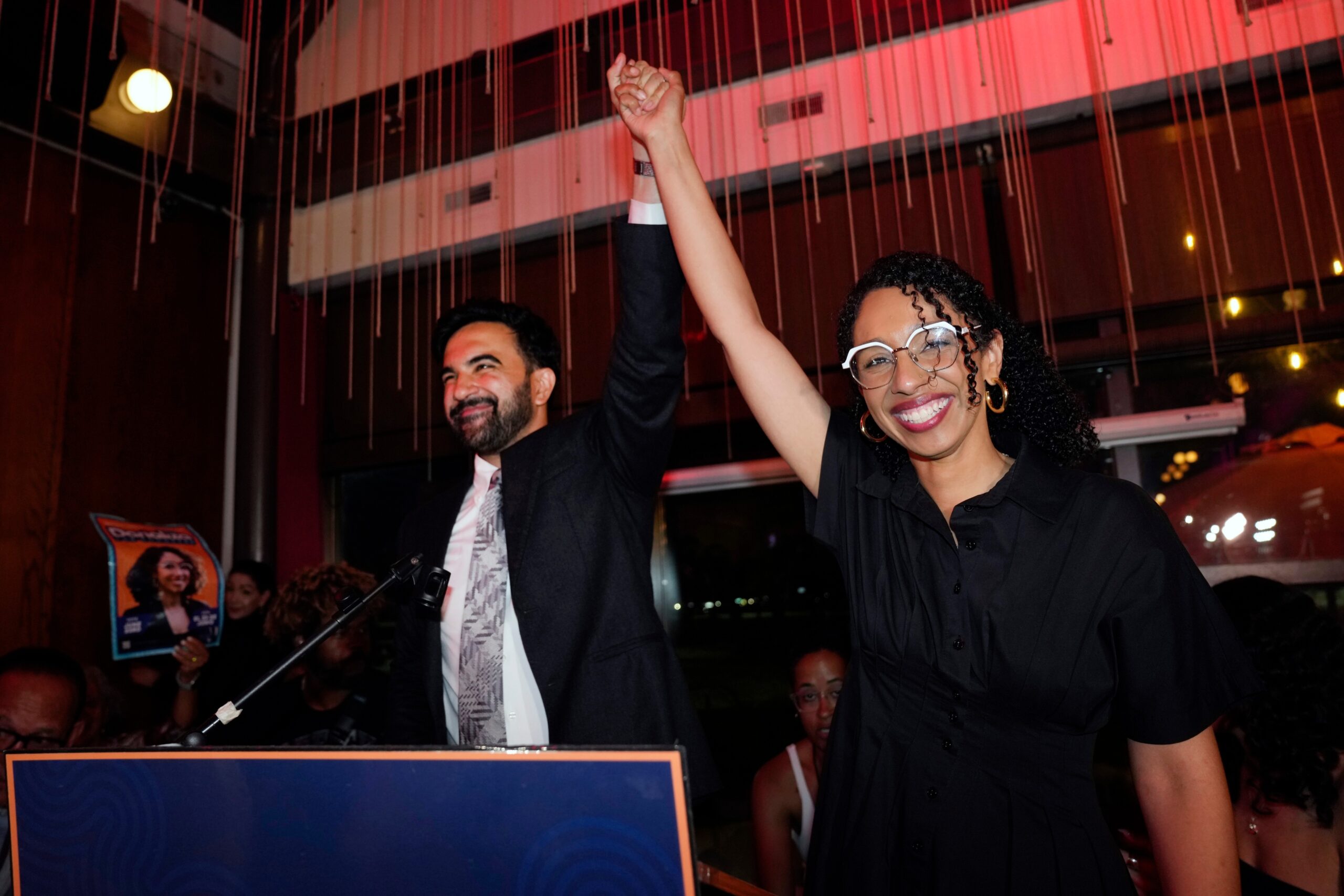
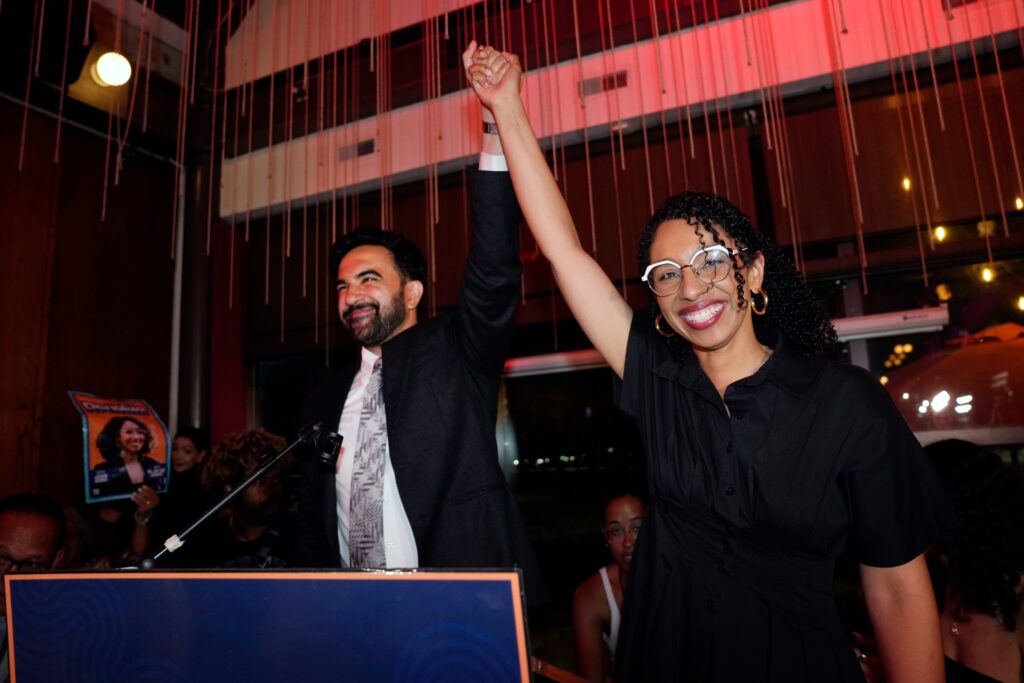
Less than six months into his term as mayor, Mamdani put his political capital on the line by endorsing three insurgent candidates over two sitting members of Congress and a retiring incumbent’s chosen successor. All three of his picks won, in a signal of strength for Mamdani’s political brand and the democratic socialist movement that powered his rise to City Hall.
The Democratic Socialists of America formally endorsed two of Mamdani’s choices: activist and PhD student Darializa Avila Chevalier, who beat Rep. Adriano Espaillat, and state Assembly member Claire Valdez, who was nominated to succeed retiring Rep. Nydia M. Velázquez. Brad Lander, Mamdani’s third pick, was not officially backed by the group but received significant support from its members and allied organizations on his path to unseating Rep. Dan Goldman.
The group has seen major momentum recently with a win in the D.C. mayor’s race earlier this month. A congressional race in Denver next week will test DSA appeal outside an East Coast city as Melat Kiros challenges Rep. Diana DeGette (D-Colorado).
In New York, DSA-backed challengers had also ousted at least three more moderate members of the state Assembly.
At an election-night watch party, Mamdani said the victories for Valdez and those downballot candidates represented a sequel to his own primary win.
“A year ago was not the end of a political movement,” he told the crowd at a watch party. “It was the beginning.”
The Democratic Party’s old guard came out on top in New York’s 12th Congressional District. State Assembly member Micah Lasher, a longtime fixture of the city’s Democratic Party, defeated a star-studded cast to succeed retiring Rep. Jerry Nadler.
Nadler, a 17-term incumbent, had endorsed Lasher to represent the rich and highly educated district that includes much of Midtown Manhattan and the Upper East and Upper West sides. Lasher also had the support of Gov. Kathy Hochul and former mayor Mike Bloomberg, who invested millions of dollars in a super PAC to support Lasher. Mamdani, who lives and votes in the district, stayed neutral in the race.
The runner-up in the race, Assembly member Alex Bores, unsuccessfully tried to distinguish himself from Lasher by calling him an establishment pick.
The race drew national attention for the high-profile runs of Jack Schlossberg, grandson of President John F. Kennedy, and George Conway, the former Republican who was previously married to former Trump adviser Kellyanne Conway.
Read more Capitals complete search for high-end winger with trade for Jordan Kyrou
Heavy spending by groups aligned with the cryptocurrency industry, AI companies and the polarizing American Israel Public Affairs Committee helped define several of Tuesday’s contests.
As their preferred candidates won, some of those special interests claimed victory too. Maryland Democrat Adrian Boafo, for example, benefited from more than $5 million in super PAC spending connected to the crypto organization Fairshake.
“We went big and we went early,” Fairshake spokesperson Geoff Vetter said. “We did our part to move Adrian Boafo from fifth place to the halls of Congress. He is poised to be a leader in the largest pro-crypto Congress in history.”
Boafo, the preferred successor of retiring former majority leader Rep. Steny H. Hoyer, was also boosted by another $5 million from an AIPAC-aligned super PAC.
Independent expenditures from crypto money in Maryland also boosted Rep. April McClain Delaney (D) as she fended off a comeback bid by former congressman David Trone, the co-founder of national liquor retailer Total Wine & More who spent $25 million of his own money trying to oust her.
In a Utah district that Democrats are poised to flip because of court-ordered redistricting, AI-related groups spent $400,000 trying to elevate former congressman Ben McAdams from a field of more liberal challengers. McAdams, who was also a former Salt Lake City mayor, won.
AI companies also pumped millions into the New York House race between Lasher and Bores, who worked on a state law regulating the budding industry.
Super PACs funded by investors in AI firm OpenAI opposed Bores, while groups affiliated with the AI company Anthropic, which generally favors more regulation, supported Bores. (The Washington Post has a content partnership with OpenAI.)
In his victory speech, Lasher, who also supported the state regulations, told the companies that took an unusual interest in the seat that he would not be taking cues from them.
Technically, President Donald Trump endorsed the runoff winner in the Republican race for governor, South Carolina Attorney General Alan Wilson. But that’s only because he endorsed both candidates in the race.
Trump only endorsed him over the weekend after his first pick, Lt. Gov. Pamela Evette, faced a high likelihood of losing. His last-minute switch spared him the embarrassment of three preferred candidates in governors’ primaries losing in one month, following defeats in Iowa and Georgia.
Before Trump’s endorsement, conservative activists and state GOP leaders lined up behind Wilson despite Trump preferring his opponent.
Trump shifted his endorsements in the face of similar pushback from conservative activists before. In Texas, news that Trump intended to endorse the reelection bid of Sen. John Cornyn (R) angered his MAGA base there and beyond. Trump ultimately decided not to endorse Cornyn, eventually backing Cornyn’s MAGA-friendly GOP challenger, Attorney General Ken Paxton.
Maryland Senate President Bill Ferguson was one of the few Democrats to torpedo his party’s redistricting efforts, drawing the most competitive primary challenge of his career. But he survived the challenge.
Ferguson refused to entertain new districts that would oust Maryland’s lone Republican House member, Andy Harris, arguing the move was legally questionable and could backfire in the courts. During the campaign, Ferguson changed course and said he would consider redistricting after the primaries, too late for the 2026 election.
Read more Wizards select BYU star AJ Dybantsa with top pick in NBA draft