A sitting House member and a sitting senator both lost key races in the state.
Democrats in Colorado rode a backlash against Washington to victory Tuesday night, as a surge of primary voters picked candidates without ties to Congress.
Read more How a tiny Argentine town shaped the U.S. men’s World Cup coach
Colorado’s Democratic primary had been closely watched to see whether the wave of democratic socialist victories in New York last week would travel west — out of coastal, urban terrain and into more politically diverse stretches of the country.
One key House race proved the theory true: lawyer and democratic socialist Melat Kiros, 29, ousted Rep. Diana DeGette, a liberal, 30-year incumbent from Denver.
And in the primary race for governor, ties to D.C. also became too toxic to overcome.
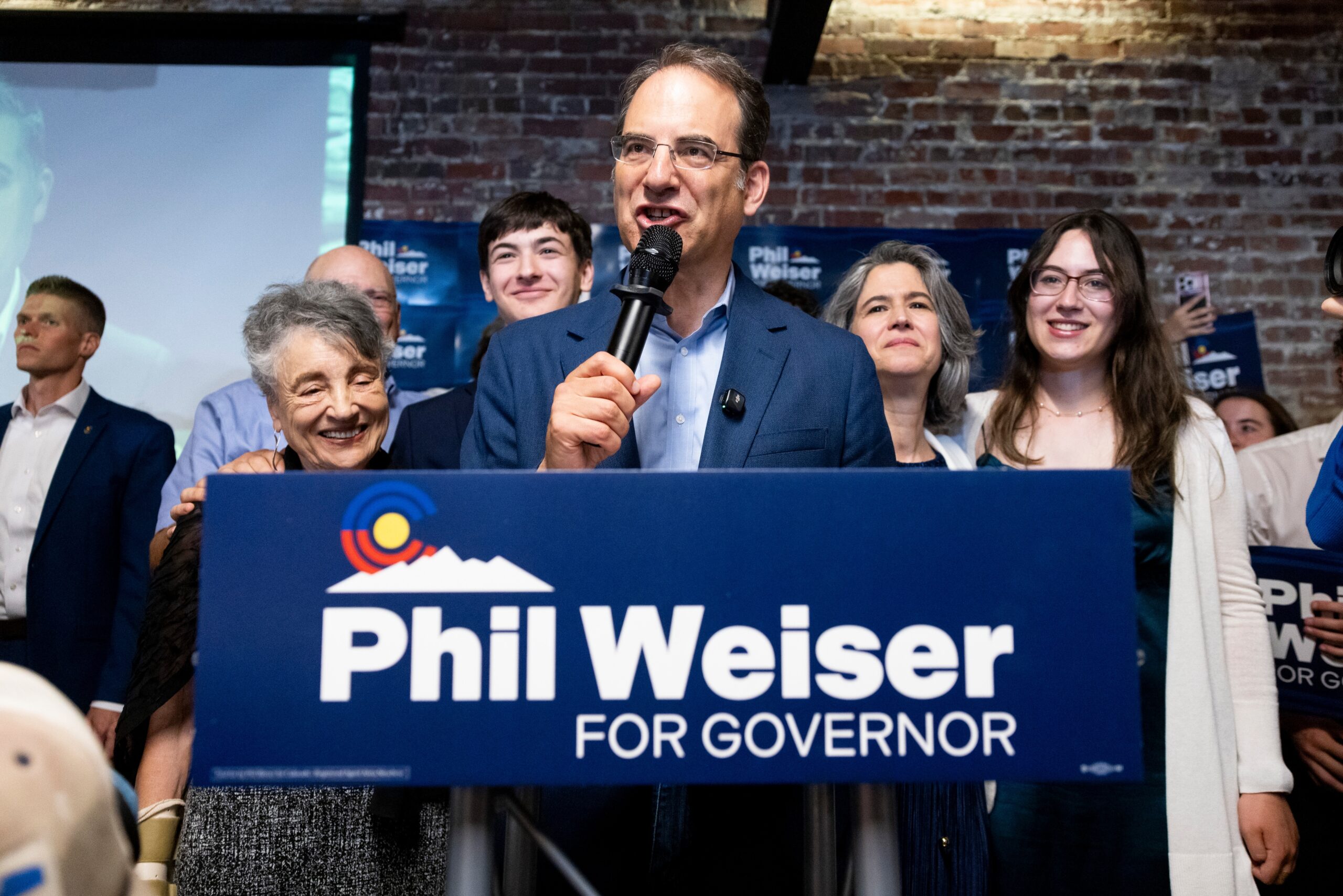
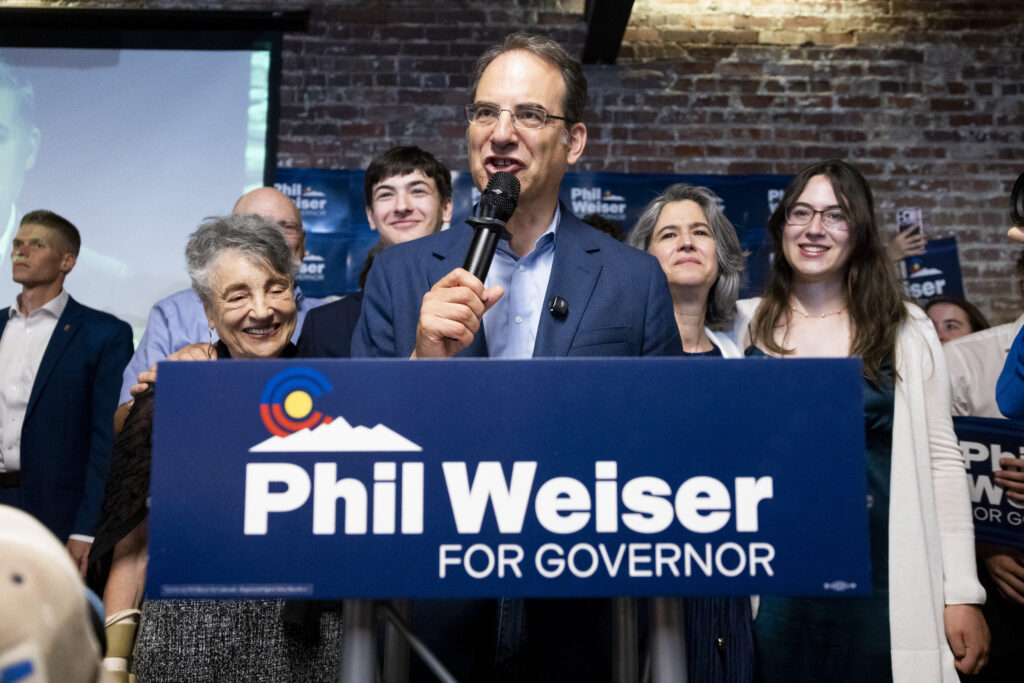
Colorado Attorney General Phill Weiser decisively won the Democratic primary race over U.S. Sen. Michael Bennet, a three-term incumbent who once held a double-digit lead in polling.
Here are some takeaways from primary night in Colorado, a once-purple state that saw a surge of Democratic ballots this year.
In a campaign built on who would best fight President Donald Trump, Bennet’s early advantage evaporated as Weiser argued the lawsuits he filed against the administration made him a better antagonist than an 18-year creature of Congress.
During his second term, the president has moved the U.S. Space Command headquarters out of the state and shut down Colorado’s globally recognized climate research center, among other moves that challengers argued D.C.-based politicians did not do enough to stop.
Bennet is the first sitting senator to lose a gubernatorial primary in 15 years, a loss underwritten by a nearly $1 million personal loan to his campaign and almost twice as much spending on TV ads compared to Weiser.
Weiser tweaked Bennet for voting to confirm eight of Trump’s Cabinet members. Bennet stood by his votes, except for the one to confirm Energy Secretary Chris Wright. He argued his support was necessary to help the state secure federal resources.
Colorado primary voters ultimately decided to leave Bennet in D.C., where he has another two years in his Senate term.
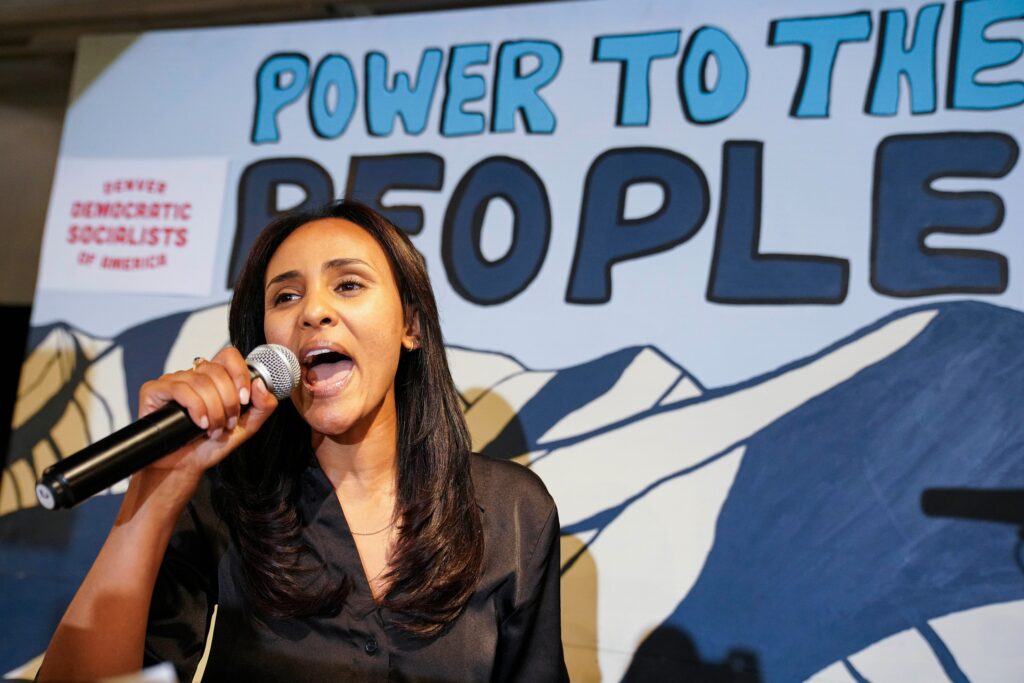
Kiros’s victory fuels nationwide exuberance of democratic socialists trying to pull the Democratic Party closer to their brand of economic populism and opposition to Israel.
After three candidates endorsed by New York City Mayor Zohran Mandami won their congressional primaries in New York last week, establishment Democrats felt angst. Democratic socialists looked to Colorado, and the money followed.
“Today, the East Coast, next week the Mountain West,” the Democratic Socialists of America posted on X the night of those NYC victories, along with a photo of Kiros and entreaties to help phone bank and “elect another socialist to Congress.” Sen. Bernie Sanders (I-Vermont) had endorsed her a week earlier.
Kiros, a first-time candidate, beat Colorado’s most veteran member of Congress, a longtime progressive who supports Medicare-for-all and other causes dear to the left.
Read more Mariners have big sixth inning to back Woo in an 8-3 victory over the Angels
On the campaign trail, Kiros argued that DeGette had become part of the party’s out-of-touch establishment and accepted corporate donations while not doing enough to support the working class. A lawyer and PhD student, Kiros moved back to Colorado from New York after she was fired in 2023 for writing and refusing to take down an anti-Israel letter.
Buoyed by her savvy social media campaign, national groups flooded the race with cash in the closing weeks, tapping into the electorate’s growing interest in candidates vowing to upend the political system they seek to join. Establishment groups responded with cash to boost DeGette.
Outside spending for both candidates exceeded $3.1 million.
Kiros was not born when DeGette, 68, entered Congress in 1997, and her primary victory in a deeply blue district centered in Denver all but assures she’ll join the small caucus of Gen Z members of the House next year.
In Colorado’s most competitive House district, the winner shifted positions away from those endorsed by democratic socialists — even as he remained the most liberal candidate in the field.
Manny Rutinel, a 31-year-old first-term state lawmaker, moderated his progressive views as he battled through a three-way primary race, finishing well ahead of his closest challenger, Shannon Bird.
The district, held by Republican Rep. Gabe Evans, stretches from the Denver suburbs north through ranches and farmland and is expected to be one of the country’s most expensive general election races this fall.
Rutinel was among the most progressive members of the Colorado state legislature, but he shifted on enough positions during his campaign that the Denver chapter of the democratic socialist party declined to endorse him. An editor’s note on the DSA’s voting guide added: “Many of our members are concerned that even a Neutral vote is too supportive of this candidate.”
A Yale-educated lawyer who also worked as an economist for the Army Corps of Engineers, Rutinel declined to support Medicare-for-all, proposing a strong public option instead. He also stopped supporting a fracking ban and ending student debt.
The surge in Colorado’s Democratic turnout fueled the party’s optimism that losing in court over redistricting won’t matter too much in the end.
Democratic groups in the state had been planning in recent weeks an effort to redraw their maps ahead of the 2028 election in hopes of countering a string of Republican-run states that gerrymandered to favor the GOP in recent months.
Currently the state’s delegation is split 4-4 under boundaries drawn by an independent redistricting commission. But Colorado has trended blue for years amid a population explosion, and Democrats believed they could add as many as three seats.
Three ballot measures proposed by a Democratic-aligned group, Coloradans for a Level Playing Field, would have temporarily suspended the independent redistricting commission and adopt new maps for the 2028 elections. The Colorado Supreme Court ruled Monday that they were unconstitutional because of how they were structured.
But high turnout among Democrats in Tuesday’s primary has Democrats believing they can gain one or more seats in November, two years earlier than they had originally hoped.
Read more Harvard? Please. This is Matt Freese’s biggest test yet.